
Is It Time to Downsize Your Home?
Talk to a local real estate specialist who understands both the emotional and practical side of this transition.
No obligation — and you don't need to be ready to sell to find this useful.

A focused conversation, not a commitment
Many people put off this conversation because they assume it will feel like pressure. It won't.
This is a focused conversation with a specialist who works specifically with people navigating downsizing — not a pitch, not a push, and not a reason to commit to anything you're not ready for.
You'll talk through where you are, what matters most to you, and what it would help to understand better. That's it.
What you'll walk away with
Leave the conversation more prepared — whatever you decide
A clearer sense of your timeline
Most people find that talking through the stages of downsizing helps them understand where they actually are — and how much time they realistically have.
An honest picture of your home's position
Understanding what your home might be worth, and what that means for your next chapter, is one of the most grounding things you can do — even if selling is still a year or two away.
Questions answered that you didn't know to ask
The specialists we connect people with work exclusively in this space. They've heard every version of this conversation. You don't need to come prepared.
The ability to decide nothing — and still feel more prepared
This conversation doesn't require a next step. Many people find it useful simply to know what their options are.
You don't need to have this figured out
Many people who reach out aren't sure they're ready. That's exactly who this conversation is designed for.
You currently own your home
You're thinking about what comes next — even if that's still vague.
You've lived there 10 years or more
Long-term homeowners often carry more complexity — emotionally and logistically — than they expect.
Selling is within your 12-month horizon
If you're getting closer to a decision, this conversation will help you sequence things correctly.
You want planning, not pressure
You'd rather understand your position before committing.
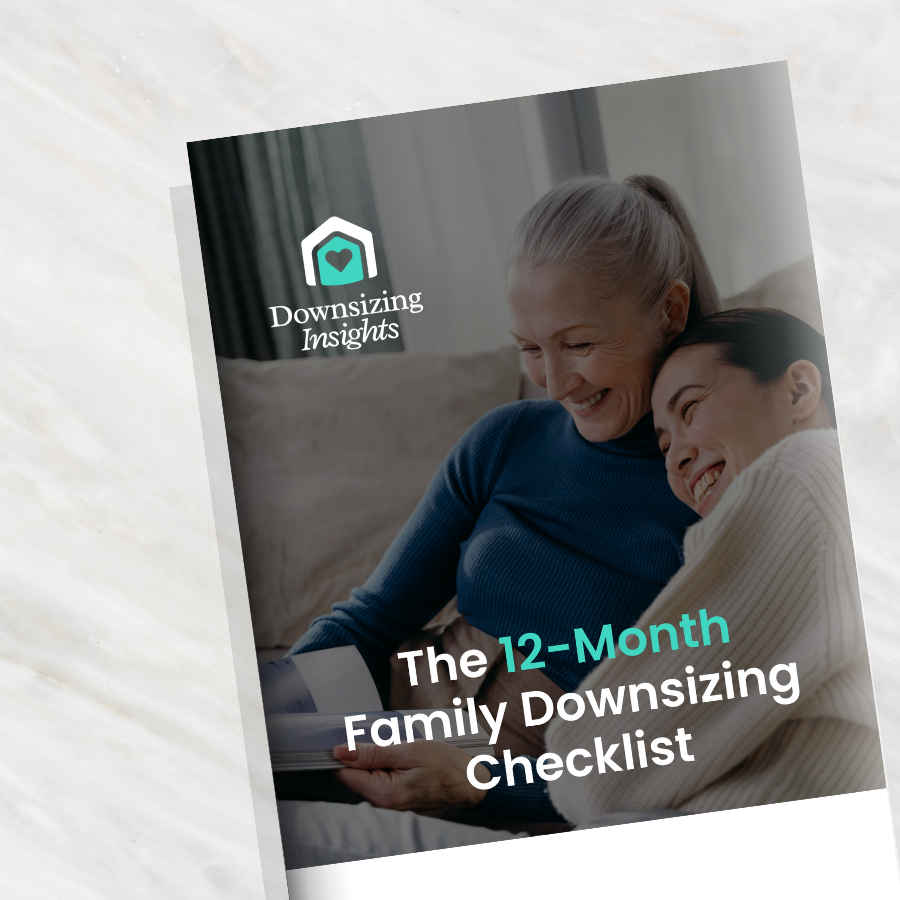
If you're more than 12 months away, start with the Downsizing Checklist.

Specialists who understand downsizing specifically
Not every real estate professional understands what downsizing actually involves. The specialists we connect people with do.
They've worked with homeowners at every stage of this transition — people who are ready to move, people who are years away, and people who aren't sure. They understand that this isn't just a transaction. It's a significant life change, and it deserves to be treated that way.
They understand the full picture
Beyond pricing and timelines, they understand the emotional weight of leaving a long-term home, the complexity of family involvement, and the importance of sequencing decisions in the right order.
They respect your pace
There is no pressure to list, no urgency manufactured to move you faster, and no expectation that you'll be ready by a certain date. The conversation moves at your pace.
Many of the specialists in our network hold the SRES® designation — Seniors Real Estate Specialist — a credential specifically focused on the needs of homeowners navigating major life transitions.
The real risk isn't price. It's poor sequencing.
Most people approaching downsizing focus on what their home is worth. That's understandable — but it's rarely where things go wrong.
What tends to create the most stress, and the most regret, is making decisions in the wrong order.
Selling before knowing where you're going. Moving before the emotional weight of leaving has been acknowledged. Rushing a process that had more flexibility than it appeared to.
The purpose of this conversation isn't to help you sell faster. It's to help you understand the sequence — so that when you do move forward, you're doing it from a position of clarity, not reaction.
When you're ready to think it through, we're here
There's no ideal moment to start this conversation — only the moment that feels right for you. If that's now, we'll connect you with a specialist who can help you make sense of where you are and what matters next.
If it's not yet, that's completely fine. The checklist is a good place to start.