
2026 Step-by-Step Downsizing Guide for a Stress-Free Move

Introduction
Standing in a quiet house after the kids have moved out, or after decades of family life, can feel a bit like standing in a museum of your own history. Every room holds a story, every closet hides a chapter. That is why downsizing is never just about boxes and tape. It is about memories, decisions, and what the next chapter looks like.
When we created Your 2026 Step-By-Step Downsizing Guide For A Stress-Free Move, we kept all of that in mind. Many people feel torn between excitement for a simpler life and worry about where to start, what to keep, and how their body and heart will handle the work—feelings that are common when you realize I Need to Move to a smaller space. The idea of sorting through years of belongings can feel heavy before the first drawer even opens.
We believe downsizing can feel different. With a clear plan, kind support, and a realistic timeline, this process can shift from chaos to calm. It can save money, protect energy, and even feel freeing as closets and rooms slowly move from crowded to peaceful.
As organizing expert Peter Walsh says, “Clutter is not just the stuff on your floor; it’s anything that stands between you and the life you want to be living.”
In this guide, we walk step by step from early planning through moving day and the first week in your new place. We talk about budgets, floor plans, room‑by‑room decluttering, and also the emotional side that many checklists skip. Along the way, we share how Downsizing Insights can stand beside you with personalized roadmaps, readiness assessments, and local experts who understand what you are facing. By the end, you will have a practical plan and the confidence that this move can be stress‑light and deeply supportive of the life you want next.
Key Takeaways
Start 3–6 Months Ahead: Beginning the downsizing process three to siz months before moving day gives you time for thoughtful decisions instead of rushed choices and regrets.
Save On Moving Costs: Letting go of extra items lowers moving costs, often by hundreds or even thousands of dollars, especially when fewer boxes and less furniture need to be packed and transported.
Work Room By Room: Moving through the home one space at a time, with clear categories for what stays and what leaves, keeps you from feeling overwhelmed and helps you see steady progress.
Handle Sentimental Items Gently: Sentimental belongings call for special care, and there are kind ways to keep memories through photos, stories, and small keepsakes without holding on to every object.
Pack An Essentials Box: A well‑packed essentials box turns the first night in your new home into a soft landing instead of a scramble for towels, medicine, or coffee.
Get Guided Support: Support from Downsizing Insights can give you a personalized roadmap, readiness assessments, and kind local experts so you never feel like you are doing this alone.
Why Downsizing Before Your Move Changes Everything
When we talk with empty nesters, retirees, and adult children helping parents, one theme comes up over and over. The people who downsize before they move feel calmer, spend less, and settle in faster than those who just pack everything and sort it out later. Clearing out first changes the whole move.
Fewer boxes and less furniture mean lower costs, whether you hire movers or rent a truck. A local move can run from about $1,000 to $3,000, and long‑distance moves can reach $7,000. When you take only what you truly use and love, those numbers often drop. You also save on packing materials, hours of labor, and even storage fees.
There is also a quiet emotional shift. Walking into a new home that already fits your current life brings a sense of lightness. Every item has a reason to be there. Unpacking becomes simpler because you are not asking, “Why did I bring this?” at every box. Instead, you are placing familiar, chosen things in a space that matches your needs now, whether that is a smaller condo, a retirement community, or a cozy rental near family.
Following a Downsizing Moving Guide: Simplify approach before the move is your chance to curate what comes along into this new chapter. Rather than dragging every piece of the past forward, you choose intentionally, and that choice lowers stress long after the last box is emptied.
Phase 1 Strategic Planning & Foundation (3–6 Months Before Moving)
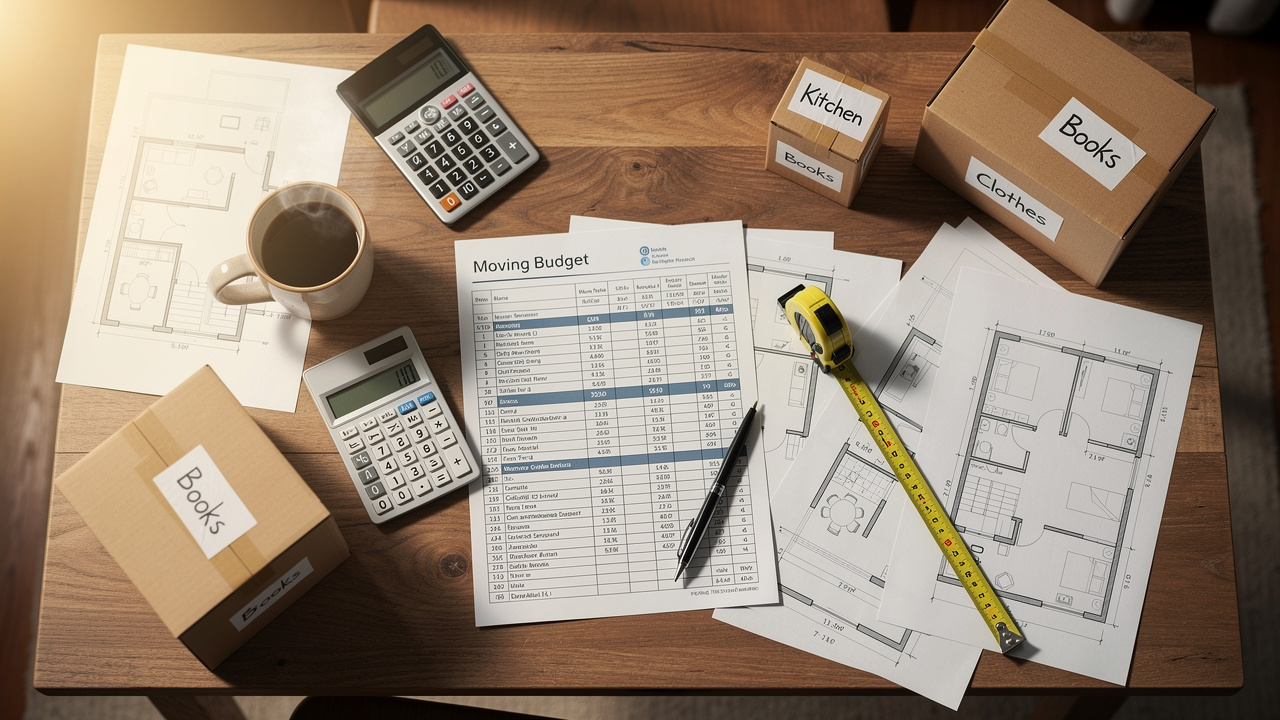
The most peaceful moves start well before the first box appears. Beginning three to six months out is not about rushing you. It is about giving you breathing room. Early planning turns a huge task into a series of clear, workable steps.
First, sketch a realistic moving budget. Include estimates for:
Movers or truck rental
Packing supplies
Possible storage
Travel costs
Help with cleaning, donations, or estate sales
Looking at typical costs for local and long‑distance moves helps you decide whether a do‑it‑yourself move makes sense or whether professional movers will protect your health, time, and belongings better.
Next, set up a simple “moving command center.” This can be a binder by your kitchen chair or a digital folder on your computer. Keep quotes, contracts, checklists, floor plans, and contact numbers all in one place. When you need to confirm a date or check what you already paid, you will know exactly where to look.
Before sorting a single drawer, measure your new space. Note room sizes, closet depth, hallway width, and doorways. Sketch a basic floor plan and play with where your larger pieces might go. Some people even mark out the size of new rooms on their current floors with painter’s tape. This one step keeps you from paying to move furniture that will not fit or that would crowd a smaller home.
During this phase, take a slow walkthrough of your current home and notice high‑volume areas such as basements, garages, and guest rooms filled with rarely used items. With that in mind, set gentle weekly goals. Maybe the first week you plan to finish the guest room and one closet. At Downsizing Insights, we often create personalized roadmaps and readiness assessments that break these goals into simple, written steps so the whole process feels less like a mountain and more like a clear path.
Phase 2 The Room-By-Room Downsizing Process

Once the foundation is in place, it is time to start letting go of what no longer fits your life. Tackling the whole house at once almost always leads to exhaustion. Instead, focus on one manageable area at a time.
Choose a starting point that feels doable, such as a linen closet or guest bedroom, not the box of old letters in the attic. Work that space fully until it is finished, then move on. Each completed area gives a visible win, and that sense of progress builds confidence.
As you move through rooms using Top Strategies to Seamlessly downsize, remember that this is not about stripping your life bare. It is about shaping a home that matches how you live now. Keeping that focus makes each choice a little easier.
The "Keep, Donate, Toss" Decision Framework
To keep decisions simple, use a three‑pile system. Every item you touch goes into keep, donate, or toss / recycle. This prevents items from landing in vague “maybe” stacks that just move around the house.
When you feel stuck, use two quick questions:
Have I used this item in the last year, and does it still fit my daily life?
If I saw this in a store today, would I buy it again?
If the answer is no, it may be time to let it go. This helps separate what you truly need from things you are holding on to out of habit or guilt.
Be honest about “someday” items such as unused exercise machines or hobby supplies that never leave the closet. Keeping them often keeps pressure and disappointment in view. Letting them go can feel like lifting an old weight off your shoulders. As you sort, pack your categories in different boxes or clearly marked areas so you can see your progress building.
Your Targeted Decluttering Hit List
Some categories almost always give fast wins and clear space quickly. Starting with these builds momentum:
Bathrooms and kitchen: Look for expired medications, dried spices, and long‑ignored cleaning products that fill shelves without helping your life.
Clothing and accessories: If you have not worn something in a full year, and it is not a special‑occasion piece you truly expect to use, it is a strong candidate for donation.
Paper clutter: Sort mail, manuals, and old files. Keep only what you legally or personally need, and scan key documents so you can discard bulky folders. Recycle the rest.
Duplicates and bulky items: Decide how many mugs, towels, and kitchen gadgets make sense for your new space and let the extras go.
As you decide what stays, begin a simple home inventory list. This will help you get accurate mover quotes and gives you a checklist when you arrive in your new home.
Navigating Sentimental Items With Compassion

Of all the parts of downsizing, sentimental items are usually the hardest. Photo albums, baby clothes, trophies, cards, and souvenirs hold more than physical space. They hold stories and parts of the people we love. Moving through these items calls for patience and kindness, not just checklists.
It helps to remember that feelings of nostalgia, sadness, pride, and even relief are all normal. You are not “too emotional” for finding this hard. You are standing at the edge of a big life change, and your heart is simply noticing that.
The key is to separate the memory from the object. The memory lives in you, in your family, and in your stories, even if the physical item does not come to the new home. When we keep that in mind, it becomes easier to make careful choices rather than holding on to everything out of fear of forgetting.
As Marie Kondo writes, “The question of what you want to own is actually the question of how you want to live your life.”
Practical Strategies For Letting Go
There are gentle ways to honor memories while still clearing space:
Take clear photos of meaningful items and save them in digital albums or a small printed photo book, so the story is preserved without rows of boxes.
Create a memory box. Limit yourself to one or two small containers for truly irreplaceable keepsakes. A defined space encourages kind but firm choices.
Pass cherished pieces along. A set of holiday dishes might go to an adult child who loves hosting, or a quilt may find new life in a grandchild’s room.
Salvage parts of damaged or oversized items, such as framing a single quilt square or turning a piece of broken china into jewelry.
Write down the story behind an item before letting it go, so the history is preserved in words even when the object moves on.
Supporting Aging Parents Through Downsizing
Helping a parent or older relative downsize adds another layer of emotion. They are not just leaving items. They may be leaving a home where major milestones happened. In this season, patience matters more than speed.
Listen first. Let them share memories linked to their belongings. Avoid telling them what they “should” keep or throw away. Instead, offer questions and support so they feel in control. Framing the process as a way to protect their comfort, safety, and legacy often feels kinder than talking only about clutter.
Memory boxes can help here as well, along with offering special items to grandchildren. When older adults see beloved pieces moving into caring hands, the change feels more like a passing of the torch than a loss. At Downsizing Insights, we also connect families with local professionals who specialize in senior moves and bring deep empathy to these sensitive conversations.
Smart Options For Unwanted Items
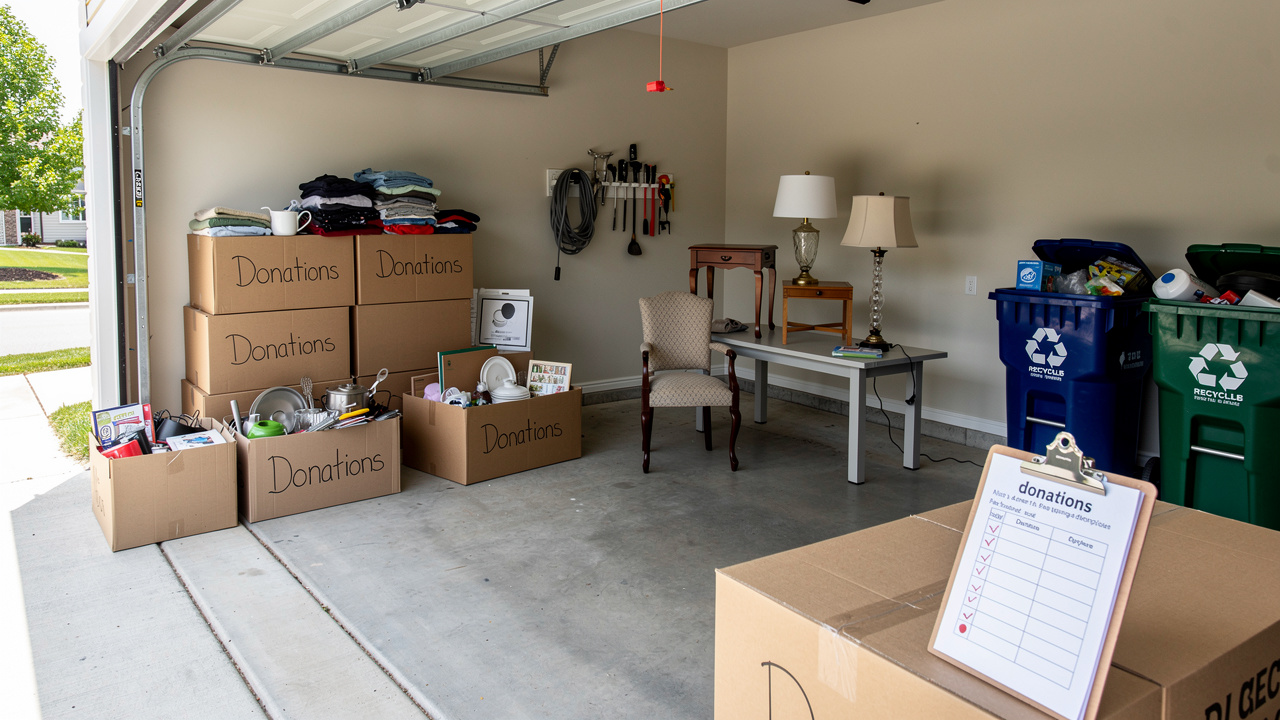
Once you have decided what will not move with you, the next step is finding good next homes for those belongings. Planning this part early prevents last‑minute panic and overflowing garages. It can also bring in a bit of cash and do real good in your community.
Some items are worth selling, especially higher‑value pieces like furniture, electronics, and collectibles. Others are better suited for donation, where they can support local programs and help people in need. Items that are broken or unsafe often require careful recycling. With a simple plan, you can move items out in a steady, orderly way.
Selling Items Of Value
For items with clear resale value, online marketplaces can work well. Local listing sites are helpful for larger pieces such as sofas or dining sets because buyers pick them up and you avoid shipping headaches. Wider‑reach platforms are better for collectibles and brand‑name items that appeal to specific buyers.
Before listing anything, look up similar items to get a fair price range. Being realistic and willing to negotiate will move things faster and keep you from spending too much time on a single lamp or chair. When meeting buyers in person, choose public locations when possible, bring someone with you, and only accept safe payment methods. Your safety matters more than squeezing out a few extra dollars.
Donating For Community Impact
Many items that no longer fit your life can still be very helpful to others. Large national thrift organizations, faith‑based charities, and local nonprofits often welcome gently used clothing, books, household goods, and small appliances. These groups usually sell items to fund programs or give them directly to people who need them.
Local shelters may need bedding, towels, or basic kitchen items, while job‑training programs sometimes seek professional clothing. A quick phone call or website check will tell you what they accept. If you have bulky furniture or many boxes, ask about free pickup services. Keeping a simple list or receipt of what you donate can help at tax time and serves as a record of the good your belongings continue to do.
Responsible Recycling
Some belongings cannot be safely thrown out or passed along. Old paint, household chemicals, certain electronics, batteries, and fluorescent bulbs need special handling. Tossing them in regular trash or recycling can harm people and the environment.
Most cities and counties have drop‑off sites or special collection days for these items. Many electronics stores also accept used devices, cords, and printers through e‑waste programs. Checking your local waste management website and gathering these items in one box will make this step quick when you are ready.
Phase 3 Strategic Packing & Final Preparations (2–4 Weeks Before Moving)
By the time you reach the last few weeks, most of the hard deciding is behind you. What remains is packing what you have chosen and lining up final details so moving day runs smoothly. This phase feels much lighter when decluttering is mostly done.
Pack in stages so that daily life can continue without too much disruption. Start with items you rarely use, then move closer and closer to everyday things. Clear labels and simple systems will help your future self on the other end.
At the same time, this is the window to handle practical tasks such as address changes, utility transfers, and confirming plans with movers. Think of it as the last round of preparation that protects you from surprises.
Your Week-By-Week Packing Timeline
Use a simple timeline to keep packing on track:
Four weeks before: Box up items from basements, attics, garages, and closets that you have already decided to keep. Add holiday décor, extra books, and off‑season clothing. Stack these boxes out of the way.
Three weeks before: Move to guest rooms, hobby supplies, and electronics you do not use every day. Start planning meals that use up pantry items and freezer food so less needs to be moved.
Two weeks before: Pack non‑essential kitchen items, decorative pieces, and extra linens.
One week before: Pack nearly everything else, leaving out only the clothes, dishes, and supplies you truly need each day.
As you go, label each box clearly with the room name and a short list of contents so movers know where to place it and you know what to open first.
Creating Your Life-Saving Essentials Box
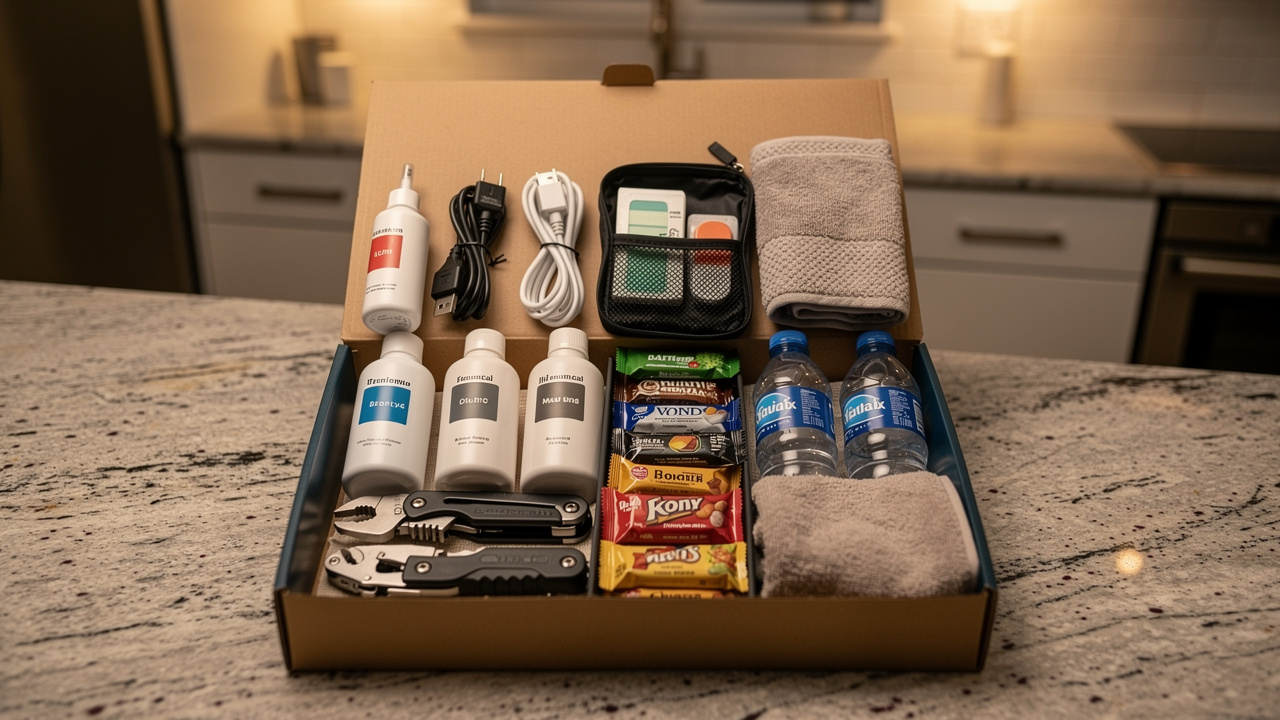
One of the most helpful steps you can take is creating an essentials box or suitcase that stays with you, not on the moving truck. Think of it as your portable home base for the first day or two.
Pack items such as:
Daily medications and a small first‑aid kit
Toiletries, towels, a change of clothes, and basic bedding
Phone and device chargers, plus any small electronics you rely on
Snacks, bottled water, and a simple way to make coffee or tea
A few disposable plates, cups, and utensils
A basic toolkit with scissors, a screwdriver, and a hammer
Paper towels and surface cleaner
Keys, cash, and important documents
Pet food, bowls, and leashes if you have animals
When this box travels by your side, your first hours in the new home feel settled rather than scattered.
Finalizing Logistics And Avoiding Common Mistakes
The final stretch before moving day is when details matter most. Even with careful sorting and packing, missed paperwork or unclear plans can raise stress. Taking a little quiet time to check off key tasks makes a big difference.
Make sure to:
File a change of address with the postal service.
Update your information with banks, insurance companies, doctors, and subscriptions.
Arrange shut‑off and start dates for electricity, gas, water, internet, and trash service.
Confirm dates, arrival windows, and payment details with your moving company or truck rental.
Ask about insurance coverage and permits for parking or elevator use.
Arrange child care or pet care on moving day if stairs, heavy furniture, or long hours are involved.
Plan to carry jewelry, important documents, small electronics, and sentimental items with you.
Downsizing Insights often helps clients build simple checklists for these tasks so nothing slips through the cracks, even when life feels busy.
Pitfalls To Avoid
A few common mistakes tend to cause the biggest headaches, and knowing them ahead of time makes them easier to avoid:
Waiting until the last week to start serious downsizing, which leads to rushed choices, overstuffed boxes, and higher moving costs.
Letting emotions control every decision so strongly that no progress is made, even when safety, health, or future comfort are at stake.
Renting a “temporary” storage unit with no clear end date. Fees add up quickly, and boxes often sit untouched for years.
Swinging too far the other way and giving away items you actually use and love in daily life.
Under‑reporting how much you have when booking movers, which can lead to extra charges and not enough staff or truck space.
Clear paths through your home, with boxes near the door, help moving day go faster and safer. With our planning tools and expert partners, Downsizing Insights helps you stay ahead of these common bumps.
Moving Day And Settling Into Your Simplified Space
By moving day, all your earlier work pays off. Instead of wondering what is in every box, you already know that everything on the truck has a place in your new home. That knowledge alone takes a lot of pressure off.
Start the day early, eat something simple, and keep water handy. When movers or friends arrive, guide them using your labels and floor plan. Point out which boxes belong in which rooms and where large furniture should go. Before leaving the old house, walk through each room, closet, and cabinet to make sure nothing important was left behind.
At the new home, confirm that power, water, and internet work. Then turn to your essentials box. Getting beds made, bathrooms stocked, and a bit of food and coffee ready turns a bare space into a place you can truly rest.
Your First 24 Hours
The first day is not about finishing everything. It is about comfort and safety. Focus on:
Setting up beds so everyone has a place to sleep
Stocking bathrooms with toilet paper, soap, towels, and basic toiletries
Plugging in your coffee maker or kettle and setting out simple snacks
Getting drinking water and an easy meal ready
Checking boxes against your inventory list and looking for any damage to report
By focusing on these basics, you end the first night tired but settled, not surrounded by half‑opened boxes and missing toothbrushes.
Your First Week Priorities
During the first week, think in terms of layers. Start with the rooms you use most, usually the kitchen, bedrooms, and main bathroom. Because you downsized earlier, finding a sensible place for each item will take less time, and shelves will not feel crowded as soon as you unpack.
Take care of safety and security tasks early:
Change exterior locks
Locate the fuse box and main water shut‑off
Test smoke and carbon monoxide alarms
Add gates or cabinet latches if children or pets are part of your household
As the essentials settle, you can move on to living areas, hobby spaces, and décor at a relaxed pace. Explore your new neighborhood, meet neighbors, and learn where nearby stores, parks, and medical offices are. At some point, you may pause in your new, calmer space and realize you have done something big and brave. That feeling is worth honoring. Downsizing was not easy, but you gave your future self a home that is easier to live in and care for.
Conclusion
Downsizing after years in a family home takes real courage. It asks you to touch memories, sort through layers of life, and make decisions that shape your next chapter. That is a lot to carry, and it is worth pausing to recognize the heart and effort behind every box you pack and every item you let go.
When you approach the process with a clear plan, plenty of time, and support along the way, the rewards last. You save money by moving less, protect your body from overdoing it, and arrive in a space that feels manageable, organized, and aligned with how you want to live now. Daily life becomes simpler, and there is more room—both physical and mental—for the people and activities that matter most.
At Downsizing Insights, we believe no one has to walk through this change alone. Our personalized roadmaps, readiness assessments, and network of empathetic local experts are built to guide you step by step, at your pace. Your 2026 Step-By-Step Downsizing Guide For A Stress-Free Move is more than a list of tasks. It is an invitation to design a home and a chapter that support you, one thoughtful decision at a time.
FAQs
Question 1 When Should I Start The Downsizing Process Before My Move?
We recommend starting about three to six months before your move whenever possible. This window gives you time to make thoughtful choices, handle sentimental items with care, and avoid last‑minute marathons. If you have decades of belongings or are helping aging parents, beginning even earlier can bring extra breathing room. Waiting until the final days often leads to stress, higher costs, and taking many things you do not actually want or need.
Question 2 How Do I Decide What To Keep When Everything Feels Important?
When everything feels important, simple questions help. Ask whether you have used the item in the last year and whether you would buy it again today. Measure your new space so you know what can truly fit. For sentimental pieces, consider keeping a small number of the most meaningful items and capturing the rest in photos and written stories. Focus on what supports the life you are moving toward rather than trying to hold every part of the past. Our readiness assessments at Downsizing Insights are designed to help you sort these priorities with more clarity.
Question 3 What Is The Best Way To Handle Selling Versus Donating Items?
A good rule is to sell items that clearly have higher value and are worth the time to list, such as quality furniture, electronics, or collectibles. Use local and online marketplaces to reach the right buyers and offset some moving costs. For everyday clothing, décor, and household goods, donation often makes more sense and moves things out faster. If an item has not sold by about two weeks before moving day, consider donating it so it does not follow you to the new home. Your time, stress level, and peace of mind all have value too.
Question 4 How Can I Help My Aging Parents Downsize Without Causing Conflict?
Supporting aging parents starts with empathy. Listen to their stories, and recognize that each item may represent part of their life. Avoid pushing or dismissing their feelings. Instead, frame downsizing as a way to honor what matters most, keep them safe, and pass special items along to loved ones. Short, frequent sorting sessions are easier than long, draining days. Memory boxes and gifting items to grandchildren can help the process feel positive. When needed, Downsizing Insights can connect your family with specialists who focus on gentle, senior‑centered moves.
Question 5 What Should I Pack In My Essentials Box For Moving Day?
Your essentials box should hold everything you need to feel safe and comfortable for the first one or two days. Pack:
A first‑aid kit and all medications
Toiletries, towels, and a full change of clothes for each person
Sheets and pillows
Snacks, bottled water, and a simple way to make coffee or tea
Disposable plates, cups, and utensils
Phone chargers and a small toolkit
Cleaning supplies and paper towels
Keys, cash, and important documents
Pet food, bowls, medications, and leashes, if you have pets
Keep this box with you, not on the truck, so you have what you need even before the first regular box is opened.
Take your next step forward
You've learned the essentials. Now get the tools to move with confidence and clarity.
.jpg)