
Cost of Senior Living Facilities in 2026: A Guide

Introduction
When a parent starts to struggle with the stairs or the family home feels too big and quiet, money is far from the only concern. At the same time, the cost of senior living facilities can feel like a giant question mark hanging over every conversation. We sit with many families at this point, so we know how emotional and confusing this stage can be.
The hard numbers can sound scary at first. Current data shows a national median of about five thousand six hundred seventy six dollars a month (about $5,676 per month) for assisted living, which comes out to more than sixty eight thousand dollars a year. That figure is only a starting point, because the real cost of senior living facilities depends on the type of care, location, and personal needs.
Looking ahead to 2026, prices are expected to keep rising faster than general inflation, so understanding the cost of senior living facilities matters more than ever. In this guide, we walk through what different care levels cost, what drives those prices, how families usually pay, and how moving out of a longtime home can help cover the bill.
At Downsizing Insights, we focus on both the dollars and the feelings behind this move. We offer readiness tools, city guides, real estate support, and move management so families can move from worry to a clear plan. By the end of this article, we want the cost of senior living facilities to feel less like a mystery and more like a number that can be planned for step by step.
"Aging is not 'lost youth' but a new stage of opportunity and strength." — Betty Friedan
Key Takeaways
The national median cost of assisted living is about $5,676 per month. Costs vary a lot by state, city, and the level of care that a person needs.
Independent living is usually the lowest cost choice and skilled nursing is the highest. The cost of senior living facilities can range from about one thousand five hundred dollars a month to more than eight thousand dollars.
Location, care needs, apartment size, and amenities are the biggest drivers of the cost of senior living facilities. Contracts and entrance fees matter as well.
Home equity from downsizing pays for senior living for many families. With help from Downsizing Insights, the move from a longtime home can turn into a clear funding plan.
What Does Senior Living Actually Cost in 2026?

When we first walk families through the cost of senior living facilities, the totals can feel heavy. Once we break the numbers into clear categories though, most people feel more calm because they can see where the money goes and what tradeoffs they can make.
The term senior living covers several very different options. Each type of community has its own price range, based on how much care is built in.
Independent living is the most affordable level. In many parts of the United States, independent living runs from about one thousand five hundred to four thousand dollars a month. These communities work best for active older adults who want a smaller, maintenance free home with meals, activities, and social life, but do not need help with daily personal care.
Assisted living costs more because it includes support with bathing, dressing, and medication reminders. The cost of senior living facilities in this group often falls between three thousand five hundred and ten thousand five hundred dollars a month. The national average sits in the four thousand to five thousand six hundred seventy six dollar range, based on recent data from the Cost of Long Term Care report. This is the number many families use as a baseline for planning.
Memory care communities offer secure settings and staff trained for Alzheimer’s and other forms of dementia. The cost of senior living facilities that provide memory care often averages around six thousand dollars a month and can reach fourteen thousand dollars in high cost cities. These communities often include smaller staff to resident ratios and extra safety features.
Skilled nursing sits at the top of the price ladder. A private room with round the clock medical care can easily reach eight thousand dollars a month or more. This type of care is for people with complex health needs who need full nursing support rather than just help with daily tasks.
There is also wide variation by state. For example, Mississippi averages around four thousand thirty one dollars a month for assisted living, while Georgia hovers near four thousand three hundred seventy one and Alabama near four thousand three hundred ninety five. On the higher end, Hawaii can reach about nine thousand nine hundred nine a month, with Maine and Vermont also above nine thousand. The cost of senior living facilities in coastal cities usually mirrors the higher local cost of housing and labor.
For couples, the picture looks a little different. Most communities charge one apartment rate plus a second person fee for meals and services. So the cost of senior living facilities for two people is higher than for one, but not double. Real quotes from local communities are still essential, yet these ranges offer a strong starting point for 2026 planning.
"Long-term care costs often rise faster than overall inflation." — Genworth Cost Of Care survey findings
What Factors Influence The Cost Of Senior Living Facilities?

Families often ask why the cost of senior living facilities on one side of town is so different from another. The prices are not random. Several clear factors work together to set the final monthly bill.
Here are the main drivers:
Location
States with higher housing prices, taxes, and wages almost always have higher senior living prices. Communities in the Northeast and on the West Coast cost more than many places in the South or Midwest. Even inside one state, a downtown community in a major metro area often costs more than a similar one in a smaller suburb.Level Of Care
The cost of senior living facilities rises as care needs increase. Independent living is at the low end because it focuses on housing, meals, and activities. Assisted living adds staff to support daily tasks, which raises labor costs. Memory care and skilled nursing require more staff, more training, and more safety features, which is why they sit at the top of the range.Apartment Size And Layout
Apartment size and layout also matter. A compact studio with simple finishes will almost always cost less than a large two bedroom home with a balcony and a nice view. When we compare the cost of senior living facilities, we always remind families to check that they are looking at similar floor plans.Amenities And Services
Amenities and services play a part as well. Communities that offer fine dining rooms, fitness centers, pools, busy social calendars, and on site transportation build those features into their fees. Some places roll nearly everything into one monthly number, while others charge extra for items such as extra housekeeping, extra meals, or personal escorts to activities.Fee Structure And Contract Type
The fee structure makes a big difference. Life Plan Communities often use entrance fees that can range from fifty thousand to more than three hundred fifty thousand dollars. In exchange, monthly costs are lower and residents get priority access to higher levels of care. Rental communities skip the entrance fee, but monthly prices are higher and care is paid for as needed. Different contract types balance what is paid up front versus over time. Type A contracts focus on price stability, while Type D rental contracts focus on flexibility.
When we work with families, we encourage them to look past the sticker shock and list what is included. Once we compare the cost of senior living facilities to current spending on housing, food, utilities, transportation, and home care, the gap often shrinks. Asking each community for a written, itemized quote helps families compare options on equal terms.
How to Pay for Senior Living and Funding Options That Can Help

Very few families cover the full cost of senior living facilities from one single source. Most use a mix of assets and benefits, and that is completely normal. When we map out all the options on one page, people usually breathe a little easier.
Common funding sources include:
Proceeds from selling a longtime home
Savings and retirement accounts
Long term care insurance
Public programs and veterans benefits
Short term financing, such as bridge loans
For many, the biggest piece comes from selling the longtime family home. Years of mortgage payments often build a large amount of equity. When that equity turns into cash, it can fund entrance fees and many months or even years of monthly costs. At Downsizing Insights, we guide families through this step with city specific downsizing guides, real estate support, and move management. That way the sale of the home and the cost of senior living facilities connect inside one clear plan.
Savings and retirement accounts come next. Money in 401(k)s, IRAs, pensions, and other investment accounts often fills the gap between home sale proceeds and ongoing community fees. When we review the cost of senior living facilities with families, we usually suggest that they talk with a financial planner about safe withdrawal rates and tax effects.
Long term care insurance can also be a major help. These policies are built to offset assisted living, memory care, and skilled nursing costs. The catch is that they must be purchased years before care is needed, and health changes can make new coverage hard or impossible to get. For families who already hold a policy, we make sure they understand when benefits start and how daily limits compare to the cost of senior living facilities in their area.
Public programs may cover part of the picture. Medicaid, for those who qualify by income and assets, can pay for personal care services in many assisted living communities through special waiver programs, although it rarely covers room and board. Medicare does not pay for assisted living rent, but it can cover short term skilled nursing after a hospital stay and certain medical services. Veterans and surviving spouses may qualify for Aid and Attendance, a pension boost that can go toward the cost of senior living facilities. Some families also gain tax savings when a doctor certifies that care is medically necessary and they itemize medical expenses.
We also see bridge loans used in short term gaps, such as when a parent needs to move before a house sale closes. Early planning, with tools such as the Downsizing Insights Readiness Self Assessment and Planning Tools, gives families more time to combine these options in a thoughtful way rather than in a crisis.
"The earlier families start planning for long-term care, the more options they have." — common advice from elder law attorneys and financial planners
Is Senior Living More Affordable Than Aging in Place?
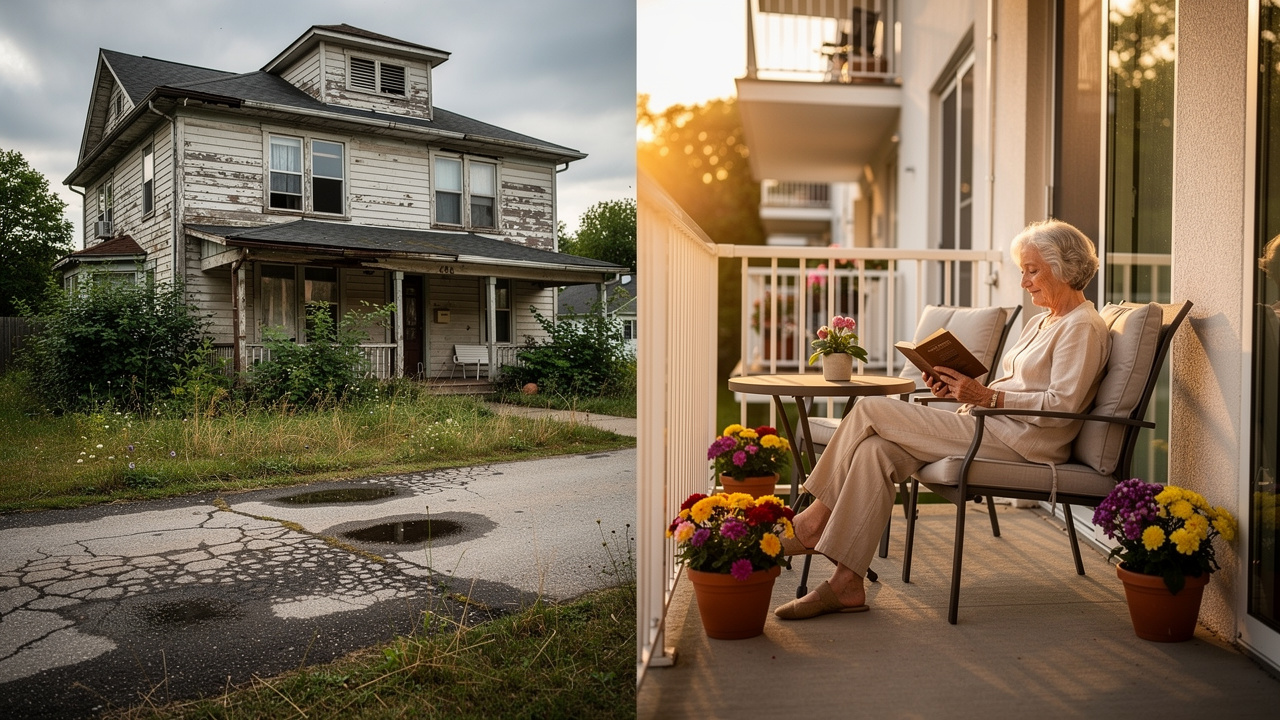
Many people start from the belief that staying at home is always cheaper than paying the cost of senior living facilities. It is a very common and very human first thought. Once we list all the real expenses side by side, the answer often shifts.
Recent data — including research from the Harvard Joint Center for Housing Studies on Most Older Adults Cannot afford long-term care without significant planning — shows the median assisted living cost at about sixty eight thousand one hundred ten dollars per year. In comparison, projected homemaker services at home run around seventy two thousand eight hundred twenty dollars per year, while a full home health aide can reach about eighty thousand one hundred two dollars per year. In plain terms, the cost of senior living facilities can be four thousand to twelve thousand dollars less each year than staying home with paid help.
On top of direct care, aging in place carries many hidden costs. Homeowners must keep up with:
Property taxes
Homeowners insurance
Any remaining mortgage balance
Routine maintenance, like yard care and gutter cleaning
Big repairs, such as a roof or heating system
Utility bills for larger, older homes
Safety changes like grab bars, ramps, or stairlifts
Those safety updates alone can cost several thousand dollars.
When we compare this to the cost of senior living facilities, a different picture appears. One monthly fee usually covers housing, meals, utilities, housekeeping, maintenance, scheduled transportation, and a full calendar of social and fitness programs. There may still be add ons, yet the risk of surprise repair bills is far lower, and the budget is far more predictable.
There are also emotional costs to consider. Loneliness and caregiver burnout can be heavy when a person stays home with growing needs. Senior living communities provide neighbors, staff support, and peace of mind for the entire family.
"Social isolation and loneliness are associated with higher risks of many physical and mental health conditions." — U.S. Centers for Disease Control and Prevention (CDC)
We never say one choice is right for everyone, but with a full cost comparison, families can choose home or community with eyes wide open.
Conclusion

Understanding the cost of senior living facilities is one of the strongest steps a family can take. Clear numbers turn fear into planning and give everyone a common starting point for honest conversations.
We have seen how prices change by care level, state, and community features. We have also seen that most families pay the cost of senior living facilities by combining home equity, savings, insurance, and public benefits. Downsizing often becomes the key that turns a longtime house into the funds needed for a safer, simpler next home.
If this transition is on the horizon, we invite you to explore Downsizing Insights. Our Readiness Self Assessment, city guides, real estate support, and move management services are built to walk beside families at every step. This chapter is big, but it does not have to be faced alone, and a thoughtful plan can make both the move and the money feel far more manageable.
FAQs
What is the average cost of senior living facilities in the US in 2026?
When we talk with families about the average cost of senior living facilities, we usually start with assisted living. Based on current data, the median assisted living cost is about five thousand six hundred seventy six dollars per month (about $5,676), or just over sixty eight thousand dollars per year, and it is likely to keep rising into 2026. Independent living often ranges from one thousand five hundred to four thousand dollars per month, while skilled nursing can exceed eight thousand dollars. Location plays a major part in the final number.
Does Medicare cover the cost of assisted living?
We often need to share some hard news here. Medicare does not pay the main cost of senior living facilities such as assisted living rent, meals, or help with daily personal care. It may cover short term skilled nursing after a qualifying hospital stay and certain medical services, like doctor visits or therapy. Some Medicare Advantage plans add small extra benefits, but they still do not pay the core assisted living bill.
How do most families pay for senior living?
From what we see, most families pay the cost of senior living facilities with several sources working together. Home equity from selling a longtime house is often the largest piece, especially when people have owned their home for many years. Savings, retirement accounts, and pension income usually support the monthly fees. Long term care insurance, Medicaid for those who qualify, veterans benefits, and tax deductions can also help. Starting the planning early gives families the widest set of choices.
How can downsizing help cover the cost of senior living?
Downsizing can make a huge difference in paying the cost of senior living facilities. Selling a larger family home often frees up a large amount of equity that can cover entrance fees and many months of community costs. Moving to a smaller place also cuts ongoing bills like property taxes, utilities, insurance, and repairs, which protects cash flow over time. At Downsizing Insights, we guide people through the full downsizing process, from readiness checks and decluttering plans to home sale choices and move management, so that the financial side and the emotional side stay in balance.
Take your next step forward
You've learned the essentials. Now get the tools to move with confidence and clarity.
.jpg)