
Estate Settlement Checklist: Step-by-Step Guide

Introduction
An estate settlement checklist can feel like one more heavy task layered on top of fresh grief. The mix of paperwork, family opinions, and legal terms often makes people freeze.
At its core, an estate settlement checklist is simply a calm list of steps that helps an executor or family member close out a person's affairs. This guide walks through early document gathering, first notifications to places like the Social Security Administration or your bank, how wills, trusts, and probate work, and what to expect with money, benefits, and final tasks.
You can move through this slowly, one section at a time. If a home sale is part of the picture, resources from Downsizing Insights can add structure whenever you feel ready.
Key Takeaways
Estate settlement often takes longer than expected. Several months, or even a year, are common. You do not need to solve everything this week.
Emotional readiness matters as much as paperwork. Feeling sad, numb, or avoidant is normal. You can pause and come back when your body feels steadier.
Getting organized early reduces pressure later. Simple notes, folders, and checklists help you see progress. You also do not have to manage this alone; help from trusted people is allowed.
"You don't have to see the whole staircase, just take the first step." — Martin Luther King Jr.
What To Do First: Gathering Documents And Getting Oriented

The first step in any estate settlement checklist is gathering key documents and getting oriented to what exists. That quiet stage gives you a clearer picture of the estate before courts, banks, or relatives start asking questions. When you know what you have, you can answer calmly instead of scrambling.
Most people begin by looking for any will, trust, or beneficiary forms, because those papers explain who should receive what and form the base of the checklist. You will usually need:
Certified death certificates
Photo ID and Social Security card
Recent financial statements for checking, savings, and investment accounts
Mortgage and credit card statements
Insurance policies (life, health, auto, homeowners, long-term care)
Real estate deeds and car titles
Recent tax returns
According to Caring.com, only about one third of American adults have a will, so you may need to search a bit.
To get oriented:
Search the home. Check spots where important papers often land, such as file drawers, desk piles, or a home safe. Look for folders from law firms, insurers, or financial companies, even if they seem old. Keep anything that looks official in one box or folder for now rather than trying to sort perfectly.
Contact professionals. Think about professionals or businesses the person relied on, including an estate planning attorney, accountant, bank, or credit union. They may hold copies of wills, trusts, or account agreements that you cannot find at home. A quick call to offices like Wells Fargo, Charles Schwab, or a local credit union can confirm whether accounts exist.
Forward the mail. Forwarding the person's mail through the United States Postal Service is a small step that pays off later. New statements, medical bills, or notices from companies such as American Express or Blue Cross can reveal accounts no one knew about. Create a simple list of each new account or bill as mail arrives so nothing slips through your estate settlement checklist.
Notifying People And Protecting What's There

Notifying the right people and protecting existing assets sit side by side near the start of any estate settlement checklist. Both pieces matter, because benefits, paychecks, and fraud protection often depend on how quickly you speak up. At the same time, no one expects you to make all the calls in a single week. You can move through this part as energy allows.
For most families, first notifications go to:
Close relatives
The funeral home
The Social Security Administration (SSA)
Funeral homes usually report the death to the SSA, but you still need to ask about survivor benefits later. If the person was working, the Human Resources department at the employer can explain final pay, life insurance, or retirement options. Banks, credit unions, and investment firms such as Fidelity or Vanguard also need notice so staff can flag accounts until formal papers arrive.
Other important contacts include:
Credit card companies for individual cards
Medical providers and health insurers
Professional licensing boards, if the person was a doctor, lawyer, teacher, or held another licensed role
Licenses and professional IDs are valuable to people committing fraud, so closing those records helps protect the estate.
Once the main calls are underway, you can shift some focus to the house, cars, and accounts themselves. Keeping homeowner's insurance and basic utilities active helps prevent problems like leaks or frozen pipes. Research cited by AARP estimates that criminals misuse the identities of roughly 2.5 million deceased Americans each year, which shows why these protective steps matter.
Practical early protections include:
Change exterior locks at the house, even if you trust everyone who had keys. You cannot know who may have copied a key years ago. While you are there, check that doors and windows close securely.
Place a fraud alert on the person's credit file with Equifax, Experian, or TransUnion. This alert makes it harder for new accounts to be opened in their name. The Federal Trade Commission explains how to set this up and why it matters.
Tip from Downsizing Insights: Keep a simple notebook or spreadsheet of every call you make (date, company, contact name, and what was said). This saves you from repeating hard conversations and helps if the court asks for records.
Understanding Probate, Wills, And Trusts Before Taking Action

Understanding how probate, wills, and trusts work before you move assets keeps the estate settlement checklist from turning into a tangle. Probate is the court process that proves a will and oversees the transfer of property. A will or trust says who should receive assets, but the legal path looks different in each case.
When there is a will, a judge usually appoints the named executor and gives that person authority through documents called Letters Testamentary. According to Nolo, straightforward probate cases often take six months to a year, sometimes longer if property must be sold.
When assets were placed into a living trust while the person was alive:
The successor trustee often can transfer or sell them without going through probate court.
Families may avoid separate probate cases when a person owned homes in more than one state.
Day‑to‑day administration usually happens privately, outside of a courtroom file.
If there is neither a will nor a trust, the estate is called intestate, and a judge applies your state's default rules to decide who receives what.
Because these rules carry real legal weight, it is wise to pause before you:
Retitle accounts
Sign contracts to sell property
Hand out valuables or sentimental items
Taking money from accounts too early or favoring one heir can create personal liability for the executor, even when the intent was kind. A short meeting with a local probate attorney, often one recommended by a trusted advisor or bar association referral service, can bring the picture into focus — and using the Executor Decision Assessment: A comprehensive self-evaluation framework can help you prepare the right questions before that meeting.
You can ask that lawyer to:
Outline which assets fall inside the probate case
Clarify which items pass by beneficiary form (like life insurance or retirement accounts)
Suggest a practical order for your next steps
Having that map written down makes the rest of your estate settlement checklist feel less like guesswork.
Handling Finances, Benefits, And Closing The Estate

Handling finances, benefits, and final paperwork sits at the center of every estate settlement checklist. Some parts bring money into the family, such as Social Security survivor checks or life insurance, while others focus on taxes and debts. Working through these pieces in order keeps you from paying bills you do not owe or missing income that should arrive.
A simple way to move through the financial side is — and for a structured framework, the Estate Planning Essentials: Comprehensive checklist and worksheet provides a useful reference:
Claim income and benefits.
The Social Security Administration can review whether a spouse, child, or sometimes a parent qualifies for survivor benefits or a one‑time death payment. If the person served in the military, the Department of Veterans Affairs may help with burial costs, a flag, or ongoing payments. Pension offices, 401(k) providers such as Fidelity, and individual retirement account custodians will explain options for inheriting those funds. Life insurers listed on old statements can confirm whether policies exist.Sort debts and regular bills.
Next comes sorting which debts the estate must pay, usually with mortgages and estate expenses ahead of unsecured debts like credit cards. Create a list of:Home‑related expenses (mortgage, property tax, insurance, utilities)
Medical bills
Credit cards and personal loans
Subscription services or memberships
Set up the estate bank account and handle taxes.
As executor, you apply for an Employer Identification Number (EIN) from the Internal Revenue Service and use it to open an estate bank account. The IRS notes that only a small share of estates ever owe federal estate tax, because the exemption amount is very high, but income tax returns for the person and the estate still matter."In this world nothing can be said to be certain, except death and taxes." — Benjamin Franklin
Keeping a simple record of what gets paid, when, and from which account will save confusion when the court asks for a final report.
Close the estate and distribute what remains.
Closing the estate usually means:Valid debts are paid
Required tax returns are filed
The judge has approved your accounting (if probate is required)
Assets are retitled into heirs' names
Leftover subscriptions and online accounts are canceled
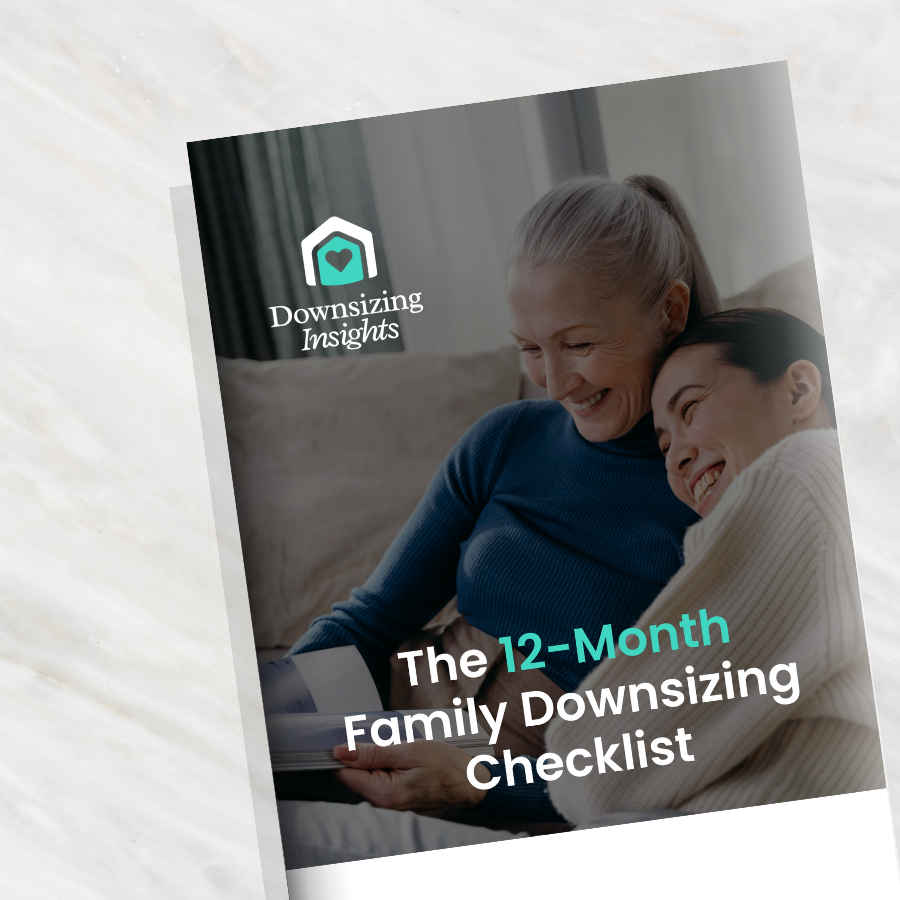
At that point, your estate settlement checklist is finally complete. If a home needs to be sold along the way, tools from Downsizing Insights, including the 12 Month Downsizing Checklist and a real estate consultation, can make that side of the work feel more structured and less overwhelming.
The Bottom Line

Estate settlement is real work, and it often stays in your life much longer than anyone expects. Feeling slow, forgetful, or distracted while you handle it does not mean you are failing. Starting with documents and one small step at a time is more than enough for your estate settlement checklist.
Downsizing Insights offers a free Readiness Self Assessment and Move Management Support for families sorting through home decisions alongside estate tasks. You can use those only when you want help seeing the whole picture, not as a push to move faster. All of this is general information rather than legal or tax advice, so local professionals can speak to your exact facts.
Frequently Asked Questions
Question 1: How Long Does It Typically Take To Settle An Estate?
Most estates take somewhere between six months and two years to work through an estate settlement checklist. Simple estates with a funded trust, few debts, and cooperative heirs can wrap up closer to the short end. Missing documents, hard‑to‑sell property, or family conflict can stretch the timeline.
Question 2: Do All Estates Have To Go Through Probate?
No, not all estates have to pass through probate court. Assets held in a trust, accounts with named beneficiaries, and jointly owned property usually move outside probate. Each state sets a dollar threshold where formal probate begins, so a local probate attorney can explain what applies in your case.
Question 3: What Happens If There Is No Will?
If there is no will, the estate is treated as intestate and state law decides who inherits. A court appoints an administrator to fill the same basic role as an executor. Some states offer a Small Estate Affidavit for modest estates without real estate, which can shorten the process.
Question 4: Who Is Responsible For Paying A Deceased Person's Debts?
In most cases, the estate pays the deceased person's debts, not the family members personally. The executor uses estate funds to pay valid claims in a set order before making distributions. Joint account holders, however, remain responsible for shared debts like mortgages or joint credit cards.
Question 5: When Should You Involve A Professional During Estate Settlement?
Professional help is useful when the estate includes real estate, complex assets, or family conflict. A probate attorney, CPA, and, if a home sale is involved, a downsizing‑aware real estate advisor can guide the technical steps while you and your family keep control of decisions.
Take your next step forward
You've learned the essentials. Now get the tools to move with confidence and clarity.
.jpg)