Home Safety for Elderly Loved Ones: A Practical Guide
Article Introduction
Realizing a parent's home may no longer feel safe can sit like a quiet, heavy thought. Questions about home safety for elderly loved ones often surface after a near fall, a scare in the bathroom, or a hurried late-night call.
The same house also holds memories, routines, and comfort, so even small changes can feel loaded—especially when family members see risk that a parent does not. This guide shares practical, room-by-room steps to reduce hazards, plan for emergencies, and notice when the home itself may no longer fit. Along the way, you will see how Downsizing Insights offers calm tools and checklists if you ever need to weigh a new living plan, giving you steadier footing for the next conversation.
Key Takeaways
Many serious injuries for older adults involve falls, bathroom slips, fires, or scams. Most stem from small hazards that build up over time, so a few focused changes can cut that risk in a real, practical way.
Simple home safety upgrades often help most, especially for elderly parents who want to stay put. Clear walkways, better lighting, grab bars, non-slip floors, and basic emergency planning usually matter more than fancy gear.
Warning signs like unexplained bruises, missed medications, or a house that suddenly feels out of control point to bigger questions. When that happens, tools from Downsizing Insights, including the Readiness Self-Assessment and city guides, help families think through next steps without rushing.
What Are the Biggest Home Safety Risks for Elderly Adults?

The biggest home safety risks for elderly adults usually involve falls, bathroom slips, fire, medication mix-ups, and financial exploitation. These risks often grow out of the home setup and daily habits, not just aging bodies.
According to the Centers for Disease Control and Prevention, falls are the leading cause of injury among adults over sixty five. The National Council on Aging reports that about one in four older adults falls each year, many at home, where cluttered walkways, loose rugs, dim lighting, and steep or narrow stairs raise the chance of a serious accident.
The Consumer Product Safety Commission warns about fire and carbon monoxide dangers from older appliances, space heaters, and gas equipment. Medication mistakes, like double doses or mixing drugs that do not belong together, can trigger confusion, dizziness, or hospital stays. Scams and identity theft add another layer, with the Federal Trade Commission estimating that older adults lose billions of dollars to fraud each year.
Taken together, these issues show why home safety for elderly loved ones needs a wide lens. Safety is not just grab bars or a ramp; it is also about habits, technology, and how easy it is to get help fast.
"Falls are not an inevitable part of aging; many can be prevented." — National Council on Aging
Where Do Most Home Accidents Happen?
Most home accidents involving older adults cluster in a few places: bathrooms, staircases, kitchens, and outdoor steps. These areas combine hard surfaces, movement, and often water or heat.
The bathroom is the main hot spot. The National Institute on Aging notes that many falls happen when people step in or out of tubs and showers. Smooth tile, steam, and tight spaces leave little room for error. Stairs come next, since they demand balance, depth perception, and strength on every step.
Kitchens bring sharp tools, hot pans, and distractions like ringing phones or timers. Outdoor areas, such as driveways and front walks, add uneven concrete, ice, wet leaves, or raised tree roots. Because seniors may have lived with these quirks for decades, they can stop noticing how risky they have become.
How to Reduce Fall Risks and Make Movement Safer Throughout the Home
To reduce fall risks and make movement safer throughout the home, start by clearing tripping hazards and improving lighting in every room. These first changes are often free or low cost, yet they shift everyday safety in a big way.
Loose area rugs, cords, magazine piles, and low tables near walking paths are common culprits. Remove rugs, or tape them firmly to the floor, so canes and walkers have a smooth path. Route cords along walls instead of across open floors. Bright, glare free lighting from lamps or overhead fixtures helps older eyes catch small steps or raised thresholds.
Footwear matters as much as the floors. Socks on wood or tile act like skates, so encourage flat shoes or slippers with good grip that stay firmly on the foot. If a doctor has prescribed a cane or walker, the safest choice is to use it every time rather than reach for walls or furniture.
Movement also feels safer when the home and body are ready. Research summarized by the National Council on Aging shows that strength and balance programs can cut fall risk by about one third. A physical therapist, through a clinic like those listed by the American Physical Therapy Association, can suggest simple exercises and check that devices like walkers are set to the right height for home safety for elderly family members.
A Room-by-Room Safety Checklist
Hallways and living areas: Aim for clear, uncluttered paths. Remove small rugs or tape them firmly so they do not curl or slide. Move cords, stacks of magazines, and low tables away from walking routes, and add bright lighting or motion lights in darker corners.
Bathroom safety: Start with steady support and non-slip surfaces. Install grab bars secured into wall studs near the toilet and inside the tub or shower. Add non-slip mats or adhesive strips inside the tub and a mat outside, and set the water heater to 120 degrees Fahrenheit or lower to cut burn risk.
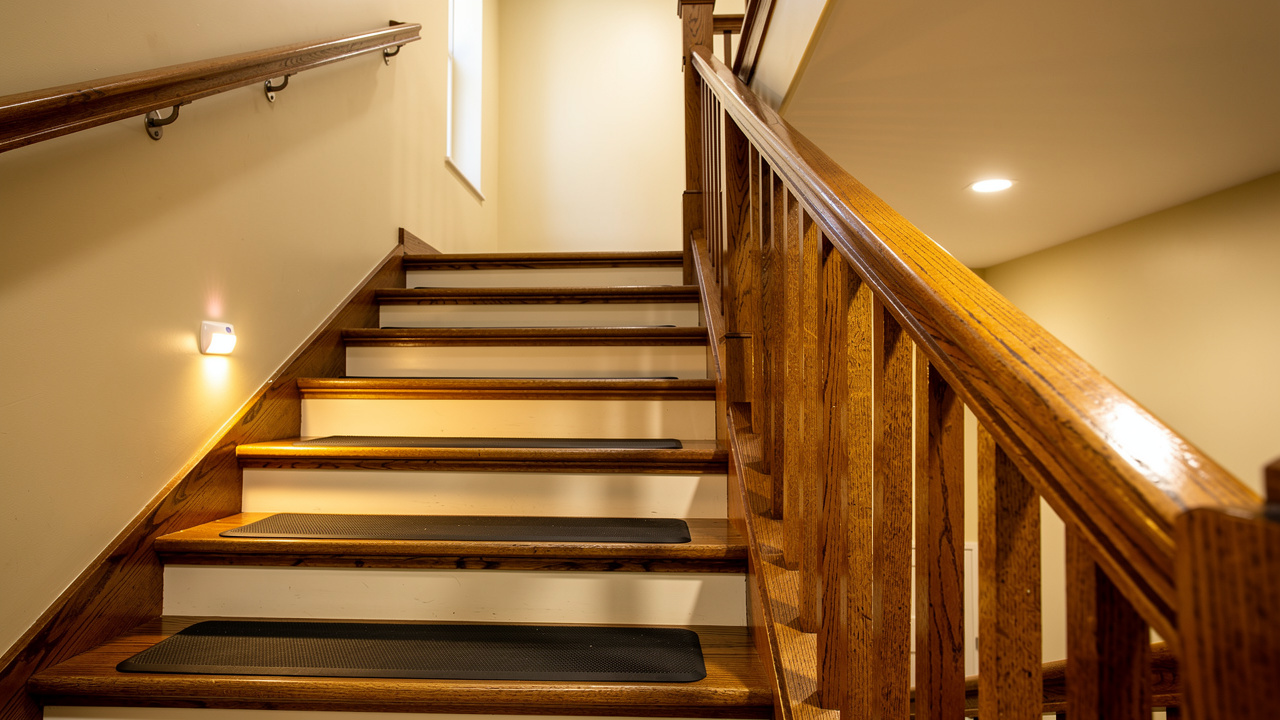
Stairs: Put sturdy handrails on both sides and check that every step is well lit from top to bottom without glare. If climbing stairs leaves your parent breathless or wobbly, talk with an occupational therapist about a stairlift so the second floor stays usable.
Outdoor areas: Walk the path from the front door to the mailbox and car, and repair cracked pavement or raised edges where possible. Trim back plants, clear loose rocks, and add lighting near steps and porch areas so evening trips feel safer.
Footwear habits: Encourage shoes or slippers with closed backs and non-slip soles that grip the floor. Set a spot near the door for safe shoes so it becomes a simple habit rather than a big change.
Why Emergency Preparedness and Fire Safety Are Part of Home Safety, Too
Emergency preparedness and fire safety are part of home safety for elderly adults because crises rarely give time to think things through. Simple routines and a few devices can mean the difference between a scare and a disaster.
For medical events, the goal is fast, easy contact with help. Wearable medical alert systems, such as those from Philips Lifeline or an Apple Watch with fall detection, give one button access to a response center. According to Poison Control, keeping the national poison hotline number visible near phones can save precious minutes during a medication or chemical emergency. A printed list of emergency contacts in large type by each phone, plus a charged cell phone within reach, cuts the urge to rush across the room for a ringing landline.
Fire and carbon monoxide risks often hide in plain sight. The National Fire Protection Association reports that older adults are about twice as likely to die in home fires as the general population. Safe habits help, such as avoiding loose sleeves near the stove, keeping space heaters at least three feet from anything that can burn, and never leaving candles or cigarettes unattended. Working smoke alarms and carbon monoxide detectors on every level, tested often, add a second line of safety.
Security fits into this picture too. Systems from companies like ADT or Ring can include smoke and CO monitoring, cameras, and door sensors. For families living far away, these tools offer another way to check that a parent is moving around the house as usual.
"By failing to prepare, you are preparing to fail." — Often attributed to Benjamin Franklin
Building a Basic Emergency Kit
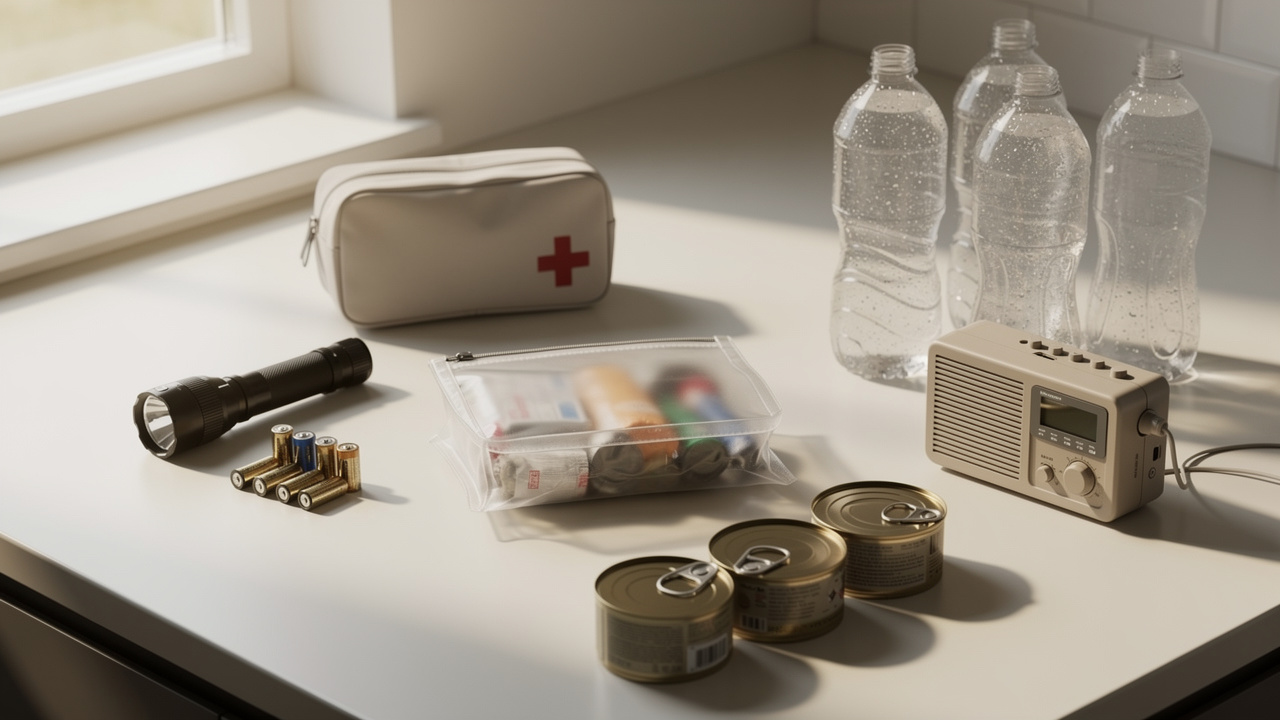
Food and water: Store several days of bottled water and nonperishable items, like canned soup or peanut butter, that your parent actually likes to eat. The Federal Emergency Management Agency and the American Red Cross both suggest checking these supplies at least once a year.
Light and first aid: Pack a flashlight, extra batteries, a small battery powered radio, and a first aid kit with bandages and basic supplies. Include a spare pair of glasses and a simple list of medications in case someone else needs to help.
Medications and paperwork: Keep a backup supply of key prescriptions, plus copies of important documents like ID, insurance cards, and a current medication list in a waterproof pouch. If your parent relies on powered medical equipment, talk with the doctor and a local electrician about a backup plan, which could include a safely used generator.
Tip inspired by FEMA guidance: Aim to store at least three days of supplies; more is better if your parent lives in a rural area.
When Home Safety Modifications Aren't Enough: Recognizing the Signs

Recognizing when home safety modifications are no longer enough means watching for changes in health, behavior, and daily routines. At some point, the question shifts from “Is the house safe enough?” to “Is this still the right house?”
Physical warning signs often show up first. New bruises, burns, or cuts that your parent cannot clearly explain point to hidden falls or near misses, consistent with findings on prevalence and risk factors of unintentional in-home injuries in older adults. Missed medications, or pills scattered on tables and floors, suggest that the schedule is too complex to manage alone. According to the Alzheimer's Association, about one in nine adults over sixty five lives with Alzheimer’s disease, which often brings confusion about time, place, and safety steps.
The home itself tells a story too. A once tidy house that becomes cluttered, dusty, or full of spoiled food signals that basic chores feel harder. Stacks of unopened mail, unpaid bills, or past due notices can mean memory trouble or simple overwhelm. The Consumer Financial Protection Bureau and Federal Trade Commission both note that financial stress and scams often hit older adults who already feel overloaded.
Outside help can give a clearer picture. A licensed occupational therapist, often covered in part by Medicare Part B when ordered by a doctor, can walk through the home and flag safety gaps. Many home safety specialists offer structured assessments, with costs that are modest compared with a hospital stay after a fall. When those reports, plus what you see day to day, suggest growing risk, the focus naturally moves beyond grab bars and stair rails.
This is where Downsizing Insights comes in. The Readiness Self-Assessment lets a parent and adult child answer the same questions separately, then compare notes without blame. City specific downsizing guides help families explore apartments, smaller homes, or retirement communities that may fit current needs better than the old house. The aim is to replace vague worry with a clearer picture of options.
"The safest home is one that matches a person's current abilities, not just their memories." — Common guidance from geriatric care specialists
Lend a Steady Hand Before You Take the Next Step
Lending a steady hand before you take the next step means pairing small safety wins with gentle, honest talks. No one has to solve everything in one weekend.
Start where the risk feels highest and the fix feels simple. That might be clearing the hallway, adding a shower chair, or setting up a medical alert button for extra peace of mind. Each step strengthens home safety for elderly loved ones and often gives them more confidence, not less.
When you start to see signs that modifications are not enough, remember that this is not a failure on anyone's part. Bodies and needs change, even in the best prepared homes. Downsizing Insights offers tools that match that reality, from the Downsizing Checklist to the free, no pressure real estate consultation with senior focused agents. The Get Support hub and city guides then help your family think through timing, locations, and support services at a pace that feels respectful.
Frequently Asked Questions
Question 1: What Is the First Thing I Should Fix to Improve Home Safety for an Elderly Parent?
The best first step is to lower fall risk. Clear walkways, remove or secure loose rugs, and brighten dark halls and stairways. Then focus on the bathroom by adding grab bars and non-slip mats. If the home feels complicated, a home safety assessment from an occupational therapist can provide a short, written list of priorities.
Question 2: How Do I Know If My Parent's Home Is No Longer Safe to Live In?
A home may no longer be safe when health changes and daily tasks start slipping. Warning signs include unexplained bruises, confusion, missed medications, spoiled food, or piles of unpaid bills. Car dents, getting lost, or frequent near falls also matter. These signs do not always mean a move, but they do signal that extra support or a new plan deserves serious thought.
Question 3: Are Medical Alert Devices Worth It for Seniors Living Alone?
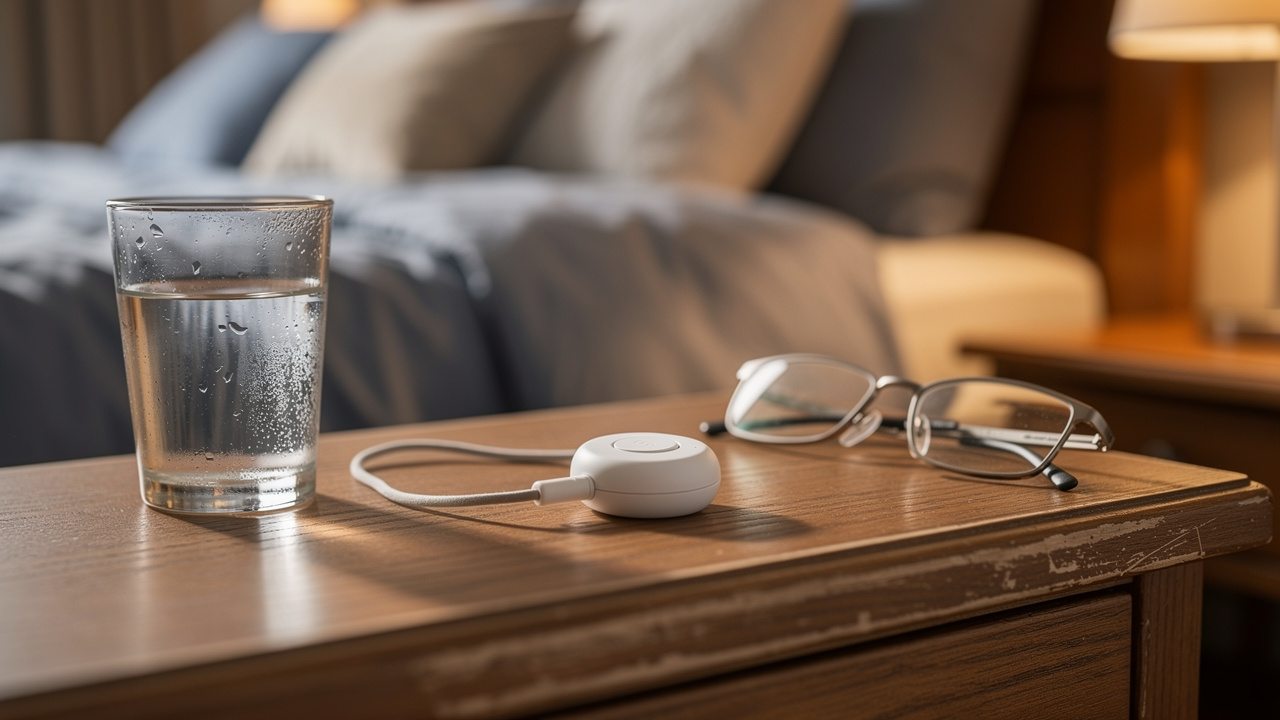
Medical alert devices are usually worth it for seniors who live alone or have any fall history. One button access to help shortens the time someone spends on the floor after a fall. Many devices also offer automatic fall detection and work over cellular networks. The extra peace of mind for both parent and family often outweighs the monthly fee.
Question 4: What Home Modifications Help Seniors Age in Place Longer?
Simple accessibility changes help many seniors age in place longer. Lever style door handles reduce strain for arthritic hands, and wider doorways make walkers or wheelchairs easier to use. Motion activated lights in halls and bathrooms prevent fumbling for switches at night. Voice controlled smart speakers, paired with a stairlift where needed, extend safe use of the entire home.
Question 5: How Can My Family Start the Conversation About Home Safety Without Causing Conflict?
Begin by asking about comfort and daily routines rather than listing safety worries. Questions like “How do the stairs feel lately?” invite honest sharing. Downsizing Insights Readiness Self-Assessment gives you and your parent a neutral worksheet to fill out separately, then discuss together. Framing changes as support for independence, not control, usually leads to calmer talks and better shared decisions.
Take your next step forward
You've learned the essentials. Now get the tools to move with confidence and clarity.
.jpg)