
10 Stress-Free Moving Tips for a Calm, Easy Move

Introduction
Packing up a long-time home can stir up memories as quickly as it fills boxes. When we talk with families, we hear the same wish over and over again. They want simple, stress-free moving tips that make this big step feel calm and manageable, not chaotic and painful.
For empty nesters, retirees, and adult children helping aging parents, a move often comes with mixed feelings. Pride sits next to grief. Excitement about a smaller, easier home sits next to worry about what to keep, what to let go, and how the move will affect everyone. Feeling overwhelmed or stuck does not mean anything is wrong. It just means this change matters.
In this guide, we share ten practical stress-free moving tips that we use with real clients at Downsizing Insights. We focus on both the to-do list and the emotions behind it, so every step feels a little lighter. By the end, you will have a clear path, helpful tools, and a supportive partner to help you move forward with confidence.
“You’re not just moving boxes; you’re moving a life story.” — Downsizing Insights Team
Key Takeaways
Before we explore the details, it helps to see how all the pieces fit together. These key ideas can guide every decision you make during your move.
- Start Early: Starting three to six months ahead turns a rushed move into a series of small, calm steps. Extra time lets you sort, sell, and donate at a pace that feels kind to your body and your heart. Even if you are closer to moving day, beginning now still reduces stress.
- Declutter First: Decluttering before you pack lowers moving costs and lightens emotional weight. Fewer boxes mean less to move, less to unpack, and less to manage in your new home. Careful choices about what stays with you help your new space feel peaceful instead of crowded.
- Pack And Label Smart: Smart packing and clear labels protect your belongings and your energy on moving day. A simple essentials box makes your first night comfortable even if nothing else is ready. When boxes are marked by room and contents, helpers can put things in the right spot without constant questions.
- Care For Your Emotions: Emotional care and expert support matter just as much as tape and boxes. At Downsizing Insights, we combine practical, stress-free moving tips with tools, checklists, and compassionate guidance. That mix helps you move into your next chapter with confidence instead of fear.
Tip #1–3 Start Early, Declutter Intentionally, And Make A Plan

When we help families move, we see one pattern again and again. The people who start early feel calmer, make clearer choices, and experience moving day as busy but manageable. The first three stress-free moving tips focus on that early phase, because it shapes everything that follows.
Tip 1 — Start Planning Three To Six Months Out
If possible, begin planning three to six months before moving day — and if you need a structured starting point, review guidance on how to prepare for a smooth, low-stress transition. That may sound like a lot, yet even a modest home can take weeks to sort and pack. Packing a two-bedroom place can take two or more weeks for one person, and a larger home often takes much longer when you add in decisions and paperwork.
This is where the Downsizing Insights tools become powerful. Our guide called Your 2026 Step-By-Step Downsizing Guide For A Stress-Free Move breaks the process into clear monthly and weekly tasks. Paired with our Downsizing Checklist, it turns vague worries into specific actions that you can tackle one by one.
“Small tasks, done consistently, beat last-minute marathons every time.” — Downsizing Insights Move Guide
Tip 2 — Declutter Before You Pack
One of the most important stress-free moving tips is simple: do not pack what you do not want to live with in your next home. Work room by room and sort items into four groups such as:
- Keep
- Sell
- Donate
- Discard
You pay movers by time and volume, so every extra box you skip can save real money.
We know that many items carry stories, especially in a long-time family home. Instead of forcing quick choices, take photos of special objects, create a small memory box, or pass cherished pieces to children or close friends. Many senior real estate specialists suggest an only handle it once approach, meaning that when you pick something up, you make a decision on the spot instead of moving it to another pile.
Tip 3 — Create A Detailed Moving Checklist And Timeline
A written checklist turns a big, foggy task into a clear path — learning how to create a detailed moving timeline can prevent last-minute stress and keep every step on track. Map out each week between now and moving day. Include steps such as:
- Interviewing and booking movers
- Scheduling packing days
- Arranging donations or an estate sale
- Updating your mailing address
- Transferring utilities and internet service
We encourage clients to use a room-by-room approach and begin with seldom-used spaces such as guest rooms, the basement, or storage closets. Our strategic planning tools at Downsizing Insights also help you budget for movers, packing materials, storage, travel, cleaning, and minor repairs. When all of this lives in one plan, it stops swirling in your head and you can focus on the next right step.
Tip #4–6 Pack Smart, Label Clearly, And Protect What Matters Most

Once you decide what is coming with you, the next set of stress-free moving tips focuses on packing. The way boxes are packed and labeled can either create confusion or bring steady order to moving day.
Tip 4 — Invest In Quality Packing Materials
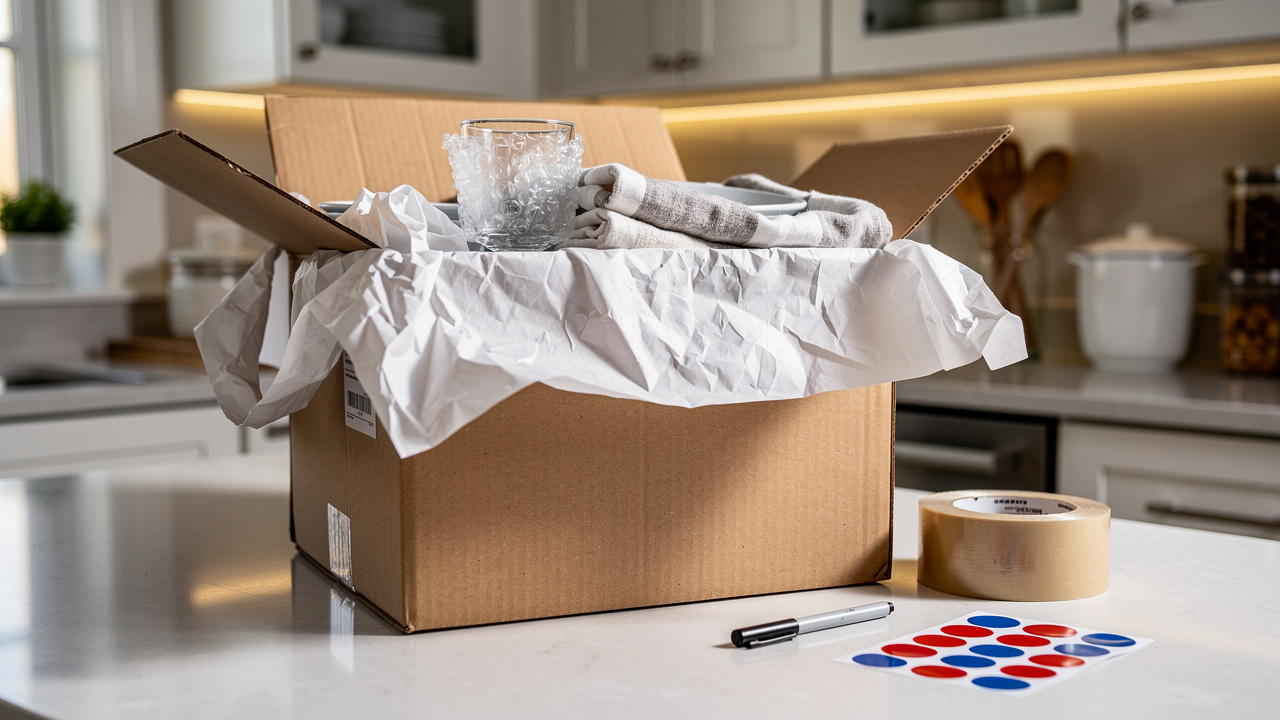
Good materials protect your belongings and make the move easier for anyone helping you. Sturdy, similar-sized boxes stack better in a truck and are safer to carry. We like packing paper for most items, since it pads fragile pieces and fills empty spaces without adding much weight.
Specialty boxes can be a wise investment, including:
- Wardrobe boxes with a hanging bar so you can move clothes straight from closet to closet
- Divided kitchen boxes that protect glasses and dishes
- Stretch wrap to hold drawers in place and shield delicate furniture from scuffs
- A simple mattress cover to keep dust and pests away from bedding while it travels
Spending a little more on quality packing materials can save you from broken items and extra stress later.
Tip 5 — Pack Room By Room And Avoid Overpacking
Packing room by room keeps the process simple and supports faster unpacking later. Start with seasonal decor, books, and off-season clothing, then move toward everyday items as moving day gets closer. Group similar items together so that when you open a box, its purpose is obvious.
Resist the urge to fill every box to the top with heavy things. Use smaller boxes for books and heavier items, and larger ones for pillows, linens, and plastic containers. Place the heaviest pieces at the bottom, lighter items on top, and fill any gaps with towels or clothing so nothing shifts in transit.
Tip 6 — Label Every Box On Multiple Sides
Clear labels save you hours of hunting later. Write the name of the destination room and a short description on the top and at least two sides of each box. That way, no matter how the box is stacked, someone can see where it belongs.
Many of our clients like a simple color system. Choose one color for each room, place a colored sticker or tape on every box for that room, and put a matching sign on the door at the new home. For sensitive items, you can keep the label general and write a more detailed list on the inside flap. These small steps turn labeling into one of the most helpful stress-free moving tips.
Tip #7–8 Prepare An Essentials Box And Keep Valuables With You
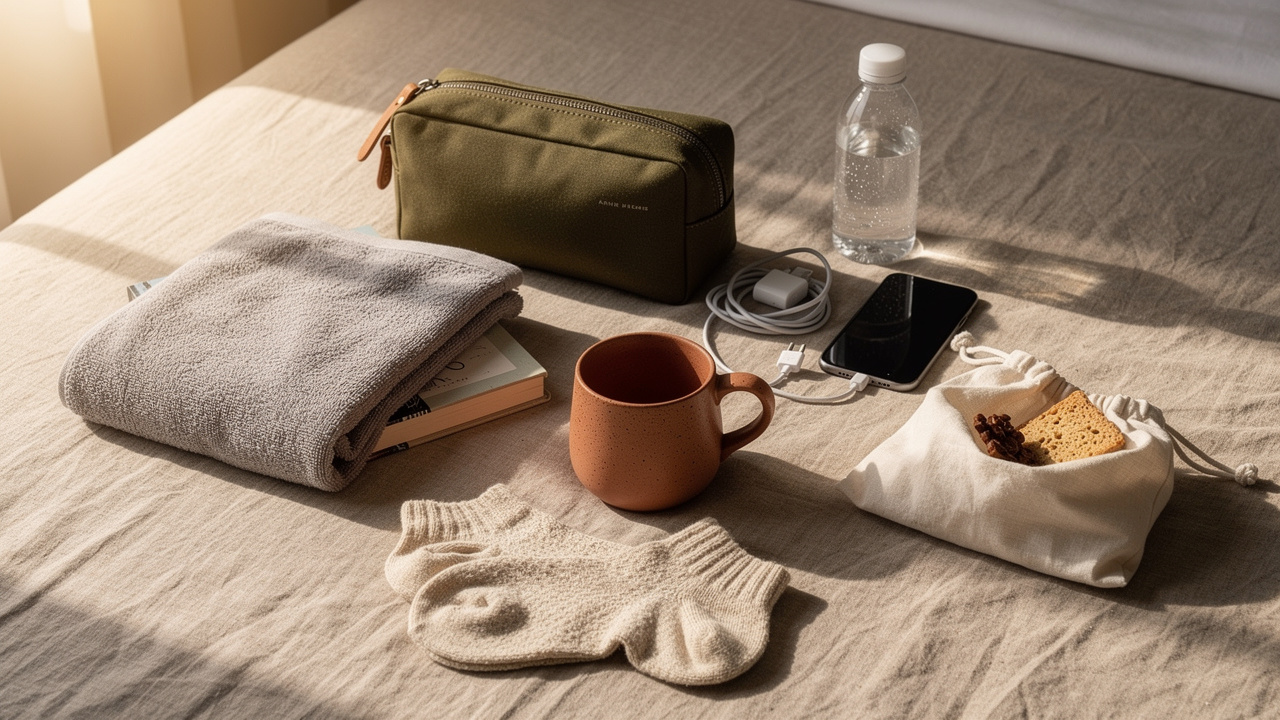
After a long day of hauling boxes, the last thing anyone wants is to dig through ten cartons just to find pajamas or a phone charger. These next stress-free moving tips create a soft landing in your new space and protect the things that matter most.
Tip 7 — Pack A First Night Essentials Box
Prepare one or two boxes or bags that hold everything you need for the first twenty-four to forty-eight hours. Think of this as a mini version of your home. Include:
- Toiletries and basic personal care items
- Simple kitchen supplies and easy meals or snacks
- A few changes of clothing
- Towels and sheets
- Any daily medications
Add chargers, a small lamp or flashlight, and anything that brings comfort such as a favorite blanket or coffee mug. If you have pets, place their food, bowls, leash, and a familiar toy in the same area so they can settle more easily. Keep these essentials with you in your vehicle, or have them loaded last so they are the first items off the truck.
Tip 8 — Keep Valuables And Important Documents With You
Some items should never ride in the moving truck. Jewelry, passports, birth certificates, wills, financial records, treasured photos, and small family heirlooms belong with you. Pack them in a clearly marked yet discreet bag that stays by your side from door to door.
If pets feel anxious with strangers and open doors, consider asking a friend or family member to keep them for the day or use a trusted pet hotel. Bringing them into the new home after movers leave creates a calmer, safer start. Knowing that your most precious items and companions are protected adds real weight to these stress-free moving tips.
Tip #9–10 Honor Your Emotions And Ask For Support

Most guides focus only on boxes and tape, yet we know that the emotional side of a move can feel even heavier. The last two stress-free moving tips focus on caring for your body, your heart, and the support team around you.
Tip 9 — Take Care Of Your Emotional And Physical Well-Being
Moving, especially from a long-time family home, can feel like running a marathon at a time when energy may already be low. Build regular breaks into your schedule and celebrate small wins such as finishing a room or booking a mover. Even a short walk around the block or ten minutes of gentle stretching can clear your head.
Good sleep, simple healthy meals, and enough water make a big difference when you are packing and making decisions. Grief, nostalgia, and worry are normal, not a sign that you made a bad choice. Talk with someone you trust, schedule video calls with family, or plan a small housewarming visit once you are settled. It also helps to remind yourself why you chose to downsize, such as easier upkeep, lower costs, or living closer to people and places you love.
“Allow yourself to feel sad about what you’re leaving, and hopeful about what you’re gaining. Both can be true at the same time.” — Downsizing Insights Client
Tip 10 — Do Not Go It Alone, Seek Expert Guidance
We created Downsizing Insights because we saw how much better moves go when people have caring, informed support. Our Downsizing Checklist and Readiness Self Assessment help you see where you stand and what to focus on first. Your 2026 Step-By-Step Downsizing Guide For A Stress-Free Move then walks you through each phase with steady, realistic steps.
Beyond the printed tools, we offer Move Management, Real Estate Support with agents who understand senior moves, and Personalized Guided Support when you want someone in your corner from start to finish. We also share city-specific guides for places such as San Diego, Denver, Columbus, and New York so you can understand local options. With the right team, these final stress-free moving tips turn from ideas into real help that carries you through the whole process.
Conclusion
A calm move does not happen by accident. The stress-free moving tips we have shared work best when you start early, make thoughtful choices about your belongings, and give as much care to your heart as you do to your to-do list. Each small step, from a simple checklist to a clearly labeled box, takes weight off your shoulders.
Downsizing often leads to lower bills, less upkeep, and more time and energy for the people and activities that matter. At Downsizing Insights, we stand beside you with tools, practical plans, and gentle guidance. If you are ready to turn these stress-free moving tips into action, start with our Readiness Self Assessment or our step-by-step guide. Your next chapter is waiting, and we would be honored to help you make the move with confidence.
FAQs
How Far In Advance Should I Start Planning A Stress-Free Move?
We suggest starting three to six months before moving day, especially for a larger home or a full downsizing. That window gives you time to sort, sell, donate, and complete paperwork without rushing. Even if you only have four to six weeks, a simple plan and a few stress-free moving tips from Downsizing Insights can still make a big difference.
What Is The Best Way To Handle Sentimental Items When Downsizing?
Letting go of meaningful items can feel heavy, and that feeling is normal. Many families take photos of special pieces, create small memory boxes, or pass treasured items to children or close friends. The only handle it once method helps avoid decision fatigue, because you decide each item’s future the first time you pick it up. When this feels hard, our Personalized Guided Support at Downsizing Insights offers gentle, step-by-step help.
How Can Downsizing Insights Help Me Move With Confidence?
Downsizing Insights focuses on the needs of seniors, empty nesters, and families in transition. We provide a Downsizing Checklist, a Readiness Self Assessment, Move Management help, Real Estate Support, and city-specific guides to explain local options. Many people begin with the Readiness Self Assessment or Your 2026 Step-By-Step Downsizing Guide For A Stress-Free Move, then add more support as needed. That mix of planning tools and caring guidance turns stress-free moving tips into real-world progress.
Take your next step forward
You've learned the essentials. Now get the tools to move with confidence and clarity.
.jpg)