
7 Powerful Benefits of Downsizing for Seniors

Introduction
Standing in a quiet house after the kids have moved out can feel strange. The rooms echo a little more, the closets are full, and the to‑do list seems longer every season. At the same time, the real benefits of downsizing for seniors can feel far away when every closet and drawer holds a memory.
We hear this mix of emotions every day at Downsizing Insights, and research confirms that the emotional challenges of downsizing and moving in later life are both common and significant. After years of raising a family, working hard, and building a home, it is normal to feel torn about changing it. Part of the heart says “hold on,” while another part whispers that the stairs, the yard work, and the costs are getting harder to keep up with.
Downsizing is not only about giving things up. It is about carefully choosing a home and a lifestyle that fit this stage of life. When we look at the real benefits of downsizing for seniors, we see more financial breathing room, safer spaces, deeper social connections, and a daily life that feels lighter instead of heavier.
“The ability to simplify means to eliminate the unnecessary so that the necessary may speak.”
— Hans Hofmann
In this guide, we will walk through seven life‑changing benefits of downsizing for seniors and show how this move can support both the head and the heart. We will also share a simple roadmap to get started, along with how Downsizing Insights’ readiness self‑assessment, city guides, and Get Support services can stand by your side at every step.
Key Takeaways
Before going deeper, it helps to see the big picture of what downsizing can offer.
- Downsizing can turn home equity into retirement security, while cutting monthly costs like utilities, property taxes, and insurance so money stretches further and stress eases.
- A smaller, right‑sized home cuts chores and clutter, which frees time and energy for travel, hobbies, health, and relationships instead of constant house work.
- Moving to a safer, more accessible space reduces fall risks, supports aging in place, and gives peace of mind to both seniors and their families.
- Decluttering and planning ahead put seniors in control of their future, ease the burden on adult children, and make the next chapter feel more intentional and hopeful.
Financial Freedom Through Smart Downsizing Decisions

Money is often the first place where the benefits of downsizing for seniors show up. For many, the house is the largest asset they own. Selling a bigger family home and moving to a smaller place can free a large amount of home equity that can support the rest of retirement.
A smaller home usually comes with smaller bills, such as:
- Lower heating and cooling costs because there is less space to manage
- Reduced property taxes if you move to a home with a lower assessed value
- Lower homeowners insurance premiums for a more modest condo, townhouse, or smaller single‑family home
- Fewer or smaller HOA fees, especially if you move to a community with shared services built into a predictable payment
There is also the chance to turn extra belongings into cash. Furniture that no longer fits, unused tools, or collections can be sold at a garage sale, through estate sales, or on online marketplaces. Many seniors use that income to:
- Cover part of the moving costs
- Pay for temporary storage, if needed
- Refresh their new home with items that truly fit
Of course, smart planning means looking at the full picture. Real estate commissions, moving costs, minor repairs, and any new furniture should all be counted. At Downsizing Insights, we encourage families to:
- Sit with a trusted financial adviser
- Use our guides to list both one‑time costs and ongoing savings
- Run a simple comparison of “cost to stay” versus “cost to move” over several years
In many cases, the long‑term financial benefits of downsizing for seniors far outweigh the short‑term expenses and bring real peace of mind.
Adopting A Simpler, More Fulfilling Daily Life
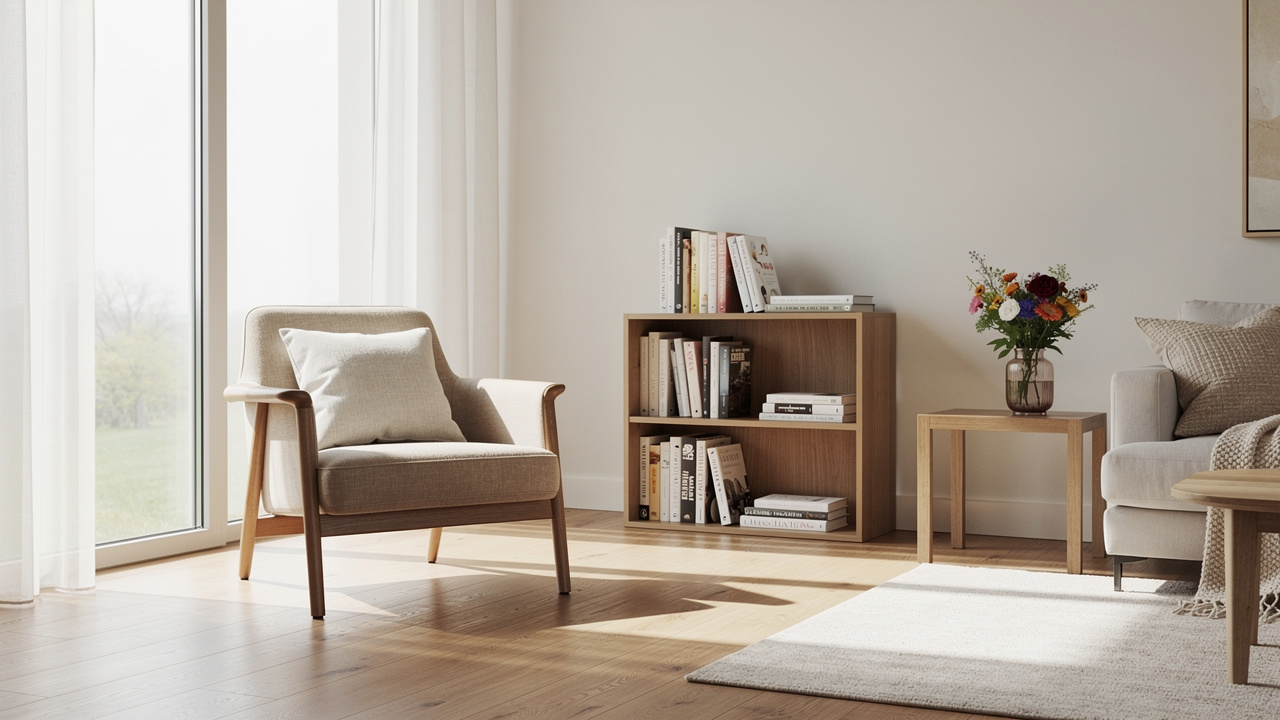
After decades of putting work, children, and home repairs first, many people reach a point where they want their days to feel easier. One of the biggest benefits of downsizing for seniors is the shift from a house that demands attention to a home that supports a calmer, richer life.
A large house almost always means more to clean, more to organize, and more to fix. Extra bedrooms, storage spaces, and a big yard sound nice on paper, yet they often sit half‑used while still asking for time and money. Moving to a smaller, carefully chosen home means:
- Fewer rooms to dust and vacuum
- Fewer bathrooms to scrub
- Fewer surprise repair projects and seasonal chores
That change creates something precious. It creates time:
- Time for morning walks, lunch with friends, or a quiet afternoon with a book
- Time to travel without worrying about pipes freezing or lawns drying out
- Time to focus on health, hobbies, faith, or volunteering instead of paperwork and repair calls
We often call this “right‑sizing.” Instead of living in a home designed for a different season of life, you live in one that fits now. With less physical and mental clutter, it becomes easier to notice what truly matters and to build days around people and activities that bring real joy.
“You can’t reach for anything new if your hands are still full of yesterday’s junk.”
— Louise Smith
Creating A Safer, More Accessible Living Environment

Safety is another powerful part of the benefits of downsizing for seniors. What once felt like a normal family home can, over time, turn into a maze of trip hazards, steep stairs, and tight hallways that do not match changing mobility needs.
Large homes that are full of furniture, rugs, and storage boxes increase fall risks. Narrow paths between chairs, cluttered hallways, and crowded garages can make simple tasks feel stressful. Downsizing gives a natural chance to clear out items, open up walkways, and choose a layout that is easier to move through with a cane, walker, or wheelchair.
Many seniors use this move to choose:
- A one‑level home
- A condo with an elevator
- A senior living apartment designed with accessibility in mind
These spaces often include step‑free entries, wide doorways, and bathrooms that are much easier to use. Adding safety features is usually simpler and less expensive in a smaller space, such as:
- Grab bars in showers and near toilets
- Non‑slip flooring and secure rugs
- Brighter, layered lighting in halls, stairs, and bathrooms
A right‑sized, decluttered home also makes it easier to bring in help if it is needed later. There is more room for assistive devices and even for a live‑in caregiver or family member. Senior communities add another layer of safety with emergency call systems, on‑site staff, and well‑maintained common areas.
When we talk with families, they often say this safety aspect of the benefits of downsizing for seniors brings as much comfort as the financial side.
“Aging is not lost youth but a new stage of opportunity and strength.”
— Betty Friedan
Building Stronger Social Connections And Community

Loneliness can sneak up after retirement or when the last child has moved out. Long commutes and kid activities may be gone, but so are many built‑in social moments. Living alone in a big house on a quiet street can leave seniors feeling more isolated than they expected.
Downsizing offers a way to change that story on purpose. Moving to a smaller home closer to town, or to a building with shared spaces, naturally brings people nearer. Neighbors pass by more often. Coffee shops, libraries, parks, and community centers become easier to reach, which means more simple chances to chat and connect.
A tidy, welcoming home also makes it easier to invite people over. When the main living area is open and uncluttered, hosting a grandchild for a sleepover or friends for cards feels less stressful and more fun. This is another quiet but real part of the benefits of downsizing for seniors.
For many, senior living communities go even further. These communities are designed so residents can find friends without feeling awkward, often offering:
- Classes and clubs
- Game nights and movie nights
- Outings, fitness programs, and holiday events
Some seniors choose to downsize mainly to be closer to adult children or grandchildren. In each case, the move supports stronger ties, better moods, and better health.
Eliminating The Burden Of Home Maintenance And Chores
A big house does not just hold memories; it also holds a long list of chores. Cleaning many rooms, mowing a large yard, trimming bushes, raking leaves, clearing snow, and calling repair people can start to feel like a second job. As bodies change, those tasks can become harder and more risky.
One of the most immediate benefits of downsizing for seniors is relief from this constant work. A smaller home has:
- Fewer floors to mop and vacuum
- Fewer windows to wash
- Less furniture and decor to dust
A small patio or shared courtyard is much easier to enjoy and care for than a half‑acre lawn.
For seniors who move into a retirement or senior living community, the difference can be dramatic. Staff often handle:
- Landscaping and lawn care
- Snow removal and exterior repairs
- Bigger projects such as roof, siding, or elevator maintenance
Many communities also include housekeeping and even laundry. Weekends that were once filled with chores open up for family visits, rest, or fun.
There is also less worry about big surprise costs such as roof replacement or major plumbing fixes. With fewer systems to manage, and sometimes with building maintenance built into a monthly fee, the mental load drops. That lighter load is a key reason many families point to home maintenance when they talk about the benefits of downsizing for seniors.
The Emotional And Psychological Rewards Of Decluttering

Sorting through decades of belongings is emotional work. Every box, photo, and keepsake can bring a memory to the surface. Many seniors fear this part of downsizing the most. Yet time after time, we see that the emotional and mental rewards are some of the strongest benefits of downsizing for seniors.
Living in a cluttered space can add quiet stress day after day. Stacks of papers, overfilled closets, and rooms used only for storage send a constant message that there is work waiting. Clearing out what no longer serves the current stage of life creates a sense of calm and control.
A cleaner, more organized home can also support physical health. Less clutter means less dust and fewer allergens, which can improve breathing and sleep. It becomes easier to find important items like medications, legal papers, and medical records when they have clear places.
There is also deep meaning in choosing what happens to special items:
- Donating furniture or household goods can help families in need.
- Passing heirlooms to children or grandchildren while you are here to share the story behind them adds a loving layer that no estate plan can match.
- Creating photo books or digital albums of treasured objects keeps the memory alive without taking up space.
At Downsizing Insights, we often remind families that this process does not erase the past but instead involves refashioning one's place in time through stories and meaningful connections to belongings. It honors the past while opening space for new memories in a home that fits life now. For some, talking with a counselor, faith leader, or close friend during this stage also brings comfort and support.
Taking Control Of Your Future With Proactive Planning
Downsizing is not only about the present; it is also a powerful way to care for your future self. When we look at the long‑term benefits of downsizing for seniors, planning ahead stands near the top of the list.
Starting the downsizing process while health is stable gives room to make clear, thoughtful choices. There is time to:
- Compare living options and costs
- Tour communities and neighborhoods
- Talk openly with family members
- Work through emotions without the pressure of a health crisis
If a time comes when more support is needed, there will already be fewer belongings to move and manage. That makes any later shift to assisted living, memory care, or a relative’s home much easier on everyone. It also means important decisions about heirlooms and keepsakes were made by the person who cared about them most.
Moving closer to medical offices, grocery stores, and pharmacies can also save energy and reduce driving. Many retirement communities include transportation, which keeps appointments and shopping simpler. All of this adds up to more control, more dignity, and fewer heavy decisions left on the shoulders of adult children.
Getting Started: Your Practical Downsizing Roadmap
Knowing the benefits of downsizing for seniors is one thing; knowing how to begin is another. The process can feel large, but when it is broken into clear steps, it becomes far more manageable.
At Downsizing Insights, we encourage people to start with a simple written plan:
- Pick a target move window (even if it is flexible).
- Think about possible next homes and locations.
- Block out some regular time each week for downsizing tasks.
Then move forward step by step instead of trying to do everything in one push.
Step 1: Evaluate And Envision
The first step is stepping back. Walk through the current home and notice which rooms are used often and which ones mostly store things. This honest look shows where the extra space really is.
Next, gather information about the next home, even if it is only a likely choice. Ask for a floor plan, measure key walls and doorways, and picture where favorite pieces of furniture might go. It can help to:
- Mark furniture placement on a printed floor plan
- List “must‑keep” items that truly matter to you
- Note any safety changes you want in the new space
Use this picture as a guide so it is easier to decide what clearly fits the future and what does not.
Step 2: Create Your Timeline And Sort Deliberately
Set a gentle but steady timeline. Many families pick one room or even one closet per week so progress keeps moving without feeling harsh. Small wins add up faster than most people expect.
As items are sorted, use simple groups such as:
- Keep
- Give to family
- Donate
- Sell
- Discard
Be honest about what is still used and loved versus what is simply there out of habit. The more carefully this step is done, the lighter the move will feel. If a certain category (like photos or paperwork) feels overwhelming, save it for later and start with easier spaces such as linens or kitchen duplicates.
Step 3: Involve Loved Ones And Seek Professional Support
Downsizing does not need to be a solo task. Asking children, grandchildren, or close friends to help can turn sorting days into story days. Sharing the history of favorite items gives everyone a chance to laugh, remember, and choose meaningful keepsakes.
Professional support can also make a huge difference. Senior move managers, estate sale companies, and organizers understand both the practical and emotional sides of this work and can:
- Create a detailed move plan
- Coordinate packing, moving, and unpacking
- Manage donations, sales, and hauls
Through Downsizing Insights, we connect families with city‑specific guides, detailed checklists, and our readiness self‑assessment, which covers emotional, financial, and practical readiness. Our Get Support service links you with real estate agents and move management resources who focus on senior moves, so the process feels guided instead of overwhelming.
Conclusion
Downsizing is one of the most personal choices many seniors and families will ever make. It touches money, memories, health, and daily routines. When we step back and look at the full picture, the benefits of downsizing for seniors reach far beyond a smaller floor plan.
A right‑sized home can bring financial breathing room, simpler days, safer spaces, better social ties, fewer chores, and a clearer mind. Thoughtful planning also protects future comfort and reduces hard decisions for adult children. You are not shrinking your life; you are clearing room for what matters most in this next chapter.
At Downsizing Insights, we see downsizing as a chance to design the retirement lifestyle that fits your needs, your values, and your energy in 2026 and beyond. With a clear plan, steady support, and practical tools, this move can be calm, organized, and even hopeful.
If this is on your mind, your first step can be small. Explore our city‑specific guides, download the downsizing checklist, or complete our readiness self‑assessment to see where you stand. When you are ready for more hands‑on help, our Get Support services can connect you with local experts who understand senior moves. You have spent years building a life and a home. Now is the time to shape a next chapter that feels lighter, safer, and truly your own.
“Have nothing in your houses that you do not know to be useful or believe to be beautiful.”
— William Morris
FAQs
Question: When Is The Right Time To Start Thinking About Downsizing?
The best time to think about downsizing is before life forces the issue. Many seniors begin exploring options three to five years before they expect to move.
Good clues that it may be time include:
- Feeling that the home is too large or partly unused
- Noticing that upkeep is tiring or stressful
- Wanting to be closer to family, health care, or social activities
- Worrying about stairs, fall risks, or rising housing costs
Our Downsizing Insights readiness self‑assessment can help you see how emotionally, financially, and practically ready you are.
Question: How Do I Decide What To Keep And What To Let Go Of?
Start with the space you are moving into so you know your limits. A floor plan and a few measurements make it clear how many large items will realistically fit.
Then use a simple test and keep what you use often or truly love. For sentimental items:
- Take photos or scanned copies to hold the memory without taking physical space.
- Create a small memory box for each child or grandchild.
- Limit keepsakes to a set number of bins or shelves.
Involving family lets them claim heirlooms they care about and can make letting go feel kinder rather than painful.
Question: What Should I Do With Family Heirlooms No One Wants?
First, talk openly with children, grandchildren, and close relatives, since they may care about different items than expected. Try sharing the stories behind pieces; sometimes the story matters more than the object.
If pieces still remain:
- High‑quality items can be donated to charities, shelters, churches, or furniture banks where they will help others.
- Select pieces can be sold through consignment, auction, or an estate sale.
- Local history museums or theater groups may accept certain items such as antiques or period clothing.
Taking photos before parting with heirlooms keeps the visual memory, even when the item finds a new home.
Question: How Much Does Downsizing Typically Cost?
Costs vary with distance, home size, and how much help is used. Common expenses include:
- Real estate commissions
- Some repairs or staging to help the home sell
- Moving services and packing materials
- Possibly short‑term storage
- New furniture or safety upgrades that fit the next home better
At the same time, many families find that selling unused items brings in helpful income, and that long‑term savings on utilities, taxes, insurance, and maintenance are significant. A financial adviser can help compare upfront costs against long‑term savings for your exact situation.
Question: Will I Regret Downsizing And Miss My Old Home?
It is very natural to feel some sadness and nostalgia, especially at first. Yet many people tell us that, after a short adjustment period, they feel lighter and relieved.
To reduce regret:
- Plan the move on your own timeline whenever possible.
- Choose a home that truly fits this stage of life and your daily routines.
- Bring your most loved furniture, photos, and decor so the new place feels familiar.
- Keep favorite traditions—such as holiday dinners or Sunday visits—even if they look a little different.
Focusing on what you gain, such as more freedom, safety, and connection, rather than only what you leave behind, also helps. As new routines and memories form in the new space, the decision tends to feel more and more right.
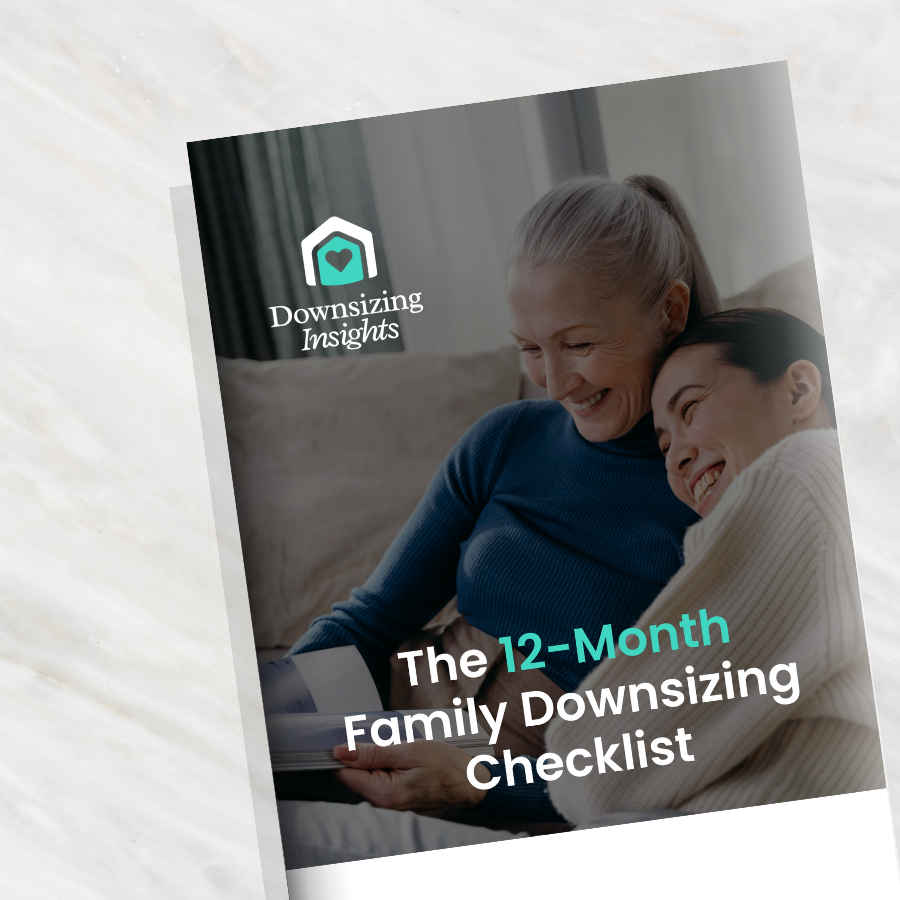
Take your next step forward
You've learned the essentials. Now get the tools to move with confidence and clarity.
.jpg)