
Transitioning to Assisted Living: A Family Guide

Introduction
A parent forgets a pot on the stove. Another day, the mail stacks up and the grass in the yard grows higher than usual. For many families, these small moments are the first quiet signs that transitioning to assisted living may soon be on the horizon.
This step is one of the hardest decisions a family shares. For an older adult, it can stir fear of losing independence, identity, and the home that holds decades of memories. For adult children, it often brings worry, second‑guessing, and a heavy sense of guilt about whether moving to assisted living is the right call.
Yet this move can also bring more safety, better social life, and real peace of mind. When families understand the signs, talk openly, choose a good community, and plan ahead, transitioning to assisted living can feel less like a loss and more like a thoughtful next chapter.
At Downsizing Insights, we meet families at every stage of this process and offer tools, checklists, and guides to support each step. By the end of this article, the process should feel clearer, and the next step for your family should feel more manageable.
“Aging is not lost youth but a new stage of opportunity and strength.” — Betty Friedan
Key Takeaways
- Acting early is kinder than waiting for a crisis. Watching daily life, spotting patterns, and planning transitioning to assisted living ahead of time gives everyone more choice and less panic.
- Honest, calm talks make a huge difference. When families listen, include the senior, and manage their own emotions, moving to assisted living protects both safety and family harmony.
- Strong planning turns a hard move into a steady one. Thoughtful community tours, clear cost questions, early downsizing, and organized logistics help the move feel like a planned chapter instead of an emergency.
How To Know When It's Time: Recognizing The Signs
Families rarely wake up one morning and decide on transitioning to assisted living after a single event. More often, they notice a slow change in how daily life works for a parent or older loved one. Looking for patterns across several areas removes some of the guesswork and blame that can weigh everyone down.
Think of this as an ongoing checklist rather than a one‑time test. A small slip here and there is normal. Growing trouble in several areas over months is when assisted living may offer real safety and relief.
Home and household tasks. Piles of mail, unpaid bills, or spoiled food can signal that everyday tasks are getting away from your loved one. Clutter, loose rugs, or dark stairways can become serious fall risks. A house that once ran smoothly may now feel out of control.
Personal care and hygiene. If bathing happens less often, clothes are stained, or teeth brushing falls off, daily self‑care may be too hard to manage alone. Some older adults avoid showers because they fear slipping and do not want to admit it. In assisted living, simple help with bathing and dressing can protect both health and dignity.
Meals and nutrition. Skipped meals, burned pans, or living on snacks instead of real food can lead to weakness and illness. Cooking that was once a joy may now feel confusing or unsafe. In a community, regular prepared meals and gentle reminders remove that strain.
Physical health and movement. New bruises, unexplained marks, or “near falls” are warning signs. Struggling with stairs, getting out of chairs, or walking across a room hints that the home may no longer match their body. Assisted living usually offers flat hallways, grab bars, and quick help if something goes wrong.
Memory and thinking changes. Missed medications, confusion with money, or getting lost on familiar routes show that fully independent living may no longer be safe. These changes are frightening, yet they are exactly what staff in assisted living see and support every day.
Mood and social life. A parent who once loved visits may now avoid phone calls, church, or clubs. They may seem more irritable, anxious, or withdrawn. Loneliness at home is very common, and moving into a community can restore connection and a sense of purpose.
Driving and transportation. New dents on the car, traffic tickets, or fear of night driving suggest real risk. If your parent stops going out because they do not feel safe to drive, life shrinks and isolation grows.
If several of these signs show up at the same time, transitioning to assisted living is not a sign of failure. It is a caring, proactive choice to protect safety, health, and meaningful connection.
Downsizing Insights offers a Readiness Self‑Assessment that helps families look at these areas together and see, on paper, whether a move should be part of the plan.
How To Have The Conversation And Navigate The Emotional Process

Once the signs are clear, the hardest part is often starting the talk about transitioning to assisted living. For many older adults, this conversation feels like a threat to independence and identity. They may fear being forgotten, judged, or “put away,” especially if they already notice their own decline.
Adult children often feel pulled in two directions. One part wants to keep life exactly as it is, while another lies awake at night, afraid of falls, fires, or scams. Siblings may disagree, and old family roles can snap back into place under stress. Assisted living decisions sit right in the middle of all these feelings.
A few simple habits can keep the conversation kinder and more steady:
Include your loved one from the very first step. Share what you have noticed and why you worry, and ask how life feels from their side. Use “we” language so it is clear you are on the same team. Treat transitioning to assisted living as something you are exploring together, not a plan you already decided.
Speak honestly without pushing. It is fine to bring up falls, unpaid bills, or missed medications, as long as the tone stays calm. Explain that your goal is safety and peace for everyone, not control. When trust is strong, the idea of assisted living feels more like a real option than a threat.
Listen more than you talk. Let your parent share fear, anger, or sadness without rushing to fix it. They may insist they are fine or complain that you are “nagging.” Thank them for being open, and ask what matters most to them in any new place.
Manage family dynamics on purpose. Expect disagreements between siblings about money, timing, or which community to pick. When talks stall, bring in a neutral person such as a senior care professional, social worker, or trusted faith leader. Their voice can lower tension and keep everyone focused on what is best for the parent.
“The biggest communication problem is we do not listen to understand. We listen to reply.” — Stephen R. Covey
These talks are heavy, and that weight sits on adult children too. Guilt, grief, and stress are common when a parent starts transitioning to assisted living. Taking care of sleep, health, and support for yourself is part of being a good advocate.
Downsizing Insights offers webinars and articles from senior care specialists with sample scripts, common sticking points, and realistic ways to keep these conversations respectful and steady.
How To Choose The Right Assisted Living Community

Once everyone agrees that transitioning to assisted living should move forward, the next question is where. Starting this search before an emergency gives time to compare options, include your loved one, and avoid rushed choices that may not fit — a point underscored by findings in the Seniors in Transition report, which explores how care pathways across the continuum affect long-term outcomes.
Before touring, sit down as a family to answer a few key questions. This turns a huge decision into a clearer plan:
What level of care is needed now? Do they mostly need help with housekeeping and meals, or do they also need support with bathing, dressing, or memory issues? Honest answers guide you toward the right type of assisted living community or memory care.
What is a realistic monthly budget? Include income, savings, and any long‑term care insurance or veterans benefits. Knowing the range ahead of time keeps families from falling in love with a place that stretches money too far.
Where should the community be located? For many, being close to one main family member works best. That person can visit often, attend care meetings, and respond quickly if needs change.
What future needs are likely? If memory issues or serious health problems are expected, a community that also offers memory care or a higher level of care can prevent another disruptive move later.
With this family picture in mind, you are ready to research and tour. Use online searches and phone calls to build a short list of communities that match your care level, budget, and location. Then schedule in‑person or virtual tours, and try to see more than one place so you can compare.
During each visit, look beyond the brochure:
Watch the staff in action. Notice whether they speak to residents with warmth and respect. Ask how they keep in touch with families during move‑in and day‑to‑day life.
Check the building and rooms. Hallways should be clean, bright, and easy to walk. Ask about safety features, from call buttons in rooms to security at entrances, so you know how your loved one will stay safe.
Ask about daily life. Look at activity calendars, fitness options, clubs, and outings. A good fit means your parent can keep or regain hobbies, spiritual life, or social habits they care about.
Get a clear picture of costs. Find out whether pricing is all‑inclusive or based on care levels that rise with added help. Ask which pieces may be covered by personal funds, long‑term care insurance, veterans benefits, or Medicaid, and which cannot.
Before deciding, try a second visit to your top choice. Share a meal, attend an activity, and give your parent time to react and ask questions.
Downsizing Insights offers city‑specific guides for places such as San Diego, Denver, Los Angeles, New York, Columbus, and San Jose, along with connections to real estate specialists who understand senior housing. These resources give families local context while they compare communities and plan transitioning to assisted living.
How To Manage The Move: Downsizing, Logistics, And Planning

Once a community is chosen, the move itself becomes the focus. Transitioning to assisted living is much smoother when families start planning three to six months ahead. That extra time allows everyone to make thoughtful choices instead of rushed ones.
Downsizing a lifetime of belongings is often the hardest part. A clear plan and gentle pace help an older adult feel respected rather than pushed:
Start with easier items. Clothes, extra kitchen tools, and old paperwork are usually simpler to sort. Donate or discard what is worn out, and keep only what fits the new space.
Invite family members to choose items they love. This keeps cherished pieces in the family and lets your loved one see that favorite furniture, dishes, or photos will live on. It can also turn a sad task into moments of story‑sharing.
Sell valuable items when it makes sense. Estate sales, consignment, or online sales can bring in money to help with moving costs or monthly assisted living fees.
Create a small box for sentimental leftovers. Letters, photos, and small mementos can go into a clearly labeled box stored by a family member. This helps your loved one agree to let items leave the house without feeling that memories are thrown away.
Use short‑term storage if needed. A small storage unit can buy time when the schedule is tight. Once your parent is settled and calm, you can sort those stored items together at a slower pace.
The largest asset is often the home itself. Selling the house may be needed to pay for care, and this step has its own stress. A real estate agent who specializes in senior moves understands timing, pricing, and how to show a home while someone is preparing for assisted living.
Alongside downsizing, there are many small but important details:
Create a simple timeline. Mark move‑out and move‑in dates, packing weekends, final tours, and key meetings with the community on a shared calendar.
Handle accounts and services early. Cancel or transfer cable, internet, and utilities that the community will now provide. Forward mail and update addresses with banks, doctors, and subscriptions so nothing gets lost.
Assign roles within the family. One person can be the main contact with the community, another can lead packing and movers, and another can focus on time with the senior. Clear roles keep important tasks from slipping through the cracks.
“By failing to prepare, you are preparing to fail.” — Benjamin Franklin
Downsizing Insights provides a detailed Downsizing Checklist and Move Management resources that walk through these steps. With structure and support, transitioning to assisted living becomes a series of small, doable tasks instead of one giant, overwhelming leap.
Conclusion

Transitioning to assisted living touches every part of family life. It stirs deep feelings, raises hard questions about safety and independence, and asks everyone to see the future a little differently. Yet with clear signs, open talks, thoughtful research, and early planning, this move can bring real relief for both the senior and their family.
No one has to figure this out alone. Downsizing Insights was created to guide families through each stage, from the first Readiness Self‑Assessment, to city‑specific guides and real estate support, to our Downsizing Checklist and Move Management tools. Our educational webinars and blog articles share practical insight from senior care and housing experts who walk this road every day.
If transitioning to assisted living is on your mind, let this be your starting point, not a source of panic. Explore the resources from Downsizing Insights, share them with your family, and take the next small step toward a safer, calmer, and well‑planned next chapter for the person you love.
FAQs
These common questions often come up once families start to think seriously about transitioning to assisted living. Clear answers can make the next step feel less confusing and far less lonely.
How Long Does Transitioning To Assisted Living Typically Take?
The timing varies widely. When families start early, three to six months is a comfortable window to research communities, downsize, and sell a home if needed. Some moves happen in a few weeks after a fall or health event, but those tend to be more stressful and more expensive. Early planning gives more control over both costs and emotions.
How Do I Help A Parent Who Resists Moving To Assisted Living?
Resistance is very common when families first raise the idea of transitioning to assisted living. Start by listening and repeating back what you hear so your parent feels understood, not argued with. Involve them in tours, questions, and choices, even if progress is slow. A neutral guide such as a senior care professional or social worker can help ease tension and support more productive talks.
What Does Assisted Living Typically Cost And How Is It Paid For?
Costs for assisted living differ by state, city, and level of care. Many families use a mix of income, savings, and money from selling a longtime home, along with long‑term care insurance or veterans benefits when available. Medicare usually does not cover assisted living, though it may cover medical care outside the community. A senior‑focused financial advisor or real estate specialist can help map out the best funding plan for your situation.
How Can Downsizing Insights Help With The Transition To Assisted Living?
Downsizing Insights focuses on the full process of transitioning to assisted living, not just the move itself. We offer a Readiness Self‑Assessment, a detailed Downsizing Checklist, and city‑specific guides that explain local senior housing choices. Families can connect with real estate professionals who specialize in senior moves and who bring trusted networks of organizers and estate planners. Our webinars and blog content add step‑by‑step guidance so each family can move forward with knowledge, support, and far less stress.
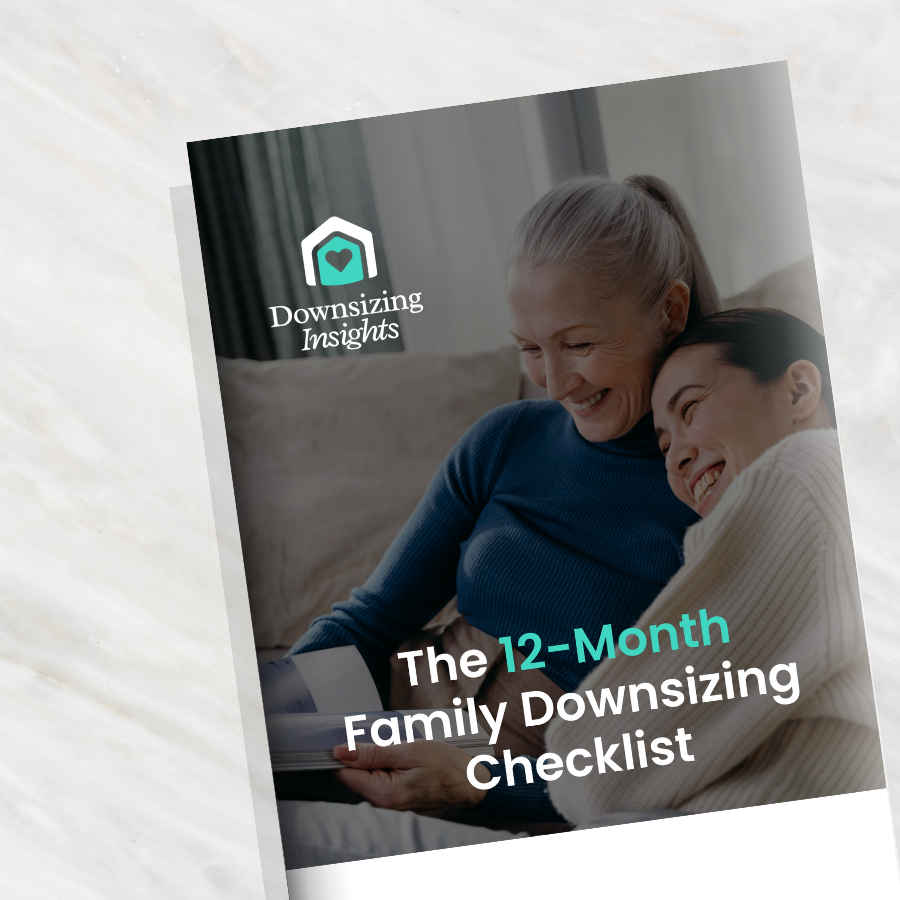
Take your next step forward
You've learned the essentials. Now get the tools to move with confidence and clarity.
.jpg)