
What Is Rightsizing for Seniors? A Clear Guide

Introduction
When people ask us what is rightsizing for seniors, we picture someone standing in a full living room, surrounded by boxes, photos, and furniture from many seasons of life. The house feels too big to care for every day, yet too full of memories to change quickly.
For years, the word downsizing has sounded like giving things up. Rightsizing is different: it means bringing your life and your space back into sync.
In this guide from Downsizing Insights, we explain what is rightsizing for seniors, why it matters, and how to start without feeling overwhelmed.
Key Takeaways
- Rightsizing focuses on fit, not loss. The goal is to match your home and belongings with the way life looks now, turning a hard decision into a thoughtful, planned choice.
- Signs that it may be time include health changes, big life shifts, unused rooms, and constant stress about upkeep or clutter. Noticing these early keeps later changes from feeling rushed.
- Done well, rightsizing for seniors can lower monthly costs, reduce housework, improve safety, and create more chances to be social and active.
- A smooth plan depends on emotional readiness, clear goals, and small, steady steps. Guidance from Downsizing Insights adds structure, checklists, and trusted support so you do not have to do it alone.
What Is Rightsizing for Seniors?
Many people search what is rightsizing for seniors expecting to hear, "It just means downsizing." We see something more thoughtful than that. Rightsizing is the planned process of adjusting your living space and belongings so they match your current needs, health, and plans for the next several years. It is less about square footage and more about daily life.
Traditional downsizing often happens under pressure from money, health, or maintenance. Rightsizing turns the question around: What kind of days do you want now? Once that picture is clear—travel, time with grandkids, quiet hobbies, being more social—home and possessions are shaped to support it.
For some seniors, rightsizing means moving to a smaller home or apartment. For others, it means staying put but clearing extra rooms, adding safety features, or hiring help for yardwork and cleaning. Whatever form it takes, rightsizing for seniors is a shift from "getting rid of stuff" to choosing what matters most so your home feels lighter, safer, and easier to enjoy.
How to Know When It's Time to Consider Rightsizing

There is no magic birthday when rightsizing should happen. The right moment is less about age and more about how well your home fits daily life. If it feels like too much to manage, it may be time to give rightsizing serious thought.
One helpful tool for understanding where you are in this journey is a downsizing readiness self-assessment, which can help you identify key factors in your situation and determine if rightsizing makes sense for you right now.
Major Lifestyle Transitions
Big life changes often provide the first nudge toward rightsizing for seniors. Retirement can turn a busy work‑centered week into one focused on hobbies or rest, while children moving out can leave extra bedrooms closed most of the time. A health shift or the loss of a spouse may make caring for a large home alone feel heavy. When life changes but the house stays the same, that mismatch is a strong signal to rethink your space.
Physical and Maintenance Challenges
Sometimes the house itself sends the clearest message. Many seniors tell us their stress comes less from moving and more from the stuff and chores. Signs to watch for include:
- Closets and cupboards so full that it is hard to find everyday items
- Clutter on counters and floors that never seems to disappear
- Long to‑do lists for repairs, yardwork, snow removal, or heavy cleaning
Add in rising costs for roofs, furnaces, and old appliances, and it can feel as if you are working for the house instead of the other way around.
The Desire for Freedom and Simplicity
Not every sign is dramatic. You might simply feel a quiet wish for less to manage and more time to enjoy. Many people reach a stage where possessions and chores feel like weight, while experiences feel more important. In those moments, asking what is rightsizing for seniors for me personally? opens the door to a home that gives back time, energy, and peace of mind instead of constantly demanding both.
The Compelling Benefits of Rightsizing for Seniors
When rightsizing is done with care, the benefits reach far beyond having fewer boxes or a smaller house. They show up in your budget, daily routine, safety, and even mood.
Financial Relief and Flexibility

One of the biggest changes many seniors notice is in monthly expenses. A smaller or more efficient home often means:
- Lower property taxes, utility bills, and insurance
- Fewer surprise repair costs
- Less money spent on yardwork, cleaning, or maintenance help
Selling a larger family home can also free housing equity to support retirement savings, medical care, travel, or gifts to family. For those who move to a senior living community, many expenses roll into one predictable monthly fee, which can bring real peace of mind. Working with a real estate specialist experienced in senior transitions can help you navigate these financial decisions and understand your options for maximizing the value of your current home.
More Free Time and Less Stress
A rightsized home is simply easier to care for. Fewer rooms and a smaller yard mean less vacuuming, fewer bathrooms to scrub, and shorter to‑do lists. Many people gain hours each week for friends, hobbies, or pure rest. With clearer surfaces and less clutter, your home starts to feel like a place to recharge again instead of a constant reminder of chores.
Improved Safety and Accessibility
Health and safety are central to any honest talk about rightsizing for seniors. A more compact, well‑arranged home can reduce fall risks by removing trip hazards, extra furniture, and steep stairs. Many seniors also look for features such as walk‑in showers, grab bars, wider doorways, and better lighting. Knowing that your space is set up to support you as you age can ease worry for both you and your family.
Enhanced Social Connections

Rightsizing can bring you closer to others, not farther away. Moving to a walkable neighborhood, condo building, or senior community often means more casual contact with neighbors and friends. Many communities offer classes, clubs, and shared spaces that make it easier to meet people. For those who have felt isolated in a quiet, spread‑out house, this new connection can be a major reward of rightsizing.
Important Factors to Consider Before You Start
Before you sort a single box, step back and look at the bigger picture. Rightsizing touches emotions, finances, and family dynamics, so a bit of planning goes a long way.
Emotional Preparedness
Letting go of a long‑time home or many belongings stirs up real feelings. It is normal to feel sadness, nostalgia, worry, and even relief. Items around the house often represent children growing up, holidays, or favorite trips. A strong support circle of family, friends, or a professional organizer can make those moments easier.
As one Downsizing Insights client told us, "Letting go hurt for a little while, but the lightness I feel now is worth every tough decision."
Focusing on the life you are moving toward, not just what you are leaving, can help those emotions settle.
Financial Planning
Money questions deserve clear attention before any big move. Start by listing the full cost of staying where you are, including:
- Mortgage or rent, property taxes, and insurance
- Utilities and regular maintenance
- A realistic allowance for larger repairs such as roofs or heating systems
Then compare those numbers with the costs of smaller homes, condos, or senior living communities you are considering. Many people find that rightsizing lowers both ongoing expenses and the risk of big surprise bills. A conversation with a financial advisor can show how selling a home and changing housing costs fit into your overall retirement plan.
Creating a Realistic Timeline
Rightsizing takes time, especially when you have lived in one place for many years. Trying to compress decades of belongings into a few weekends almost always leads to exhaustion and regret. When possible, think in terms of several months, not days. Break the work into rooms and small tasks, write them on a calendar, and schedule rest days. A steady, paced approach protects both your energy and your decision‑making.
How to Start Rightsizing With Confidence: A Step-By-Step Guide

Knowing that rightsizing is a smart idea is one thing; knowing how to begin is another. A clear, simple plan turns a project that feels overwhelming into a series of manageable steps.
Step 1: Define Your Goals and Your "Why"
Before you sort anything, write down what you want from rightsizing for seniors: less clutter, fewer bills, a safer space, or living closer to family. Then ask why each goal matters—more time with grandkids, less worry about repairs, or peace of mind for adult children. Keep that list where you can see it; on hard days, it reminds you what you are working toward.
Step 2: Tackle One Room at a Time
Trying to clear the whole house at once can drain anyone. Instead, choose one room and stay with it until it is finished. Many people start with spaces where progress is easy to see, such as a bedroom, living room, or kitchen, and save basements, attics, and garages for later. Each completed room gives you a small win and momentum for the next space.
For a detailed approach to breaking down the work, our comprehensive downsizing checklist guides you through each phase of the process, from planning to move day and beyond.
Step 3: Sort Every Item Using a Clear System
A simple sorting system keeps decisions from turning into chaos. As you work through each room, place items into four groups:
- Keep: Used often or deeply meaningful in your next home
- Gift: Items you want to pass to family or close friends
- Donate or Sell: Things in good condition that no longer fit your life
- Discard or Recycle: Broken, worn‑out, or unsafe items
Making a decision for each item—rather than building a big "maybe" pile—keeps the process moving.
Step 4: Apply Practical Decision-Making Strategies
A few small rules can make hard choices easier. Start with duplicates, since they are often simple to release: extra sets of dishes, similar coats, or spare linens. Use a one‑year rule for everyday items—if you have not used something in the past year and it is not legally or medically important, it can probably go. For sentimental pieces, rank favorites and consider taking photos or scanning documents so you keep the memory without storing every object.
Step 5: Plan for Your New Space
If a move is part of your plan, details about the new home will guide your decisions. Ask for a floor plan and, if possible, measure key rooms and storage areas. Sketch where large furniture might go so you can see what will truly fit. Knowing that a beloved table or cabinet simply has no place in the new layout can make it easier to let go or pass it along with love.
Step 6: Get the Help You Need
Rightsizing is a big project, and there is no prize for doing it completely alone. Invite family or friends to help with lifting, sorting, and sharing memories as you go. Many seniors also hire professional organizers, movers, or cleaners to reduce physical strain.
For those who need more comprehensive support, a professional move manager can coordinate every aspect of your move. Downsizing Insights adds another layer of support with readiness assessments, planning tools, and connections to trusted organizers, movers, and senior‑focused real estate specialists, so you have a team you feel good about.
How Downsizing Insights Helps You Rightsize With Confidence
Even with a clear picture of what is rightsizing for seniors, it can be hard to start. Downsizing Insights offers readiness assessments, planning tools, and city‑specific guides that walk through decluttering, home sales, and senior living options. We also connect you with trusted organizers, movers, and senior‑focused real estate specialists, giving you clear information and a reliable team—never pressure.
Frequently Asked Questions About Rightsizing for Seniors
Here are quick answers to common questions about rightsizing for seniors.
What Is the Difference Between Rightsizing and Downsizing?
Downsizing usually means moving smaller because of pressure from money, health, or upkeep, with attention on what is lost. Rightsizing focuses on fit—designing home and belongings around the life you want now.
When Is the Best Time to Start Rightsizing?
The best time is before a crisis forces rushed choices. Start when you notice unused rooms, constant stress about clutter or repairs, or a sense of relief when you imagine living somewhere simpler.
How Long Does the Rightsizing Process Usually Take?
Timing varies with home size, health, and how many belongings you have. Many seniors take three to twelve months from first planning to moving, especially if they allow time for careful sorting.
What Should I Do With Sentimental Items I Can't Keep?
Start by offering special pieces to family or close friends. Then digitize photos and papers, or photograph bulky objects. The story and love stay with you, even if the item does not.
Do I Need to Hire Professionals to Help With Rightsizing?
Organizers, movers, and senior‑focused real estate specialists can bring planning skills and reduce physical strain. Through Downsizing Insights, you can meet pros for the steps that are hardest.
Conclusion
Rightsizing is about more than moving to a smaller place. It means asking what is rightsizing for seniors for me? and shaping your home to match that honest answer. With clear goals, simple systems, and support from Downsizing Insights, the process becomes manageable and your next home can fit the life you live.
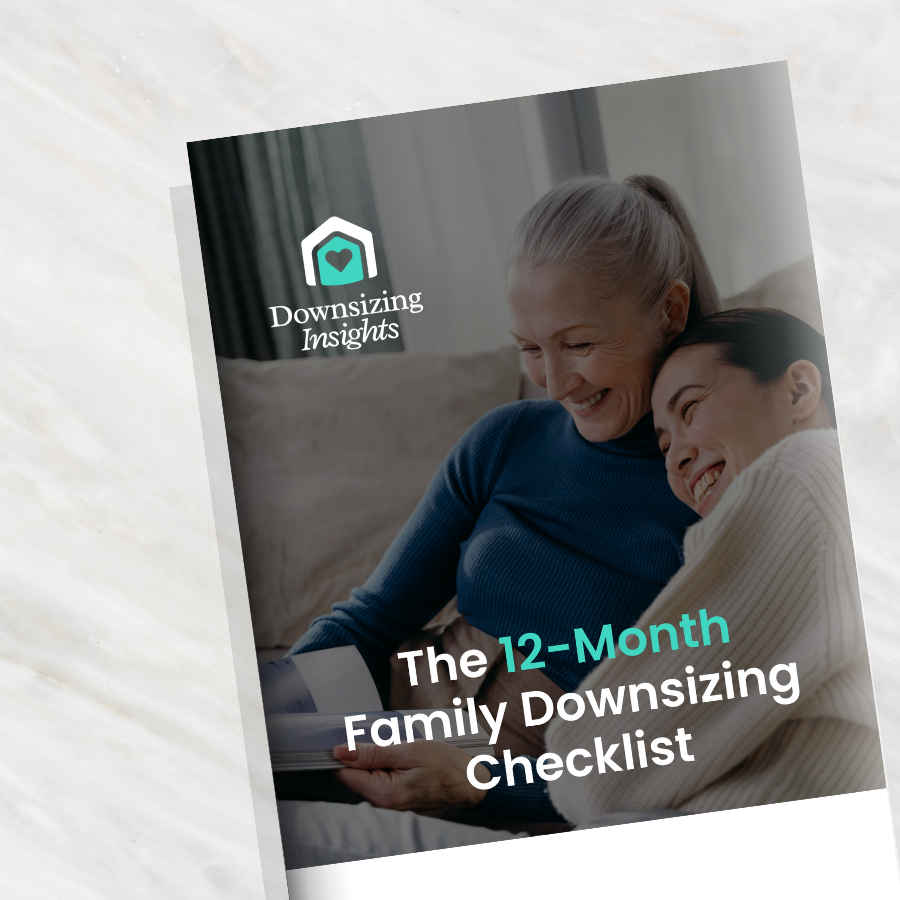
Take your next step forward
You've learned the essentials. Now get the tools to move with confidence and clarity.
.jpg)