
When Is the Best Time to Sell Your Home?

Introduction
Selling a long-time family home can feel a lot like closing a well‑loved book. The story is full of birthdays, school mornings, and quiet Sunday afternoons, so even asking when is the best time to sell your home can bring a lump to your throat. At the same time, that house is also one of the biggest financial assets you own, so timing matters for the next chapter.
“Time in the market beats timing the market.” — Common investing adage
We see this tension every day with empty nesters, retirees, and adult children helping their parents. Charts might say spring is best or that May is king, yet real life brings health changes, job moves, and family needs that refuse to wait for perfect market timing. The honest answer to when is the best time to sell your home sits where two things meet: market opportunity and personal readiness.
In this guide, we walk through both sides. We look at seasons, months, and even days of the week, plus market conditions such as interest rates and local trends. Then we shift to the human side, including life events, finances, and emotional readiness, and finish with a simple timeline you can follow. At Downsizing Insights, we specialize in helping seniors and families through this exact moment with practical plans and steady support, so the move feels smart on paper and right in the heart.
Key Takeaways
Late spring through early summer often brings the strongest prices and fastest sales, especially when a home goes on the market in May. For many sellers, this window can add real dollars to retirement savings or future care needs, even without dramatic upgrades.
Every season offers its own mix of benefits and trade‑offs, so a sale can still work well in fall or winter when your personal timeline does not match peak season. When expectations match the season, stress usually drops.
Market conditions such as low inventory and interest rates can matter even more than the calendar. A strong winter seller’s market can beat a weak spring. Watching local trends with a senior‑focused agent gives better guidance than national headlines alone.
Personal readiness often matters more than squeezing out the last percent of price, especially for seniors, empty nesters, and their families. When health, safety, or peace of mind say it is time, that signal often outweighs waiting for the “perfect” month.
Downsizing Insights offers free consultations, readiness assessments, and several selling paths so that timing, preparation, and support work together. This mix can make a hard change feel organized, dignified, and much less overwhelming.
What Makes Spring And Early Summer The Peak Selling Season

Across most of the United States, late spring through early summer, roughly from mid‑March to the end of July, is the strongest window for selling. During these months, more buyers are out, homes tend to sell faster, and prices are often higher. When people ask us when is the best time to sell your home based on the calendar alone, this is the season we talk about first.
Several forces line up at once:
Better weather makes yards greener and more inviting, and longer days make it easier to schedule showings after work.
School schedules push many families to find, close on, and move into a new place before classes start again.
Tax refunds arrive, giving buyers extra cash for a down payment or closing costs.
This wave of motivated buyers creates more competition for well‑priced homes. That does not guarantee every house sells in a weekend, yet the odds of strong offers are higher than in most other months. These are national patterns, though, and specific cities or neighborhoods can follow a slightly different rhythm, which is why we always layer local data on top of the seasonal picture.
Why May Is The Single Best Month To Sell
Recent nationwide data shows that May often sits at the top of the list for sellers. One large analysis found that homes closing in May brought an average seller premium slightly above thirteen percent over the estimated market value. Studies from major listing sites point in the same direction, noting that homes listed in the second half of May often sell for about one to two percent more than similar homes listed at other times.
Other late winter and spring months can be strong as well:
February, April, and June often show solid seller premiums.
October tends to show the lowest premium of the year, with September and November close behind.
For households planning retirement, future care needs, or a long‑distance move, those extra percentage points matter. They can help cover moving costs, reduce future mortgage debt, or expand the budget for a safer or more comfortable next home.
The Strategic Advantage Of Listing On Thursday
Season and month are only part of the picture. The day of the week a listing goes live can matter too. Studies from several major real estate platforms show that homes first posted on a Thursday tend to go under contract faster and more often sell above the asking price than homes listed on other days.
The reason is simple:
Many buyers and agents plan weekend showings near the end of the workweek.
A fresh Thursday listing appears at the top of their online searches right when they choose which homes to see.
We usually suggest asking an agent to activate the listing late Thursday afternoon or early evening. That timing catches buyers at home, relaxed, and browsing on phones or laptops. In contrast, homes listed on Sunday or very early in the week can feel a bit stale by the time the weekend search rush begins.
How Each Season Affects Your Home Sale
While spring and early summer lead the pack, every season offers a different mix of good points and challenges for sellers. Many of the people we help cannot wait an entire year, so it helps to understand how the market shifts over twelve months. With clear expectations, a sale in November or January can still work very well.
Across seasons, three things change most:
How many buyers are active
How quickly homes tend to sell
How much room buyers feel they have to negotiate
Weather, school calendars, and holidays all play a part. When these patterns line up with your needs, the process usually feels smoother.
Spring Maximum Competition And Maximum Opportunity
Spring is usually the busiest time for real estate activity. Buyers who paused during winter feel ready to get out, and many believe this is the moment to find a new place. Families with school‑age children are especially active, since they want to be settled before the fall term begins.
For sellers, this typically means:
More showings and more potential offers
A higher chance of strong prices
Well‑prepared homes attracting several interested buyers within the first week
The trade‑off is that many other homeowners also list during spring, so buyers have more options and may be quicker to reject a home that feels cluttered or dated.
Summer Sustained Momentum With Mid Season Slowdown
Early summer often continues the spring momentum. Families still hope to close and move before school starts, and the warm weather keeps showings active. In many areas, June can be nearly as strong as May in terms of price and speed of sale.
As summer moves into July and August:
Vacations pull buyers and agents out of town.
In hotter regions, midday heat discourages house hunting.
Homes still sell, but there may be fewer showings in a given week. Careful pricing and keeping the home cool, bright, and welcoming can help during this part of the year.
Fall Serious Buyers With Smaller Pool

By fall, the buyer pool usually shrinks, yet those who remain often have strong reasons to move. Common drivers include:
Job relocations
Lease endings
Family changes
These buyers may move quickly once they find a home that fits. The smaller number of shoppers can mean fewer total showings, and prices may not climb as high as the peak spring months. Many fall buyers also feel more pressure on their budgets, which can make them more sensitive to pricing. A clean, well‑priced home can still sell well, especially in areas with mild weather.
Winter The Off Season With Hidden Advantages
Winter has a reputation as the slowest time for home sales. Short days, cold weather, and holiday schedules mean fewer people visiting open houses. Many families set real estate plans aside until after the new year, so some sellers assume winter is always the wrong time to move.
There are real advantages, especially for seniors and families who need to act on a shorter timeline:
Buyers who shop in winter tend to be very serious and often face urgent moves.
With fewer homes on the market, a well‑presented property can stand out and receive focused attention.
In warmer states such as Florida and Arizona, winter can even be one of the busiest periods, as snowbirds and retirees look for homes in milder climates. At Downsizing Insights, we often help families weigh these local patterns. For some, lower competition in winter paired with strong local demand makes this season a smart and practical choice.
Understanding Market Conditions Beyond The Calendar
The calendar tells only part of the story. Two springs can look very different if one year has low mortgage rates and very few homes for sale, while another year brings higher rates and plenty of inventory. When we help someone decide when is the best time to sell your home, we always look at market conditions along with the month and season.
Key factors include:
The balance of buyers and sellers
Current mortgage interest rates
The health of the local job market and economy
These pieces can either boost the advantages of a good season or soften them. In some cases, a strong seller’s market in winter can feel better than a buyer’s market in April.
Seller's Market Vs. Buyer's Market What It Means For You
A seller’s market happens when there are more buyers than homes for sale. In this setting:
Houses often go under contract quickly.
Sellers may see several offers.
Buyers have less room to negotiate, so offers closer to or even above asking price are more common.
For someone downsizing, this can help turn home equity into cash for the next home or for retirement needs.
A buyer’s market is the opposite:
There are more homes available than active buyers.
Listings stay active longer.
Buyers feel they have choices and may ask for price cuts, credits, or repairs.
To get a handle on the market type in a specific area, we look at:
How many months of housing inventory are available
How long homes stay on the market on average
How close final sale prices come to asking prices
Downsizing Insights connects clients with senior‑focused agents who track these numbers and explain what they mean in plain language.
How Mortgage Rates Impact Your Selling Window
Mortgage rates directly affect how many buyers can afford a home at a given price. When rates are low:
Monthly payments shrink.
More people feel ready to step into the market.
That can create bursts of activity, even outside the usual busy seasons.
When rates rise, some buyers pause because the same home now costs more each month. Activity can slow, inventory can rise, and buyers may have more power to negotiate. Even in higher‑rate periods, though, a sudden dip can bring a short wave of eager buyers who do not want to miss the chance.
We also pay attention to wider economic signals such as job growth, local hiring announcements, and consumer confidence. Government programs that support homebuyers can bring extra demand for a time. When we talk with families through Downsizing Insights, we include these factors so your timing plan reflects both personal needs and the wider market climate.
Why Your Local Market Trumps National Trends
National data offers helpful clues, but housing is deeply local. The best week to list in one city can be very different from the best week in another, even within the same state. Weather patterns, major employers, and local school calendars all shape when buyers come out and how quickly homes sell.
For example, research has found that listing in the second half of March works well in a city such as Austin, while late June can be stronger in a place such as Cleveland. The difference in timing has a lot to do with local temperatures, job cycles, and how quickly families tend to move once school lets out.
“All real estate is local.” — National Association of Realtors
This is why we urge families to look beyond national headlines. Senior‑focused agents in the Downsizing Insights network study neighborhood trends, not only city‑wide averages. They track:
Which weeks bring the most showings
How long homes like yours sit on the market
Which features matter most to buyers in your area
Our city guides for places such as Charlotte, Dallas, Austin, San Diego, Denver, San Francisco, and San Jose add more detail, and simple online tools can show how long homes in your zip code are taking to sell right now.
When Personal Readiness Matters More Than Market Timing

Market data matters, yet for the seniors and families we serve, personal readiness often matters even more. A higher sale price does not help if the process leaves someone exhausted, unsafe, or stuck in a home that no longer fits daily life. No seasonal premium is worth sacrificing health, safety, or peace of mind.
We often say that the best time to sell is when the numbers make sense and life is asking for a change at the same time. That change might be a health shift, a wish to live closer to family, or a desire for less housework and more free time. When those signals are strong, waiting for the “perfect” month can keep a family stuck.
Major Life Transitions That Signal It Is Time
Certain life events send a clear message that it may be time to move, no matter what the calendar says. Common examples include:
A job relocation with a firm start date in another city
Health changes that make stairs, long driveways, or large yards harder to manage
Empty bedrooms and a home that feels too big once children move out
Retirement goals such as moving closer to family or choosing a milder climate
Other families need safer neighborhoods, shorter drives to healthcare, or homes that offer easier daily routines. Many of these situations come with built‑in timelines, such as a medical recommendation or an expiring lease near an adult child. In these moments, we help families plan a sale that fits those dates first, then aim for the best price inside that window.
Financial And Equity Considerations For Your Next Chapter
Finances play a major role in deciding when to sell. Home equity—the difference between what the home could sell for and what is still owed on the mortgage—can be a powerful tool. When equity has grown, selling can free up funds to:
Cover the down payment on a smaller home or senior community
Pay off remaining debt
Add to retirement savings or care reserves
Downsizing can also reduce ongoing costs. A smaller home often brings lower property taxes, insurance, utilities, and maintenance. Over years, those savings can make a real difference for someone on a fixed income.
Through Downsizing Insights, we offer free, no‑pressure conversations to walk through these numbers. Our readiness assessments and tools such as the Downsizing Checklist help clarify whether a sale now would leave you in a stronger position than waiting.
The Emotional Process Of Letting Go
The emotional side of selling a long‑time home can be just as real as the financial side. A house holds memories, daily routines, and a sense of identity. For many older adults, it also represents independence and control. It is natural to feel sadness, worry, or even guilt at the idea of leaving.
If the choice feels rushed only to catch a certain market window, regret can follow. We encourage families to allow time for conversation, sorting, and reflection. Looking at where the next home will be, what life might feel like there, and how it might ease daily strain can slowly shift the focus from loss toward possibility.
At Downsizing Insights, we put a strong focus on listening. Our senior‑focused advisors and partner agents know how to include adult children while keeping the older adult at the center of decisions. We see the sale not as an end, but as a step toward a setting that better matches current needs and hopes.
Creating Your Personal Home Sale Timeline

Once the decision to move feels right, the next step is planning. A clear home sale timeline can turn a rushed scramble into a steady, manageable process. Research from major listing sites suggests that many people think seriously about selling for several months before they list, which is both normal and helpful.
We usually suggest setting aside at least two months for hands‑on preparation before the home goes on the market. For many seniors, starting sorting and decluttering three months ahead feels even better. Breaking the work into phases makes it easier to see progress:
Research Phase: Look at recent sales of similar homes, talk through current market conditions, and interview real estate agents with strong experience in senior moves. Through Downsizing Insights, we match families with senior-focused real estate agents who understand both local pricing and the emotional side of downsizing.
Decluttering Phase: Work room by room and use an “only handle it once” mindset, where each item is kept, donated, gifted, or discarded rather than moved around many times. Starting this step a few months before your target list date can sharply reduce stress.
Repair And Update Phase: Address safety issues and basic maintenance first, then consider small cosmetic changes such as fresh paint, updated lighting, or simple yard cleanup. For some clients, we use a prepare‑and‑sell program where a partner company covers upfront costs and is repaid at closing.
Staging And Photography: A light, clean, and neutral space photographs well, and strong photos are vital since nearly every buyer starts the search online. Professional images help your home stand out during the important first week on the market.
Once the home is listed, the timeline from offer to closing often runs 60 to 90 days, though it can be shorter in hot markets. For families that need speed above all, we can discuss as‑is quick‑close options, where vetted cash buyers purchase the home in current condition, often within one to three weeks. In every case, we work to align the sale with the move‑in date for the next home or community, so there is as little gap and stress as possible.
Conclusion
Deciding when is the best time to sell your home is not just a math problem. It is a blend of market patterns, local conditions, household finances, and the very real emotions tied to a place filled with memories. Spring and early summer, especially May, often offer the best odds for higher prices and faster contracts, and simple choices such as a Thursday listing can add a bit more strength to your plan.
At the same time, a strong seller’s market in your town—or a change in health or family needs—can matter far more than the calendar. For many seniors and empty nesters, the right time to sell arrives when the home no longer fits daily life, when costs feel heavy, or when another location would bring more help and connection.
Our role at Downsizing Insights is to walk beside you through that process. We bring senior‑focused agents, readiness assessments, and several selling paths, from traditional listing to prepare‑and‑sell programs and as‑is cash offers. We also connect clients with organizers, contractors, and estate planners to cover the many pieces of a move.
A helpful first step is to pause and ask why a move is on your mind. Once that “why” is clear, we can help build a timeline and strategy that fit both your heart and your finances. When you are ready, you can reach out for a free, no‑pressure conversation, explore our readiness tools, or talk with a specialized advisor. Selling a long‑time home is a major milestone, and with the right timing and support, it can lead to a lighter, safer, and more peaceful next chapter.
FAQs
Before we close, here are answers to a few common questions that often come up for seniors, empty nesters, and adult children who help parents.
Is It Better To Sell My Home Before Or After Buying A New One?
There are trade‑offs on both sides. Selling first gives clear knowledge of how much money is available, removes the need for a sale contingency, and lowers the risk of carrying two mortgages, though it may require a short stay in temporary housing. Buying first avoids a gap between homes and can feel more relaxed, yet it may require bridge financing or the ability to handle two payments for a time.
For many downsizing seniors, selling first keeps stress and financial risk lower. Agents in the Downsizing Insights network can help coordinate timing so closing dates line up as closely as possible with the move into the next home or community.
How Much Should I Invest In Repairs And Updates Before Selling?
We usually draw a line between must‑do repairs and nice‑to‑have updates:
Safety issues and basic function (leaks, broken steps, faulty outlets) should be addressed when possible.
Cosmetic changes such as fresh neutral paint, clean landscaping, and updated light fixtures can offer a good return without large expense.
Large projects such as full kitchen remodels close to sale time rarely bring back their full cost.
Through Downsizing Insights, our prepare‑and‑sell program can cover the upfront cost of suggested repairs and updates, with repayment at closing. Your agent can explain which changes matter most in your specific market.
What If I Need To Sell Quickly Due To Unexpected Circumstances?
Health changes, urgent relocations, or sudden financial needs can make a fast sale more important than a top‑of‑the‑market price. In these cases, we can explore options aimed at speed and simplicity.
One path is an as‑is quick‑close sale, where vetted cash buyers purchase the home in its current condition, often within seven to twenty‑one days. This route skips repairs, staging, open houses, and long negotiations, which can greatly lower stress for the household. While the final price may be lower than a fully prepared traditional sale, the trade‑off in time and effort can be worth it for families who need immediate relief.
How Do I Know If I Am Emotionally Ready To Sell My Long‑Time Home?
This may be the hardest question of all, and there is no single right answer. It can help to ask yourself:
Can I picture feeling comfortable and even content in a different space?
Does caring for the current home feel heavy?
Do I feel any spark of relief when I imagine living somewhere easier to manage?
Downsizing Insights offers a Readiness Self‑Assessment that looks at emotional, financial, and practical factors together, which many people find clarifying. There is no need to rush; taking extra time is not a failure, and moving forward too fast can lead to regret. Gentle conversations with family members and trusted advisors, along with support from our team, can make it easier to sort through feelings and choose the timing that feels right for you.
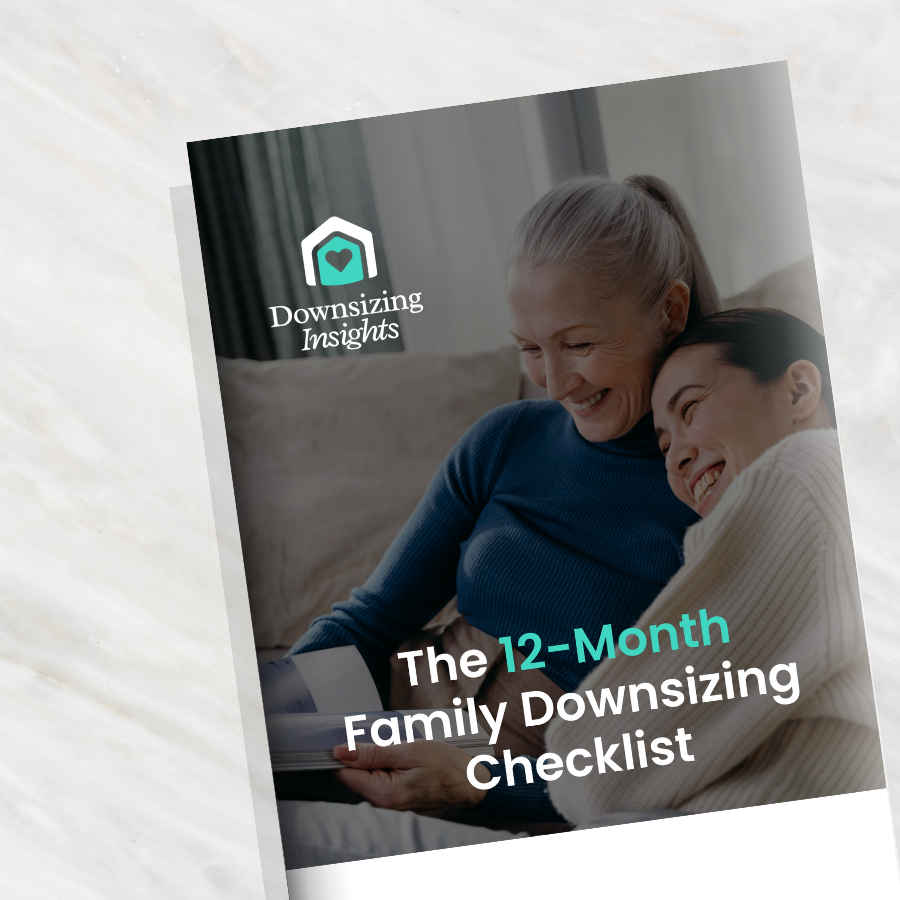
Take your next step forward
You've learned the essentials. Now get the tools to move with confidence and clarity.
.jpg)