

This page covers the local picture. The Complete Downsizing Kit covers the rest: six guides, one clear sequence, from finances to the final move. $94 for instant access.
.png)
Downsizing is a significant transition, both logistically and emotionally. For seniors in Concord, this decision often emerges gradually before becoming urgent. Understanding what the process entails and what to expect at each stage can make it considerably less daunting.
Understanding the Need for Downsizing
Seniors in Concord consider downsizing for various reasons, often starting with the house itself. The once-comfortable home may now feel like a burden due to the yard's maintenance, unused rooms, and accumulating repairs. Additionally, health and mobility concerns can prompt the need for a more manageable living space, as stairs become challenging and proximity to medical care becomes more critical.
Some seniors choose to downsize proactively, making the decision on their own terms while they have the energy and clarity to do so thoughtfully. Planning ahead usually results in better outcomes, allowing time to sort belongings, evaluate options, and coordinate a move without pressure.
The Downsizing Process
Initiating Decluttering
Decluttering decades of accumulated belongings is more than a practical task; it raises difficult questions about what to keep, pass on, or discard. Starting early allows for a reflective pace rather than a rushed one. Involving family members can help share the emotional weight and provide meaningful items a new home.
Some families hire professional organizers or Senior Move Managers for this phase. These specialists understand the emotional aspects of sorting through a home and can help structure the process to feel manageable.
Selling Your Home
Selling a longtime home involves more than just pricing and paperwork. Preparing the space for buyers, coordinating timing, and emotionally letting go of a cherished place are all part of the process. Working with a real estate agent experienced in senior transitions, especially those with the SRES® designation, can make a significant difference.
Timing the home sale alongside a move is complex. Mapping out the sequence of listing, searching for a new home, and managing the transition can ease the process.
Choosing a New Living Arrangement
There is no one-size-fits-all answer to where seniors should live after downsizing. Options range from smaller homes or condos to independent or assisted living communities. The right fit depends on individual priorities, including proximity to family, healthcare access, and lifestyle preferences.
Considering Concord's landscape is crucial: which neighborhoods offer walkability, access to transit, healthcare systems, and the availability of senior housing options.

Practical Considerations for Concord
Local housing market conditions in Concord affect how long a home might take to sell and set realistic pricing expectations. Climate, healthcare access, and family proximity are other essential factors.
Single-level homes, communities with covered parking, and proximity to services become more important in areas with significant seasonal variations. Access to healthcare is another practical consideration often overlooked in initial planning stages.
Conclusion
Downsizing in Concord involves a series of decisions made over time. Moving at a comfortable pace with the right information and support makes the process more manageable. It's not necessary to have everything figured out before beginning.
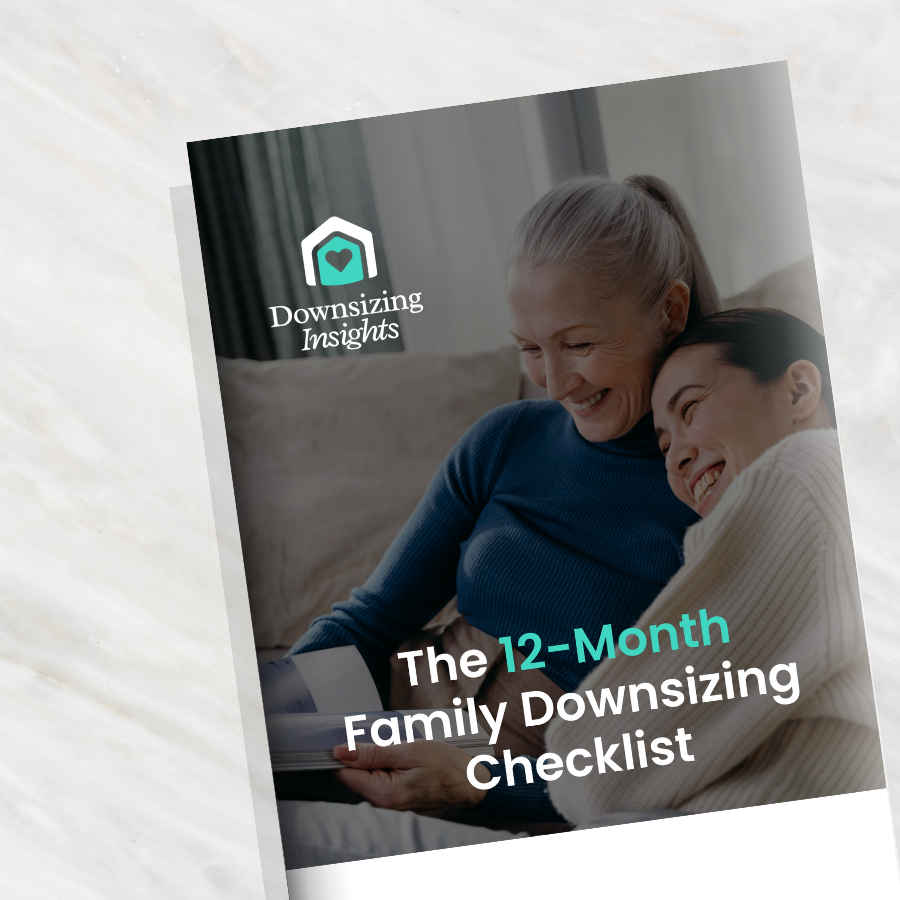
Take your next step forward
You've learned the essentials. Now get the tools to move with confidence and clarity.
.jpg)