
This page covers the local picture. The Complete Downsizing Kit covers the rest: six guides, one clear sequence, from finances to the final move. $94 for instant access.
.png)
Downsizing is a significant transition for seniors, and for many in Hampton, it marks a new chapter in life. The process, while daunting, can be made more manageable with proper planning and support. Understanding the steps involved and what to expect at each stage can alleviate the stress often associated with downsizing.
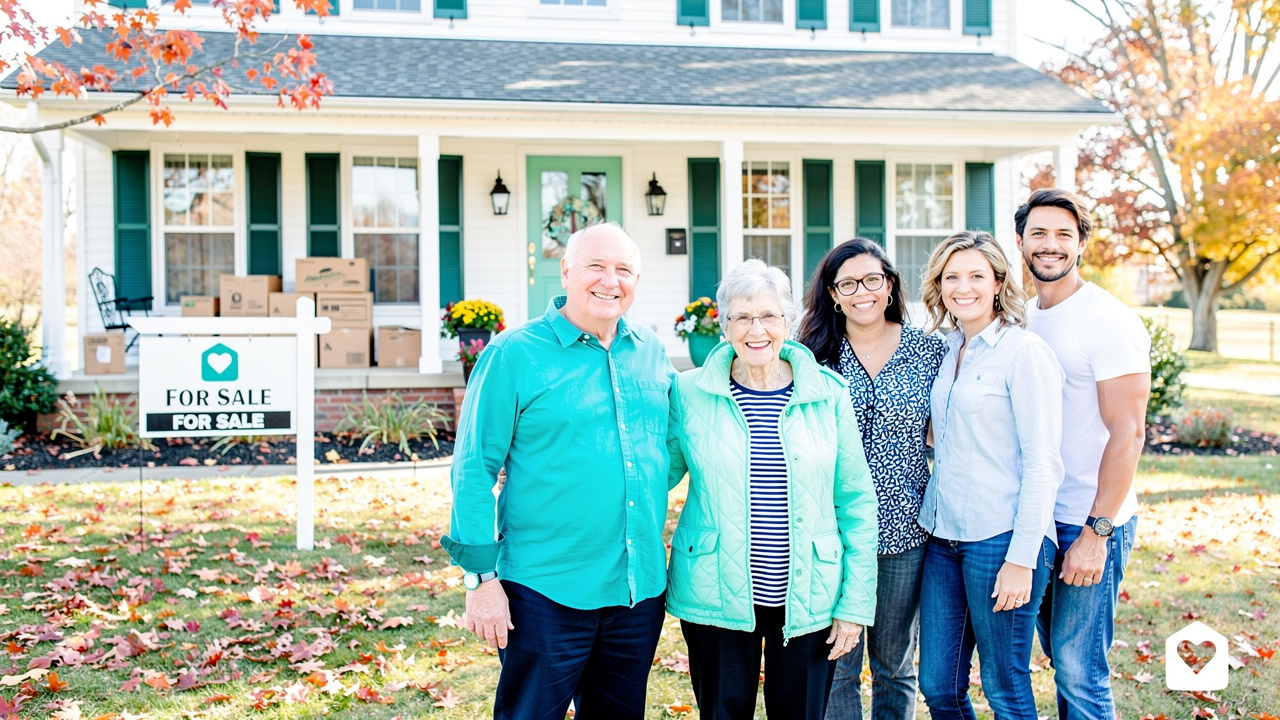
When Seniors in Hampton Consider Downsizing
The reasons for downsizing vary among individuals, but common patterns emerge. Often, the decision begins with the home itself — increased maintenance, unused spaces, and accumulating repairs. What was once a comfortable living situation may become burdensome over time.
Health and mobility concerns frequently play a role. For some, stairs become challenging, and proximity to medical care or family gains importance. Many seniors prefer to downsize by choice rather than necessity, making decisions while they have the energy and clarity to do so thoughtfully.
Proactive planning leads to better outcomes. Seniors who approach downsizing before a crisis occurs generally have more time to sort belongings, evaluate options, and coordinate a move without undue pressure.
Walking Through the Process
Starting with Decluttering
Decluttering decades of accumulated belongings is more than a practical task; it’s an emotional journey. Decisions about what to keep, pass on, or let go can be challenging. Starting early allows for a reflective pace rather than a rushed one.
Involving family members can be beneficial, not to make decisions for the senior, but to share the process’s weight and find meaningful destinations for cherished items. Some families opt for professional organizers or Senior Move Managers who understand both the logistical and emotional aspects of sorting through a home.
Selling a Home in Hampton
Selling a long-time home involves more than pricing and paperwork. It requires preparing the space for buyers, coordinating timing, and managing the emotional reality of letting go of a place full of memories. A real estate agent experienced in senior transitions can be invaluable.
The SRES® designation (Senior Real Estate Specialist) indicates that an agent has completed senior-focused training. Beyond credentials, finding an agent who communicates well and moves at a comfortable pace can make the process smoother.
Timing the sale with the move is complex. Mapping out the sequence—when to list, start searching for a new home, and manage the gap between—is crucial for a seamless transition.
Choosing Where to Go Next
The choice of where to live after downsizing varies. Options include smaller homes, condos, independent living communities, or rentals. Each has tradeoffs, and the decision should reflect personal priorities such as proximity to family, healthcare access, and lifestyle preferences.
Considering Hampton’s specific landscape—neighborhood walkability, transit access, and available senior housing—can aid in making an informed decision. Starting this evaluation early provides more choices and reduces pressure later.

Coordinating the Move
Once a new home is chosen and the old one sold, the move itself requires planning. Professional movers specializing in senior relocations can manage the physical work with the care and pace necessary for a smooth transition.
Preparing a box of essentials—medications, important documents, everyday items—ensures that the first days in the new space are manageable. Assistance with unpacking and setting up, whether from family or professionals, helps the new space quickly feel like home.
A Few Practical Notes for Hampton
Local conditions in Hampton affect the downsizing process. The housing market influences how long a home might take to sell and realistic pricing expectations. If the market is competitive, preparation and timing are crucial; if slower, there’s more flexibility.
Climate considerations may influence decisions about future living arrangements. In regions with significant seasonal variation, single-level homes and communities with covered parking or nearby services may be more desirable.
Access to healthcare should not be overlooked. Understanding the location of hospitals, specialist networks, and senior care facilities relative to potential new homes is vital. Proximity to family for support often becomes more important over time and should be factored into early planning.
Conclusion
Downsizing in Hampton involves a series of decisions made over time. By moving at a comfortable pace and with the right support, seniors can navigate this transition more smoothly. There’s no need to have everything figured out before starting; the process unfolds gradually, allowing time for adjustment and reflection.
Take your next step forward
You've learned the essentials. Now get the tools to move with confidence and clarity.
.jpg)