
Best Places to Retire for Active Adults in 2026

Introduction
Thinking about where to retire can feel like juggling too many options with not enough clarity. Each choice touches money, health, and family all at once.
The best places to retire for active adults are not just sunny ZIP codes. They are locations where climate, cost, healthcare, and community line up with how you actually want to live. This article walks through what really matters, why regions like the Southeast, Sun Belt, and Mountain West stand out, and how to weigh trade-offs without pressure.
You will also see how Downsizing Insights offers tools, self-assessments, and calm, human help so you do not have to sort this out alone, so you can start to turn a vague idea into something more concrete and manageable.
As the old real estate saying goes, "Location, location, location" — but for active adults, lifestyle and support matter just as much as the address.
Key Takeaways
Active adults need more than warm weather. The best fit usually combines year-round activity options, nearby healthcare, realistic housing costs, and a social circle that feels natural rather than forced. When those pieces line up, daily life feels easier and more joyful.
Regional fit matters more than rankings. The Southeast, Sun Belt, and Mountain West rise to the top for many retirees because they mix milder climates, outdoor recreation, and lower costs than many coastal cities. Each region still feels different in pace, culture, and weather, so personal fit matters more than any top-10 list.
Taxes and long-term costs add up. State tax rules, property taxes, insurance, and healthcare costs often matter more over time than the sticker price of a home. According to the Tax Foundation, states with no income tax can reduce long-term tax burden for many retirees.
Downsizing Insights can be a neutral guide. Downsizing Insights helps you sort through both the numbers and the emotions. With city-specific guides, a free Downsizing Readiness Self-Assessment, and no-pressure real estate conversations, the platform turns a vague “maybe we should move” into clearer next steps when you feel ready.
What Makes a Location Right for Active Adults?
The locations that truly fit active adults balance lifestyle, money, health care, and community fit. When you look past glossy photos, the best places to retire for active adults are the ones that support how you want to move, connect, and age.
For many people, the starting point is simple daily life. Can you walk, bike, or drive short distances to the things you enjoy? Are there sidewalks, parks, classes, and groups that make staying active feel easy instead of like a project? How close is a hospital with a good reputation?
Money sits right beside those questions. State income tax rules, property taxes, homeowners insurance, and HOA fees all add up over time. According to the Center for Retirement Research at Boston College, housing-related costs are one of the largest pieces of retiree spending, which means lower-cost states can stretch savings without big lifestyle cuts.
So what actually belongs on your short list of criteria?
Access to year-round activities. Look at your access to everyday movement and hobbies, which might include golf courses, walking trails, community centers, pools, or art studios. If you enjoy movement and hobbies, you will likely use these more than you expect, especially after the structure of full-time work falls away.
Reliable healthcare nearby. Think about healthcare like a safety net you hope not to need often. Living within 30 minutes of a solid hospital and key specialists (cardiology, orthopedics, primary care) can make a hard day less stressful. The Centers for Disease Control and Prevention notes that chronic conditions rise with age, so easy access matters even when you feel healthy now.
Social connection, not just amenities. Pay attention to social fabric, not just amenities. Research from the National Institute on Aging links poor social connection with higher risks of depression and dementia, so it really matters whether neighbors talk to each other and whether groups are easy to join — a principle that underpins frameworks like the equity-driven site selection process used to identify communities with strong social programming for older adults.
Climate that matches your body. Finally, treat climate as personal, not a right-or-wrong choice — a perspective supported by studies on how older adults' living environment preferences vary widely based on individual health needs and mobility patterns. Some people love Arizona or Florida warmth and find that dry or coastal air eases joint pain. Others feel more like themselves with fall leaves and cooler nights in places like Colorado, Tennessee, or North Carolina. Both choices can work if they match your body and your mood.
Tip: When you visit a potential retirement spot, spend at least one day doing normal errands—grocery shopping, a walk, a casual meal—so you can feel what everyday life might be like there.
The Sun Belt: Arizona and Florida

The Sun Belt, especially Arizona and Florida, appears on almost every list of the best places to retire for active adults. Both states offer warm weather, strong retiree communities, and tax setups that keep more of your income in your pocket, but they feel quite different on the ground.
Arizona draws people who like sunshine, dry air, and wide-open views. Around Phoenix, Scottsdale, and Goodyear, you find golf, desert hiking, and bike-friendly paths almost every month of the year. Communities like Estrella and its 55-plus CantaMia neighborhood in Goodyear layer in pools, lakes, pickleball, trails, and social clubs, so an active routine forms quickly after a move.
Financially, Arizona does not tax Social Security benefits and keeps income tax rates relatively modest. Housing often costs less than on the coasts, which helps when you are moving from a pricey market like San Diego or San Francisco. Larger metro areas such as Phoenix and Tucson also offer major health systems, so specialist care is nearby when you need it.
For some, the summer heat in Phoenix feels intense. That is where northern cities like Prescott, Flagstaff, and Sedona come in, with cooler temperatures and pine forests while still keeping access to Arizona’s tax and healthcare advantages.
Florida, by contrast, is warm, humid, and surrounded by water. According to the U.S. Census Bureau, adults 65 and older make up roughly one fifth of Florida’s population, which means services, programs, and entire towns have grown up around retirement life. The state has no income tax at all, so Social Security, pensions, and investment income face no state-level tax.
From beach towns like Naples and Sarasota to inland hubs near Orlando and The Villages, Florida offers thousands of 55-plus communities. Places such as Cresswind at Hammock Oaks near Lady Lake combine pools, fitness centers, pickleball, and organized events. The trade-offs are real though: higher homeowners insurance in hurricane-prone areas and heavy summer humidity that some people find tiring.
To compare retiring in Arizona vs. Florida, many active adults focus on:
- Arizona: Dry heat, lower humidity, desert and mountain scenery, and a mix of large metros and smaller cities.
- Florida: Humid coastal climate, abundant beaches and boating, and a very large retiree population with many programs and services.
The Southeast: North Carolina, South Carolina, Tennessee, and Georgia
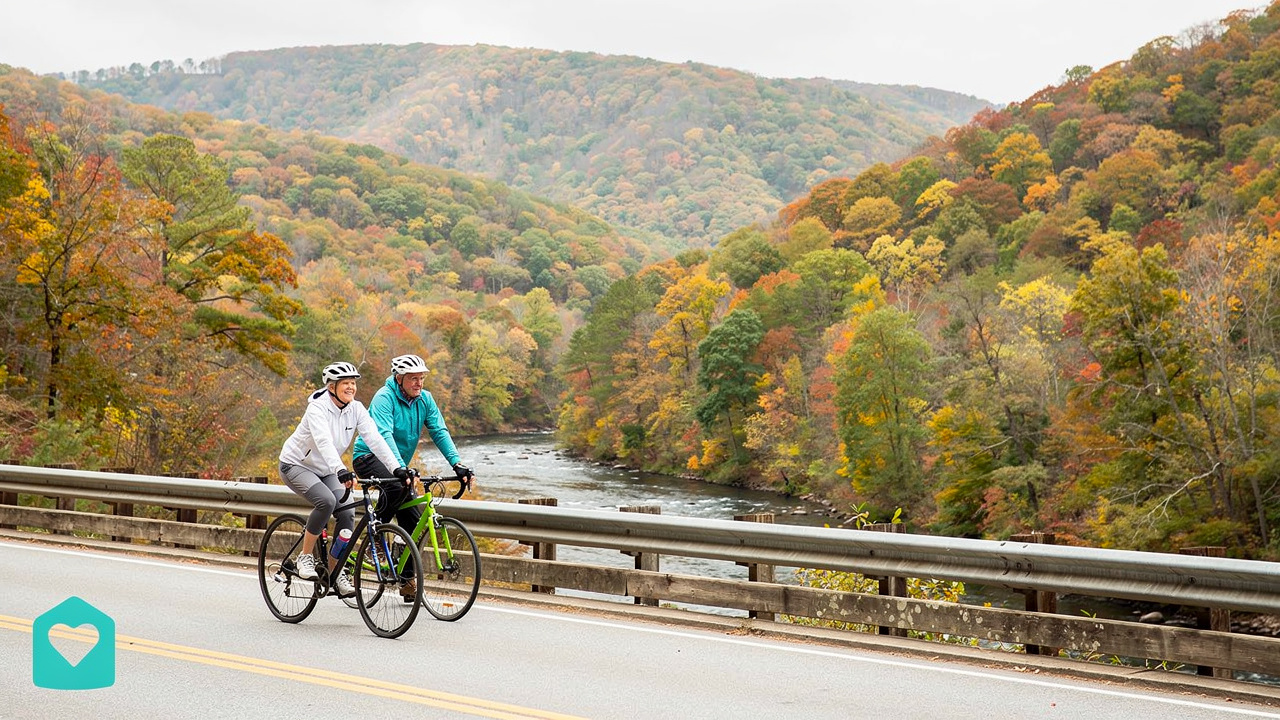
The Southeast has become one of the most popular regions for the best places to retire for active adults who want variety, lower costs, and a softer four-season climate. Within a day’s drive, you can move from mountains to beaches, from college towns to quiet lakes.
Tennessee stands out for its financial picture. The state does not tax retirement plan withdrawals and keeps property taxes modest. According to the Missouri Economic Research and Information Center, Tennessee’s overall cost of living sits more than 10 percent below the national average, which can make downsizing feel like a raise instead of a step down. Add the Smoky Mountains, lakes like Tellico, and more than 60 state and national parks, and you get a lifestyle that mixes outdoor beauty with practical savings — consistent with research showing that older adults' active mobility choices are strongly shaped by accessible natural environments.
North Carolina, South Carolina, and Georgia add even more options. North Carolina alone offers beach towns such as Wilmington, mountain hubs like Asheville, and metro areas including Charlotte and Raleigh. Its Certified Retirement Community program, created by the North Carolina General Assembly, highlights towns that meet standards for health care, safety, and retiree services, which gives you clearer starting points.
South Carolina leans coastal, with places like Hilton Head Island, Beaufort, and Bluffton drawing golfers and beach lovers. Communities such as Woodside in Aiken or Callawassie Island near Beaufort pair trails, golf, and water access with lively clubs and events. Georgia blends metro access and nature, from lake and mountain areas like Lake Arrowhead to active adult developments such as Cresswind Georgia at Twin Lakes outside Atlanta.
Compared with many Northeast and West Coast metros, these Southeastern states often offer lower home prices and taxes along with shorter, milder winters. The trade-offs can include more humidity and, in some coastal areas, higher storm-related insurance. For many empty nesters and seniors, that is a fair swap for more space in the budget and closer access to family along the East Coast.
Colorado and Texas: When Outdoor Life Comes First

Colorado and Texas both attract active adults who want movement, space, and variety, but they do it in different ways. For many people, these two states show up on any short list of the best places to retire for active adults who care deeply about outdoor life.
Colorado appeals to those who feel energized by mountains and four true seasons. Hiking, skiing, biking, and golf all sit within reach of metro areas like Denver, Colorado Springs, and Fort Collins. According to the United Health Foundation, Colorado consistently ranks near the top for senior physical activity and overall health, which reflects both culture and environment — findings that align with broader research on how community ecosystems support cognitive vitality among older adults.
Retirees often choose places just outside big cities, where communities like The Reserve in Aurora offer clubhouses, pools, and pickleball while keeping Denver’s hospitals and airports close. Income tax rates stay fairly low, and there is no state estate or inheritance tax. The trade-off is that some Front Range and resort towns carry higher home prices, so careful budgeting matters.
Texas offers almost every climate in one state. Central Texas Hill Country areas around Austin and San Antonio bring rolling hills, mild winters, and rivers to float or walk beside. Houston and the Gulf Coast add coastal options, while Dallas–Fort Worth mixes city energy with many suburban 55-plus communities. Texas has no state income tax, which can free up cash for travel, hobbies, or helping adult children.
Healthcare access in larger metros such as Houston, Dallas, and San Antonio is strong, with major hospital systems and specialists. At the same time, smaller towns give some retirees the slower pace they want. Downsizing Insights publishes city-level downsizing guides for Austin, Dallas, Fort Worth, San Antonio, and Denver, so you can see how housing, neighborhoods, and senior resources line up before you even book a flight.
For people who thrive outside and do not mind heat in parts of Texas or winter snow in Colorado, these states can offer a strong mix of activity, culture, and choice.
If you are comparing the two, a quick rule of thumb many retirees use is:
- Choose Colorado if you want four seasons, mountain views, and easy access to skiing and hiking.
- Choose Texas if you prefer warmer winters, big-city healthcare options, and a wide range of 55-plus communities.
How Downsizing Insights Helps You Navigate the Move

Finding the best places to retire for active adults is only half of the puzzle. The other half is facing the emotional, financial, and practical work of leaving a longtime home, which is where Downsizing Insights focuses its energy.
Downsizing is rarely just a real estate decision. It often means sorting through decades of belongings, managing family opinions, and making money choices while also feeling the weight of memories. Many people underestimate how long that takes, or how tiring it can feel. Downsizing Insights names that reality out loud and offers tools that let you start small instead of jumping straight into a sale.
One key resource is the free Downsizing Readiness Self-Assessment. It asks simple questions in three areas—emotional, financial, and practical—so you can see where you feel clear and where you feel stuck. There is space to jot notes and a summary page that highlights gentle next steps instead of telling you what you “should” do.
The site also offers city-specific guides for markets like San Diego, Los Angeles, Denver, Charlotte, Columbus, Austin, Dallas, Fort Worth, New York, Washington, DC, and San Antonio. These guides explain local housing patterns, common senior living options, and timing questions in plain language. According to internal data from Downsizing Insights, people who start with education and planning often feel less rushed when they do decide to move.
When you are ready, you can request a free, no-pressure conversation with a real estate professional who understands senior moves. That support is optional, not a requirement, and meant to explain choices like traditional listings, as-is sales, or using a Senior Move Manager. The platform can also connect you with move managers and organizers if and when the physical work of a move starts to feel like too much.
“You stay in control of timing and decisions, while Downsizing Insights helps you see the road ahead more clearly.” — Downsizing Insights
The Bottom Line
Conclusion

There is no single “right” city that fits everyone, even among the best places to retire for active adults. The right spot for you depends on how you want to spend your days, what your body prefers, how close you hope to stay to family, and what your budget can carry without strain — a complexity explored in the comprehensive overview Seniorland, which examines how retirement communities across the U.S. have shaped where and how older adults choose to live.
Rather than starting with a map, it often helps to start with yourself. The Downsizing Insights Readiness Self-Assessment gives you a calm way to sort out your emotional, financial, and practical readiness before any boxes are packed. From there, city guides and low-pressure conversations can help you compare Arizona heat to Tennessee hills, or Florida beaches to Colorado trails, with real-world details instead of guesswork.
You do not have to decide everything this week. Even small steps toward clarity can make this next chapter feel less overwhelming and more like a move you are choosing, not one that is happening to you.
Frequently Asked Questions
Question 1: What States Are Most Tax-Friendly for Retirees?
States like Florida, Texas, and Tennessee are especially tax-friendly because they do not tax income, including most retirement income. Arizona taxes income but not Social Security, while Colorado offers relatively low income tax rates and no state estate tax. Delaware also stands out for no sales tax, low property taxes, and no Social Security taxation.
Question 2: What's the Difference Between an Active Adult Community and a Regular 55+ Neighborhood?
An active adult community is designed around lifestyle, with amenities such as fitness centers, pools, clubs, and often a lifestyle director who plans events. A standard 55-plus neighborhood mainly sets an age rule and may not include organized activities or shared spaces. Both limit residents by age, but only one truly structures daily life.
Question 3: How Far in Advance Should I Start Thinking About Where to Retire?
It helps to start thinking a few years before you expect to move, even if your plans feel fuzzy. Early reflection gives you time to explore regions, visit communities, and talk through options with family. The Downsizing Insights Readiness Self-Assessment is a gentle way to start without locking yourself into a timeline.
Question 4: Is It Better to Retire in a Big City or a Smaller Community?
Neither option is better for everyone. Big cities often offer top-tier healthcare, airports, and cultural events, which can be reassuring. Smaller towns usually bring lower costs, less traffic, and closer-knit social circles. Many retirees pick mid-size metros or suburbs that blend strong services with a calmer pace.
Question 5: What Should I Do If I'm Not Sure I'm Ready to Move Yet?
If you are unsure, that is completely normal and does not mean you must force a decision. You can start by learning, taking the Downsizing Insights Readiness Self-Assessment, or browsing a few city guides. These low-pressure steps help you understand what feels hard, what feels hopeful, and what support might help later on.
Take your next step forward
You've learned the essentials. Now get the tools to move with confidence and clarity.
.jpg)