
How to Price Your Home for Sale with Confidence

Introduction
The first time a hallway echoes after adult children move out, it can feel like a different house. For many people in that moment, thoughts turn to the next chapter and to how to price your home for sale in a way that respects both the memories and the money tied up in those walls. It is not just a business decision, and it rarely feels simple on an emotional level.
When we talk with empty nesters and retirees, we hear the same worry again and again. The number that feels right in the heart does not always match what the market will actually pay. Learning how to price your home for sale means shifting from memories and past costs toward what buyers see now. Price too high and they scroll right past. Price too low and years of care and effort do not show up in your bank account.
There is a middle ground that fits better. In this guide, we walk step by step through what really shapes value, how to use pricing tools with confidence, and the simple tactics that help the right buyers find you. At Downsizing Insights, we focus on both the math and the emotions behind selling a longtime home, so you can move toward a smaller place with a calmer mind and a clear plan.
Key Takeaways
Before we go deeper, it helps to see the main ideas in one quick view. These points can guide every choice you make while you decide how to price your home for sale and when to adjust.
- The market sets your price. What you paid years ago does not. Recent nearby sales are the clearest guide to what buyers see as fair now.
- Condition, size, and location matter most. Buyers pay more for move-in-ready homes in strong areas, even if another seller once spent more on upgrades elsewhere.
- Online estimates are a starting point, not the final word. They miss details inside your home. A skilled local agent and a solid market report add the human judgment those tools lack.
- One clear price change beats many tiny drops. When the market gives you feedback, a firm reset often brings fresh eyes and stronger offers.
What Actually Determines Your Home's Value

When someone has lived in a house for ten, twenty, or forty years, it is natural to think the value should reflect all those seasons of life. Yet when we look at how to price your home for sale in a fair and realistic way, the hard truth is simple. Buyers do not pay for the memories inside the home. They pay for what they can see, measure, and compare with other listings.
"Price is what you pay; value is what you get." — Warren Buffett
The first mental shift is to separate feelings from facts. The price you paid, the cost of the new roof, and the amount you hope to bring to your next place all matter to your life plan. They do not control what buyers will offer. The market in your area, right now, is what sets the range. That market shows up in recent closed sales for homes very similar to yours.
Several main forces shape that range and guide how to price your home for sale in a way that matches real buyer behavior. Each one affects the number in a different way, and together they form the story of your property in this season.
- Location sits at the top of the list. Two nearly identical houses can sell for very different prices if one backs up to a busy road and the other sits on a quiet cul-de-sac. School ratings, walkability, distance to stores and parks, and even which side of a neighborhood line you are on can shift value by tens of thousands of dollars.
- Condition and size carry a lot of weight. Buyers look closely at roof age, heating and cooling systems, windows, and overall upkeep. A smaller home that feels fresh and move-in-ready often outperforms a larger home that shows years of delayed repairs. Square footage, bedroom and bathroom count, and layout all play a part.
- Market conditions and timing shape your power. In a seller's market, with more buyers than homes, prices often lean higher within the normal range. In a buyer's market, where listings sit longer, pricing must be sharper. Spring tends to bring more activity across much of the United States, with fall close behind, while winter can be quieter.
Renovations also affect value, but not always dollar for dollar. A simple kitchen refresh or new flooring may draw more buyers and support a stronger price. A high-end pool or theater room may not give the same return if most buyers nearby do not see it as useful. When we help clients sort through how to price your home for sale, we look at which changes matter most to current buyers in that specific area, not just what cost the most to install.
How To Find The Right Price Using The Best Tools

Once you accept that the market sets the range, the next step is learning how to price your home for sale with clear data instead of guesswork. Many people start with a number in mind and then feel lost when friends, online tools, and agents all share different opinions. The goal is to use several strong tools together so the final price feels both fair and well supported.
A Comparative Market Analysis (CMA) is usually the strongest base. A good agent pulls recent sales that are truly similar to your home, not just nearby. That means:
- within about a quarter to half a mile
- sold within the past three to six months
- similar in size, age, and style
- with close bedroom and bathroom counts
When we see three to five clear matches, we can see a realistic range and talk about where your home sits inside that band.
Online valuation tools from major real estate websites can help at the very start. They gather public data and past sales to give a rough estimate in seconds. This can help you begin thinking about how to price your home for sale long before you meet an agent. Yet those tools have never walked through your front door. They cannot tell if your kitchen feels freshly updated or if the deck needs repair. For that reason, we treat them as one puzzle piece, not the full picture.
For some sellers, especially those with a one-of-a-kind property or very few nearby sales, a licensed appraiser adds another layer of clarity. An appraisal costs a few hundred dollars and gives a written opinion of value that often lines up closely with what a buyer's bank will later see. This can calm nerves for adult children helping a parent move, because it puts a neutral number on the table before emotions get strong.
Through all of this, the right real estate professional remains the key guide. An agent who understands senior moves does more than print out sales data. They walk through your home, notice both strengths and concerns, and explain how those features usually affect buyer offers.
At Downsizing Insights, we match sellers with pre-vetted agents who work often with retirees and empty nesters. Along with our free readiness self-assessment and downsizing checklist, that support gives you a steady partner while you sort out how to price your home for sale in a way that fits both your heart and your budget.
Smart Pricing Strategies That Attract The Right Buyers

After you know the likely value range, the question shifts from what your home is worth to how to price your home for sale in a way that pulls in the right buyers. This is where simple marketing ideas and buyer psychology come into play. Two homes with the same value can perform very differently based on the exact list price shown online.
Most buyers now start their search on real estate websites with clear price filters. They might search from three hundred thousand to three hundred fifty thousand, for example. If your home sits just a few hundred dollars over a common filter line, many of those buyers never even see it. That is why small shifts in price can bring a big change in traffic.
We also pay attention to how numbers feel in a buyer's mind. A price that sounds heavy or odd can push people away before they even click to view photos. During downsizing consultations, we often help families test how different prices look on screen before they choose a final number.
- Price inside common search brackets. When you think about how to price your home for sale, ask your agent which brackets local buyers use most often. A price of four hundred one thousand misses everyone who set their filter to a maximum of four hundred thousand. Dropping to three hundred ninety-nine thousand nine hundred or right at four hundred thousand can double the number of eyes on your listing without changing your net result very much.
- Use just under round numbers when it makes sense. Many people respond better to two hundred ninety-nine nine hundred than to three hundred thousand, even though the difference is tiny. That style of pricing makes the home feel slightly more reachable. At the same time, avoid strange numbers with many different digits, which can make buyers wonder if the seller will be hard to work with.
- Look for gaps in the market, also called price bands. Ask your agent to show you every active listing near you and notice where prices cluster. If many homes sit between three hundred twenty and three hundred twenty-five and the next group begins at three hundred forty, a price near three hundred thirty can help you stand out in a quieter space.
- Leave a little room for normal back-and-forth. Most buyers expect to negotiate. When we talk through how to price your home for sale, we often suggest a small cushion above your bottom line. If you hope to clear three hundred forty-seven thousand after negotiations, listing at three hundred fifty thousand gives buyers space to feel they are getting a win while you still reach your goal. In some cases, offering help with closing costs can be more powerful than a small price cut.
These simple moves do not change the true value of your home. They do shape how quickly the right people find it and how confident you feel once offers begin to arrive.
Common Pricing Mistakes — And How To Avoid Them

Even careful sellers can slip into habits that work against them without noticing. When we sit with families and review how to price your home for sale, the same patterns appear again and again. The good news is that once you see them, you can make different choices.
One of the biggest traps is letting emotion set the first number. A home full of family history will always feel priceless to the people who lived there. Buyers, though, compare it to the other three homes they saw that afternoon. If your price sits well above similar homes, many of them never schedule a showing. The first two to three weeks on the market tend to bring the most energy. If you start too high, you miss that window and the listing begins to feel stale.
"Buyers decide about a home in the first eight seconds of seeing it." — Barbara Corcoran
Another risk is the plan to start high and slowly drift down. Small price cuts spread over months send a message that you are not sure where the home belongs. Some buyers may simply wait for the next change instead of acting now. If the feedback from showings and your agent suggests a misstep, one strong reset down to the true range often works far better.
In hot markets, some sellers try the opposite path and list far below reasonable value in hopes of a bidding war. This can work, but it also comes with stress. Offers that soar far above the appraised value can fall apart when lenders review them. When your goal is a smooth downsizing move, it often makes more sense to focus on a solid, well-supported price and choose the offer with the best terms and strongest financing, not just the largest number.
Conclusion

Pricing a longtime home does not have to feel like guesswork. When you look closely at the market, use tools like a CMA and, when helpful, an appraisal, and then apply simple strategies about search brackets and price bands, you gain a clear plan for how to price your home for sale with confidence. At the same time, it is normal to feel the weight of letting go of a place that holds so many memories.
You do not have to sort through all of this alone. Downsizing Insights connects you with real estate professionals who focus on seniors and downsizers, along with readiness assessments and planning tools that respect both your numbers and your feelings. A free, no-pressure conversation can help you decide on timing, talk through how to price your home for sale in your area, and take the next small step toward a home that fits this new season of life.
FAQs
How Do I Know If My Home Is Priced Too High?
If your home has been listed for two or three weeks with almost no showings, few online saves, and no offers, the price is likely the problem. Agents may share feedback that buyers see better value in other homes nearby at the same price. In that case, we review how to price your home for sale again and often suggest one clear reduction instead of many tiny ones.
Should I Price My Home Based On What I Need For My Next Place?
It is very common to start with a target number in mind because of the condo, cottage, or care community you hope to move into next. However, buyers do not consider your future plans when they write an offer. They look at recent sales, condition, and competition. A solid CMA and a talk with a trusted agent can show you the true range so you can plan your next chapter around what the market will realistically support.
How Can Downsizing Insights Help Me Price My Home To Sell?
At Downsizing Insights, we focus on people who are downsizing, not just on houses. We connect you with pre-vetted real estate agents who understand how to price your home for sale in a way that fits senior moves and family conversations. You can schedule a free, no-pressure consultation to talk through timing, possible price ranges, and different ways to sell. Our readiness self-assessment and checklists add even more support, so you feel steady from the first step through closing.
When Is The Best Time Of Year To Sell My Home?
Across much of the United States, spring tends to bring the highest number of active buyers, with fall often in second place. That does not mean other seasons are wrong, especially if health, family needs, or care options call for a different schedule. A local agent who knows your town well can review how to price your home for sale in each season and help you choose the time that matches both the market and your own life.
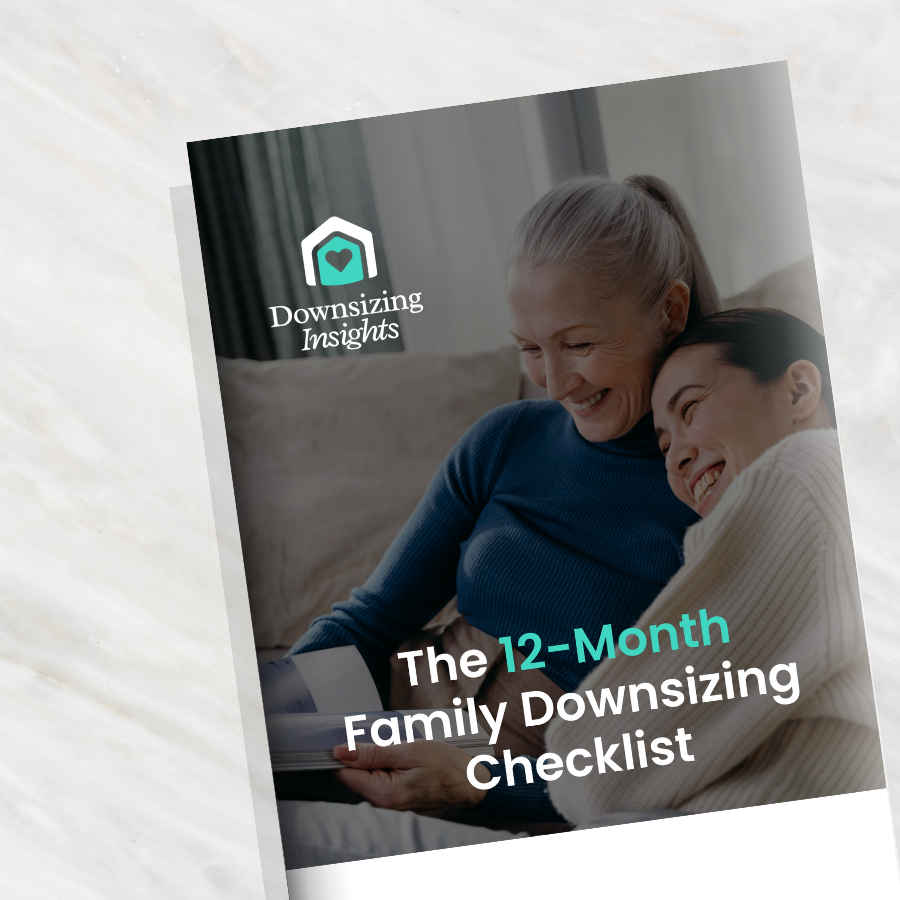
Take your next step forward
You've learned the essentials. Now get the tools to move with confidence and clarity.
.jpg)