Organizing Tips for Small Spaces That Truly Work

Introduction
Standing in a smaller living room, staring at tall stacks of boxes, can feel like a puzzle with missing pieces. The rooms that once swallowed up kids’ sports gear, holiday decor, and extra furniture now feel tight. Many people look for organizing tips for small spaces at this moment and still feel unsure where to start. If that scene sounds familiar, you are not alone.
We see this move differently. A smaller home can be a chance to keep what supports life now and let go of what belongs to earlier chapters. With simple, gentle organizing tips for small spaces, closets feel easier to use, counters stay clear, and it becomes possible to breathe again in every room.
At Downsizing Insights, we walk beside people through this kind of change every day. We combine emotional understanding with very practical organizing tips for small spaces that someone can start in just fifteen minutes at a time. In this article, we share the core principles we use with clients so a smaller home feels calm, not crowded.
Key Takeaways
Start With Less, Not With Bins. Decluttering before any container shopping gives the biggest payoff. When we start with fewer items, every later step feels lighter and more doable. This is where the most powerful organizing tips for small spaces begin.
Use Vertical And Hidden Storage. Vertical space and tucked-away spots often sit empty while closets and counters overflow. When we use walls, the backs of doors, and high shelves, a small home suddenly holds much more. These changes do not require major projects or big budgets.
Set Up Clear Zones In Multi-Use Rooms. One room can handle many roles when it has clear zones. Simple visual lines such as rugs, shelving, or a small desk corner help the brain understand what happens where. That keeps shared spaces from feeling messy and confusing.
Protect Your Progress With New Habits. New daily habits protect the work someone has already done. Thoughtful shopping, clear floors, and small, regular cleanups keep clutter from sneaking back. With support from Downsizing Insights, this process stays steady instead of stressful.
Start With Decluttering — Because Less Is Always More
Whenever we help someone apply organizing tips for small spaces, we start with what they own, not with what to buy. In almost every small condo, apartment, or cottage, the true problem is not the square footage — and research backs this up, as half of Americans think at least one room in their home is unsalvageable, often due to clutter rather than size. It is the number of items that try to live there. When shelves bow and drawers will not close, no basket on earth can fix that on its own.
“The best way to find out what we really need is to get rid of what we don’t.”
— Marie Kondo
Decluttering works best when done by category instead of by room. That means pulling all the kitchen gadgets out at once or every coat from every closet. Seeing everything together shows how many duplicates live in the home and which items never get used. As we guide clients, we keep asking a kind, steady question that sits behind all organizing tips for small spaces we share: do I truly need and use this, or am I keeping it out of habit or guilt?
You can make this step even easier by sorting into clear groups such as:
Everyday items used weekly
Seasonal or occasional items
Things kept only for “someday,” guilt, or memory
Letting go carries a lot of feelings, especially for empty nesters and seniors. A casserole dish might hold memories of family holidays, and a box of school art may hold years of love. We never rush that part. Instead, we talk about ways to keep the story without keeping every object, which is one of our favorite organizing tips for small spaces when storage is tight.
Once decisions are made, action matters. Without a clear exit path, clutter simply moves from one corner to another and steals the energy someone gains from using organizing tips for small spaces in the first place.
Donate items that still have life in them. Many people feel better when they know their things will help a neighbor or local group, so we suggest charities, thrift stores, or church sales close to home. A set pickup date keeps those boxes from sitting in the garage.
Sell pieces with real value when the time and energy are there. Online marketplaces and consignment shops can put money back in someone’s pocket, which often makes letting go easier. We help clients decide which items are worth the effort.
Recycle or toss what is broken, stained, or unsafe. Keeping these items “just in case” blocks better use of limited space and does not serve anyone. A clean sweep here supports all the other organizing tips for small spaces that follow.
As you sort, three short questions can help:
Do I use this now, or am I saving it for a version of life I no longer live?
Would I buy this again at full price today?
If this disappeared, would I be relieved, neutral, or upset?
Decluttering is not a one-time event. Any time a drawer sticks or a closet rod looks crowded, we suggest a quick review session. Every round of letting go makes room, both on the shelves and in the mind, for the people and activities that matter most right now.
Use Every Inch — Go Vertical and Maximize Hidden Storage
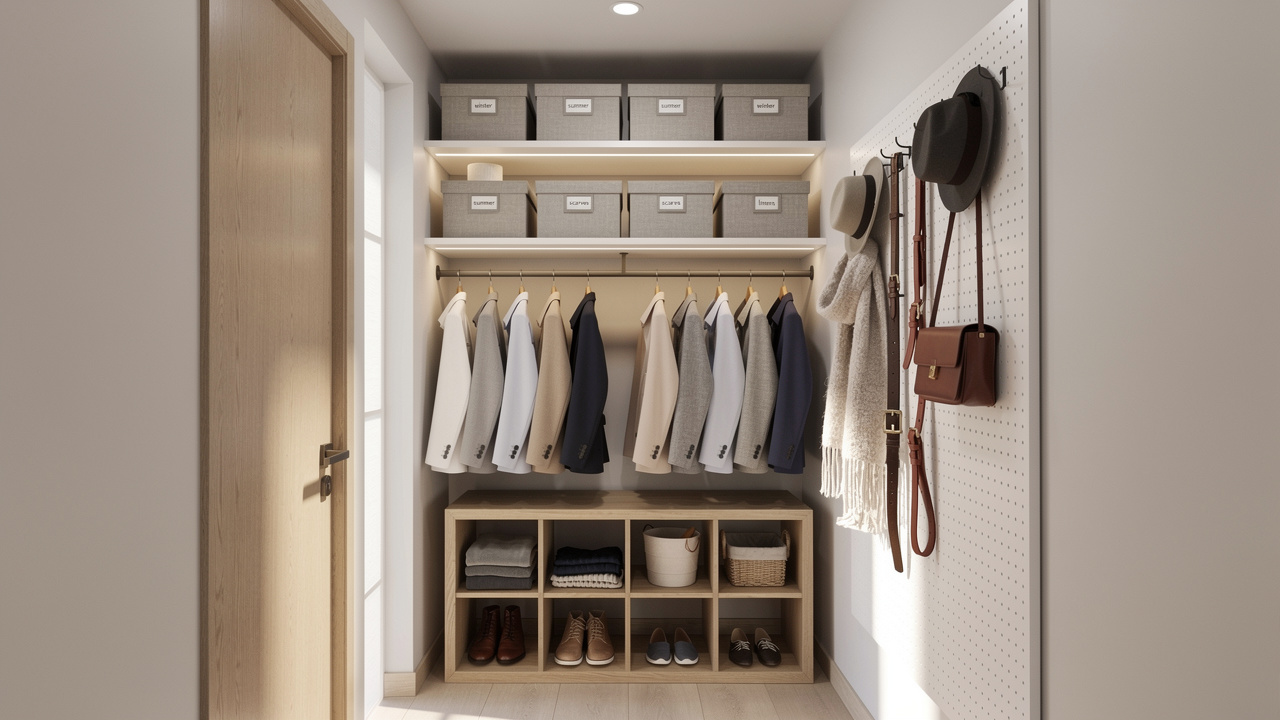
Once fewer items remain, the next wave of organizing tips for small spaces focuses on how to store what is left. Most homes waste a surprising amount of empty air near ceilings, at the backs of doors, and above closet shelves — and maximizing space through creative storage solutions for modern homes shows just how much potential these overlooked areas hold. When we start to use those areas, space seems to appear out of nowhere.
Walls are our first stop. Short, wide bookcases eat up floor area without giving much back, so we switch them for tall, narrow shelves that reach up. Wall-mounted shelves over a sofa, desk, or washer hold books, baskets, or seasonal bins while keeping pathways open. In kitchens or hobby areas, simple pegboards turn a blank wall into flexible storage where hooks and small shelves can move as needs change. These are some of the most budget-friendly organizing tips for small spaces, and they also draw the eye upward, which makes a room feel taller.
A few quick vertical storage ideas:
Use tall bookcases instead of low ones, and anchor them safely to the wall.
Add a shallow shelf above door frames for books, hats, or decor.
Hang pots, pans, or cooking tools on a rail instead of stacking them.
Closets often hide the biggest chances to change how a small place feels. A single rod with one shelf above it leaves a lot of empty space below the hanging clothes and above the top shelf. We like to add a second rod under shirts and jackets to double the hanging area and then tuck a low dresser or cube unit under longer items. Extra shelves at the very top hold suitcases, holiday decor, or off-season bedding. With this kind of setup, organizing tips for small spaces move from theory into daily comfort every time someone gets dressed.
Doors are another favorite secret weapon. The back of a pantry, bedroom, or bathroom door can hold an organizer for shoes, scarves, cleaning items, or extra toiletries. These hangers usually slip right over the top of the door, which works very well for renters and retirement community residents. It is a simple way to make organizing tips for small spaces work even when drilling into walls is not an option.
In small bathrooms, we almost always suggest a medicine cabinet instead of a flat mirror. Those few inches of depth give several narrow shelves where bottles, pills, and daily items line up in clear view. That keeps counters clearer and makes mornings easier, especially for seniors who appreciate not having to bend or search.
“Clutter is not just the stuff on your floor — it’s anything that stands between you and the life you want to be living.”
— Peter Walsh
The best part is that most of these changes take an afternoon, not a full remodel. A few smart products, chosen with care, turn hidden spots into quiet workhorses that support a calm, tidy home.
Create Functional Zones and Rethink Your Layout
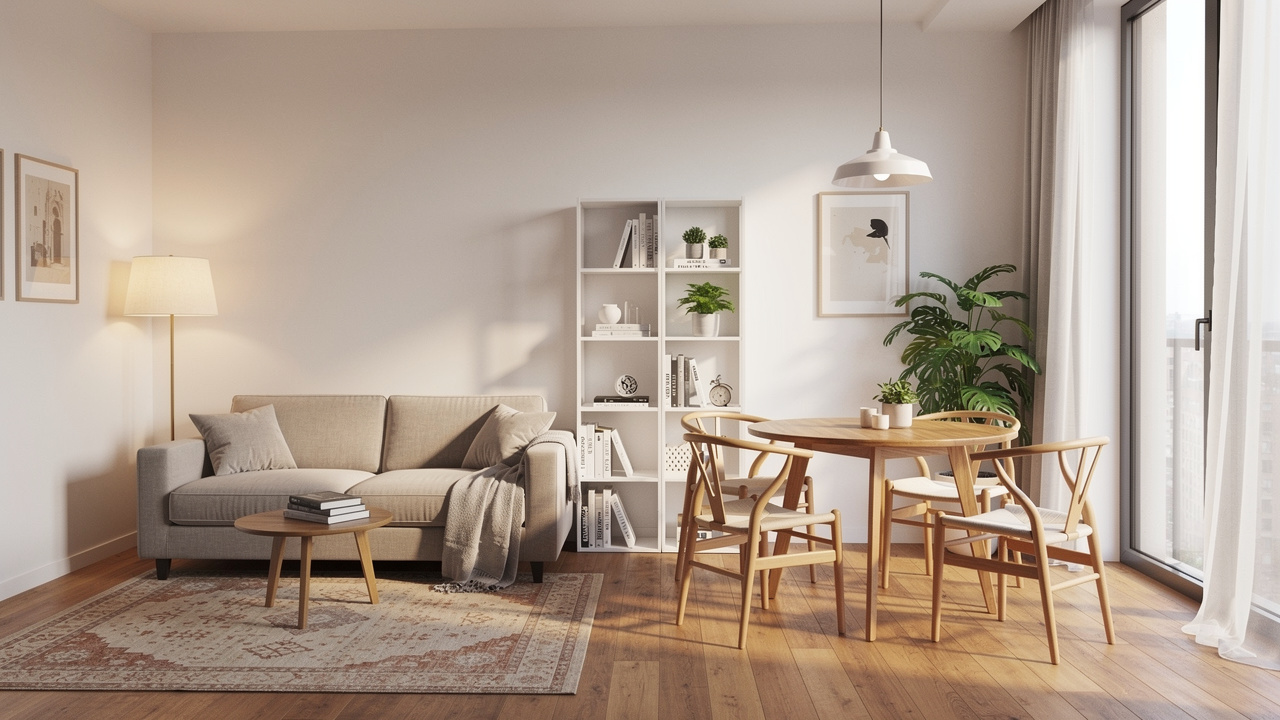
Many of the people we help worry that a single room has to “do it all” and will always feel messy. One living area may double as a dining room, office, and play space for visiting grandchildren. Our organizing tips for small spaces show that this can work very well when each activity has a clear zone.
Zoning simply means giving different parts of a room their own role. Helpful tools for setting zones include:
Area rugs to outline where sitting or playing happens
Lighting, such as a pendant over a dining table or a lamp by a reading chair
Bookcases or open shelving units used as gentle room dividers
A small desk or console that marks a work area
An area rug under the sofa and coffee table marks a sitting area. A dining table with a simple light above it becomes the eating spot, even if it sits at the other end of the same room. A bookcase or open shelving unit can work like a gentle wall, separating a work corner or toy area from the rest of the space while still letting light through. When people follow these organizing tips for small spaces, guests can see the plan right away, and the room feels settled instead of random.
Work areas need thought too. A slim secretary desk or small writing desk tucked against a wall can turn a quiet corner into a real home office. When the workday ends, closing the desk hides papers and devices so the room returns to its main purpose. Older adults often tell us this one change helps them feel like they really clock out, which is one reason we include it often in our organizing tips for small spaces.
Play zones for children or grandchildren deserve a simple setup. We like one low shelf or cubby unit in a set corner with a rug in front of it. Toys live on the shelf and come out to the rug, then go back before bedtime. This approach keeps plastic bins from spreading across the floor and fits neatly with other organizing tips for small spaces that aim for clear walking paths.
Rolling carts bring another layer of flexibility. A three-tier cart can swing between uses as a craft station, tea and snack cart, or extra kitchen prep space. When company comes, it rolls into a closet or against a wall. This kind of mobile piece supports all the zoning work by moving only when needed.
We also invite people to question the labels on their floor plan. A big entry closet might function better as a pantry, while hooks and a bench along the wall take over the coat storage. A small storage room might make a perfect office or exercise nook. Through our personalized roadmaps at Downsizing Insights, we break these choices into simple, written steps so that organizing tips for small spaces turn into a clear room-by-room plan, not a vague wish.
Build Habits That Keep Clutter From Coming Back
After someone spends time decluttering and setting up zones, the fear often pops up that all the hard work will slide backward. Long-term success with any organizing tips for small spaces rests more on habits than on pretty bins. The good news is that these habits are small and gentle, not harsh.
We talk first about being a gatekeeper. Before a new item enters the home, we pause and ask where it will live, whether something already serves the same job, and whether it does more than one thing. A simple one-in, one-out rule for clothes, books, and household items keeps numbers steady. This quiet filter supports every other set of organizing tips for small spaces someone uses, because fewer new things arrive to crowd the shelves.
Next, we protect the floor. When shoes, toys, laundry baskets, and paper bags live on the floor, a home feels cramped and hard to clean. We use shelves, small racks, wall hooks, and over-the-door holders so that almost everything has a raised place to land. A clear floor makes a small home feel larger and gives older adults safer walkways.
We also rethink bulk buying. Large packs of paper goods or pantry items can look like a bargain, yet they need space that many smaller homes do not have. We often suggest buying less at a time and restocking more often instead. This single shift supports many organizing tips for small spaces, because cabinets no longer overflow with months of extras.
Finally, we favor furniture that works twice. Storage ottomans, coffee tables with drawers, and beds with built-in drawers can replace extra chests and trunks. This means fewer heavy pieces to move and more hidden spots for blankets, linens, and hobbies.
To make these habits stick, we often suggest:
A five-minute tidy at the same time each day
A short weekly review of one drawer, shelf, or basket
A simple rule that anything used daily should be easy to reach and easy to put away
Over time, these habits start to feel natural. Clutter has fewer chances to sneak back in, and the home stays closer to the peaceful place someone worked so hard to create.
Conclusion
Moving into a smaller home asks a lot, both from the body and the heart. With steady organizing tips for small spaces, the shift becomes far more manageable. Decluttering first, using vertical and hidden areas, setting up clear zones, and building simple habits all work together to support the life someone wants now.
At Downsizing Insights, we offer tools that make this process less overwhelming. Our free Downsizing Checklist and Readiness Self-Assessment help people decide when and how to start using these organizing tips for small spaces. When a person wants deeper help, our personalized roadmaps and guided support break the work into clear, written steps, from first drawer to final room. We are here to walk beside anyone facing this kind of change so a smaller space feels like a fresh, calm chapter instead of a burden.
FAQs
Where Do I Start When Organizing a Small Space?
We suggest starting with decluttering before buying any baskets or bins. Pick one very small area such as a single drawer or one shelf and finish that spot completely. This builds confidence and shows quick progress. Our Downsizing Checklist gives a simple order of tasks and adds more organizing tips for small spaces when someone is ready.
How Do I Let Go of Sentimental Items When Downsizing?
This is often the hardest part, and the feelings are real and important. We talk about choosing a few special items to keep and taking photos or writing short notes about the rest. That way the memory stays even when the object moves on. Through one-on-one support, Downsizing Insights gently guides people through these emotional choices so they feel heard, not rushed.
What Are the Best Storage Options for a Small Apartment or Home?
The best storage grows up the walls and hides inside furniture. Tall shelves, wall-mounted racks, storage ottomans, and beds with drawers all add space without crowding the floor. Over-the-door organizers help in closets, bathrooms, and pantries. The most helpful organizing tips for small spaces always begin with owning less before adding any containers.
How Can I Stay Organized in a Small Space Long-Term?
Long-term order comes from many small actions done often. Practice the one-in, one-out rule, schedule short decluttering sessions, and keep floors as clear as possible. Give every item a clear home so it is easy to put away. If someone wants a detailed plan, our personalized roadmaps at Downsizing Insights provide a custom path that fits their pace and needs.
Take your next step forward
You've learned the essentials. Now get the tools to move with confidence and clarity.
.jpg)