
Staging a Home for Downsizing Sale: Complete Guide

Introduction
The first time we walk through a home with a client who is downsizing, we can almost feel the memories in the walls. Photos on the mantel, marks on the doorframe from growing kids, the chair where someone always sat to read the paper. Letting go of that space is not simple, and staging a home for downsizing sale can stir up strong feelings.
There is also a very real financial goal. For many owners, this house holds years of savings. The sale may help fund retirement, a smaller home, or a move closer to family. Smart staging helps buyers see the best version of the house and helps sellers protect the value they have built.
Staging is not just about pillows and fresh towels. It is about helping buyers picture their future in the space while you prepare for your next chapter. Good staging clears visual noise, highlights what matters, and makes rooms feel open, calm, and well cared for. It can even add a little emotional distance, which often makes saying goodbye easier.
In this guide, we walk through staging a home for downsizing sale step by step. We start with rightsizing and decluttering, then move room by room, from curb appeal to the finishing touches. We also share how professional support, including the team at Downsizing Insights, can make the process clearer and less stressful.
Key Takeaways
Start rightsizing and decluttering about three months before listing. That pace gives time to sort possessions, avoids last‑minute panic, and lets staging focus on presentation instead of emergency clean‑up.
Build a support team. A Seniors Real Estate Specialist (SRES®), professional organizer, and stager understand downsizing needs, help you set priorities, and keep the process moving.
Use a simple four‑category system (Keep, Sell, Give Away, Decide Later) to guide decisions. As extra items leave, rooms feel larger, safer, and easier for buyers to imagine as their own.
Plan room‑by‑room staging so each space has a clear purpose. Strong curb appeal, a welcoming entryway, and small touches in lighting, scent, and comfort shape the buyer’s first impression.
Downsizing Insights provides tools, assessments, and introductions to pre‑vetted SRES® agents and their networks, so you do not have to manage this major change by yourself.
Why Staging Matters Even More When Downsizing
When we help clients with a downsizing sale, we often walk into homes that have held family life for decades. That history is beautiful, yet it can work against a sale if buyers cannot see past it. Staging helps buyers see a clean, open space instead of a house full of someone else’s life.
Buyers react strongly to how a home feels the moment they step inside. Thoughtful staging clears visual clutter, highlights light and space, and directs the eye toward the home’s best features. A well‑presented house tends to sell faster and closer to asking price, which matters a lot when the sale will help pay for retirement or a move to a senior community.
“The way you live in your home and the way you market a house for sale are two different things.” — Common Saying Among Home Stagers
Staging also supports the emotional shift. When family photos come down and extra furniture leaves, the house starts to feel less like “ours” and more like “the home we are selling,” which makes the next step feel more possible.
Building Your Support Team – Professionals Who Make The Difference
Downsizing and selling can feel like too much to handle alone. There are financial questions, timing choices, and hundreds of small tasks. Building a support team turns that heavy load into a shared project.
A good team usually includes:
A real estate agent with downsizing experience
A professional organizer or downsizing coach
A staging consultant or stager
At Downsizing Insights, we treat this team as an investment in both sale results and peace of mind. Instead of searching endlessly online, our clients connect with professionals who already have a strong record with seniors, empty nesters, and families facing major transitions.
Choosing a Real Estate Agent With Downsizing Expertise

The real estate agent often acts as project manager for staging a home for downsizing sale, so their experience and style matter a great deal. Look for someone who listens well, explains clearly, and understands your local market.
For many downsizers, a Seniors Real Estate Specialist (SRES®) is a smart choice. These agents receive extra training in the financial and emotional needs of older adults. They understand issues like timing a move with retirement income, planning for health changes, and working with adult children who may live out of state.
Through Downsizing Insights, clients can connect with pre‑vetted SRES® agents who already work with organizers, cleaners, stagers, and contractors. That means fewer surprises and a clearer path from first meeting to final closing.
Professional Organizers and Staging Consultants
Even the most determined seller can feel stuck facing full closets and packed basements. Professional organizers specialize in rightsizing. They break big projects into small steps, set up sorting stations, and stand beside clients through hard decisions.
Staging consultants focus on presentation. They review paint colors, furniture placement, and decor that will appeal to likely buyers. Many provide a written plan so the family can do most of the work themselves. Through our network at Downsizing Insights, clients often connect with agents whose teams already include these helpers, which turns an overwhelming task into a clear, step‑by‑step process.
The Essential First Step – Rightsizing Before Staging
Before lamps, rugs, or flowers, comes one essential step: rightsizing. That means going through belongings with care so that what remains truly fits the next stage of life. For staging a home for downsizing sale, this is not optional. Buyers must see the space, not the stuff.
We suggest starting rightsizing at least three months before the planned listing date. That window allows thoughtful choices instead of last‑minute box‑stuffing. It also means that, by the time photos are taken, every room already feels lighter and more open.
This process can be emotional. Many items carry memories, yet moving too much into a smaller home can create tripping hazards and daily frustration. When rightsizing is framed as choosing what supports the next chapter, rather than “getting rid of everything,” the work feels more respectful and manageable.
The Four-Category Sorting System

A simple system keeps a big task from spinning out of control. We often use a four‑category method that works in any room:
Keep – Items you use often, that will fit the new home, or that hold deep, lasting meaning.
Sell – Furniture, collectibles, and household goods that still have value but no longer fit your lifestyle. Estate sales, consignment, or online markets help these items find new homes.
Give Away – Possessions that may delight family, friends, neighbors, or charities. Thinking about who might enjoy them often makes letting go easier.
Decide Later – The hardest pieces. This pile needs a deadline so it does not grow endlessly; aim to revisit it near the end of the process.
When every item passes through this same filter, staging a home for downsizing sale feels far less chaotic.
Strategic Questions to Guide Your Decisions
Even with a system, some items are hard to place. A few practical questions can shift choices from emotional to workable:
Have I used this in the last year?
Will it truly fit and function in my next home?
Does it still add comfort or joy, or would a photo of it be enough?
Would someone else enjoy or need this more than I do?
These questions work everywhere: in the kitchen to narrow gadgets, with books to keep true favorites, and in closets to release clothes not worn for a full year. Keeping the deeper reason for downsizing in mind makes it easier to keep what supports that goal and let the rest move on.
Room-By-Room Staging Strategies That Sell
Once rightsizing is underway, you can shift to room‑by‑room staging. Think of each space as a short chapter in a story about comfortable, low‑maintenance living.
Every room should have a clear purpose:
Living room: gathering space
Kitchen: clean, practical workspace
Bedroom: restful retreat
Storage areas: ordered, not overflowing
Simple changes in furniture placement, lighting, and decor can send these signals strongly, especially for older buyers who care about safety, comfort, and easy upkeep.
Living Room – Creating Inviting Gathering Spaces
The living room is often the first major space buyers see. Aim for open, bright, and welcoming. Remove extra chairs, side tables, and oversized entertainment units that crowd the room.
Arrange seating in a simple conversation layout, such as a sofa with two chairs and one coffee table. Pull furniture slightly away from walls to suggest flow. Pack personal photos and large collections before photos are taken, and use a few neutral art pieces instead. During showings, open blinds and turn on all lights so the room feels warm and spacious.
Kitchen – The Heart of The Home
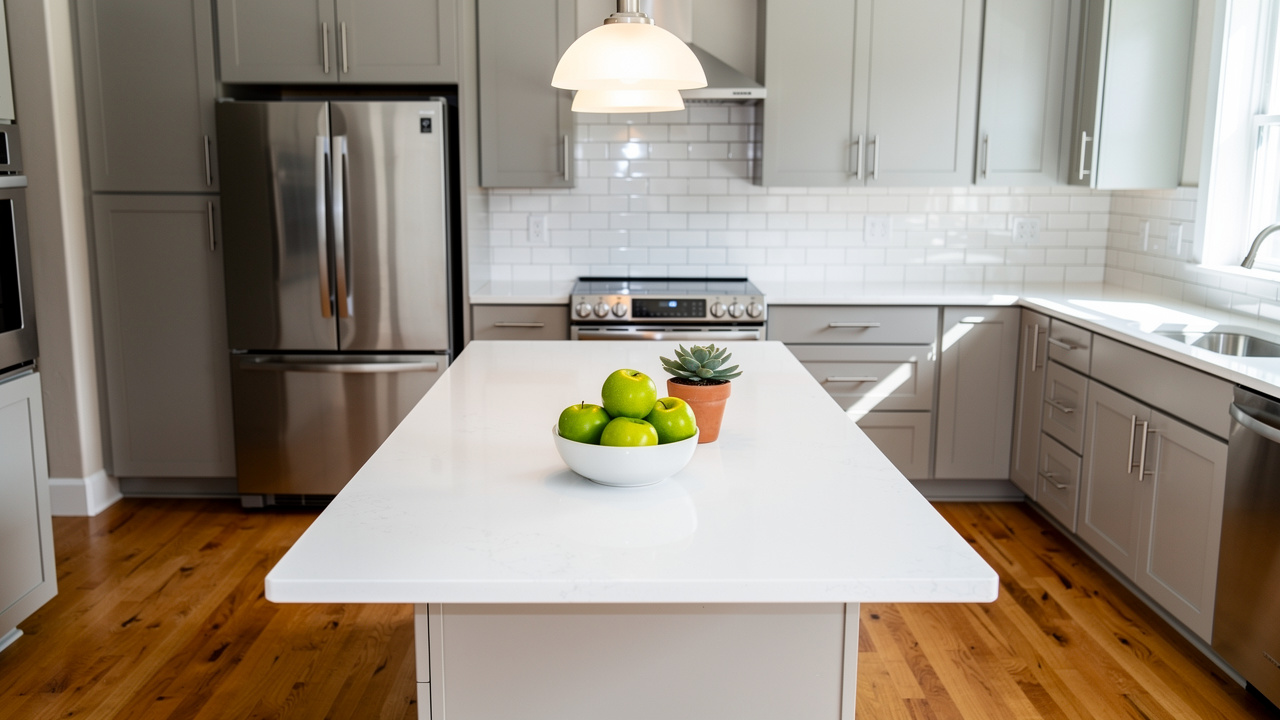
For many buyers, the kitchen is the deciding room. Clear, spotless surfaces send a powerful message. Keep countertops almost empty; leave only a few simple items such as a bowl of fruit or a small plant.
Inside cabinets and the pantry, aim for neat rows and some open space. Buyers often peek inside, and tidy shelves suggest generous storage. Deep‑clean appliances, backsplash, and floors so everything looks well cared for. In a clutter‑free kitchen, buyers can focus on layout and function instead of personal items.
Primary Bedroom – Your Personal Sanctuary
The primary bedroom should feel calm the moment someone steps through the door. Remove stacks of books, exercise gear, and family photos. Keep only key pieces such as the bed, two nightstands, and perhaps a dresser.
Use fresh, neutral bedding with a few pillows for softness, and keep colors simple so the room feels airy. Clear floors and open pathways allow buyers to picture restful nights and easy mornings in this space.
Bathrooms – Creating Spa-Like Retreats
Bathrooms may be small, yet they carry a lot of weight. Focus on spotless surfaces and simple comfort. Deep‑clean sinks, tubs, toilets, grout, and glass so everything shines.
Affordable updates can help: new cabinet hardware, fresh caulk, and brighter light fixtures. Use white or light‑colored towels, a clean shower curtain, and a small set of soaps or a candle. Thick rugs and matching accessories pull the room together and suggest a low‑stress daily routine.
Storage Areas – Closets, Cabinets, and The Garage
Storage often decides whether downsizing feels realistic to buyers. Avoid using closets and the garage as overflow zones.
Aim for closets that look about half full, with matching hangers and items grouped by type. Cabinets should not be packed solid. If you have more to store, consider a short‑term storage unit instead of overfilling the house.
Sweep and organize the garage so buyers can picture both cars and storage. Simple shelving, labeled bins, and clear zones for tools or outdoor gear help buyers imagine their own items fitting easily.
Maximizing Curb Appeal – The First Impression That Counts

Long before buyers see the kitchen or living room, they form an opinion from the street. Strong curb appeal tells them the home has been cared for and is worth their time.
You do not need major construction to get there. Clean lines, trimmed plants, and a clear, safe path to the front door often make the biggest difference. Family members, neighbors, or hired help can usually complete these tasks in a focused weekend.
“First impressions are powerful; buyers often decide how they feel about a home before they reach the front door.” — Common Real Estate Advice
Exterior Maintenance Essentials
Start with the front door area, since buyers pause there while the agent unlocks the house:
Paint or clean the front door; polish or replace hardware.
Add readable house numbers and a simple doormat.
Repair loose railings or cracked steps for safety and appearance.
Then move to the yard:
Mow grass, trim edges, and weed garden beds.
Shape bushes and trees; add a few seasonal flowers.
Power‑wash siding, walkways, and the driveway.
Clean outdoor light fixtures and store tools, toys, and extra pots out of sight.
These simple steps send a quiet message that the home has been loved and maintained.
The Welcoming Entryway
Once buyers step inside, the entryway continues that first impression. Aim for open, bright, and easy to move through.
Keep floors clear of shoes, mail, and bags. If space allows, use a small table or bench, but not both. A mirror or small vase of flowers adds a gentle touch. Good lighting helps buyers pause comfortably, remove coats, and look around. A clear path from the door into the main living area helps them relax and look forward to the rest of the tour.
The Finishing Touches – Details That Strengthen Your Staging
After rightsizing, repairs, and room‑by‑room staging, final details shape how buyers feel as they leave the house. The Power of Staging: A Statistical Look at Selling demonstrates that these touches can be small, but they often make the difference when buyers compare homes later.
Three areas matter most:
Light
Level of personal detail
Physical comfort (temperature, scent, and noise)
By paying attention here, you add a polished layer to all the earlier work.
Lighting – Brightening Every Corner
Light changes how a home feels faster than almost anything else. Before each showing, open blinds and curtains to bring in as much natural light as possible, then turn on all overhead fixtures and lamps.
If a room still feels dim, add a floor or table lamp. In hallways, stairways, and bathrooms, bright, even light also signals safety, which many older buyers value. Clean bulbs and simple, modern shades can freshen a room without a large budget.
The Art of Depersonalization
Depersonalization does not mean erasing all warmth. It means stepping back just enough so buyers can picture their own lives in the home. Aim for buyers to notice the room itself, not the person who lives there now.
Pack away family photos, diplomas, and attention‑grabbing collections. Soften very strong themes or bold colors where possible. At the same time, keep a few neutral touches such as simple art, plants, or a throw blanket. This balance keeps the space welcoming while giving buyers mental room to imagine their own photos and keepsakes on display.
Creating a Comfortable Atmosphere
Comfort is the quiet hero of staging a home for downsizing sale. If buyers feel physically at ease, they tend to stay longer and remember the home more fondly.
Set the thermostat at a pleasant level before every showing. Avoid heavy air fresheners or strong candles. Aim for a mild, clean scent from fresh air, regular cleaning, and perhaps light use of natural oils or fresh flowers.
If you have pets, arrange for them to be out during showings. Hide beds, bowls, and litter boxes, and deal with any pet odors. A home that feels calm, neutral, and clean lets buyers focus on layout and features, not small distractions.
How Downsizing Insights Supports Your Staging Path
At Downsizing Insights, our services grew out of real conversations with families selling long‑time homes. Staging a home for downsizing sale sits at the center of those needs, because it links emotional work with financial goals.
One of our key roles is connecting clients with pre‑vetted SRES® agents who combine strong market knowledge with real empathy for older adults and their families. Many of these agents bring trusted networks of organizers, cleaners, contractors, and stagers who understand downsizing, so you do not have to sort through long lists of names alone.
We also offer readiness assessments and planning tools that help you decide when to start and how fast to move. Our expert‑led webinars and city‑specific guides cover decluttering methods, staging priorities, and timing a sale in your local market. Through it all, we keep both the tasks and the feelings in view.
Navigating The Emotional Side of Staging and Selling
We never treat staging a home for downsizing sale as just another chore. For many people, this is the home where children took first steps, holidays were shared, and major life events unfolded. It is normal to feel sadness, worry, or guilt while packing up.
Talking about these feelings often helps the work move forward. When families share memories while sorting, or when parents tell adult children why certain items matter, decisions become kinder and clearer. Some clients choose to speak with a counselor, faith leader, or trusted friend during this time for extra support.
“Letting go of things is often the step that makes room for what comes next.” — Common Downsizing Advice
It also helps to remember the deeper reason for downsizing: less housework, better safety, time near grandchildren, or more room in the budget. Keeping that purpose in mind turns rightsizing and staging into steps toward something better, not just a series of losses. Give yourself breaks, celebrate small wins, and be patient with yourself and your family.
Conclusion
Staging a home for downsizing sale brings together two big parts of life at once: the practical task of selling and the emotional task of letting go. With clear steps, the right help, and a kind attitude toward yourself, the process does not have to feel chaotic.
Rightsizing, room‑by‑room staging, and strong curb appeal support both a better sale price and a shorter time on the market. At the same time, each step creates a bit of gentle distance, so saying goodbye to a long‑time home feels more manageable.
You do not have to do this alone. Downsizing Insights offers planning tools, guides, and connections to caring SRES® agents and their networks. Together, we can turn staging a home for downsizing sale into a clear series of steps that respect both your heart and your wallet.
FAQs
Question 1: How Far in Advance Should I Start Preparing My Home for Sale When Downsizing?
We usually suggest starting rightsizing and decluttering about three months before you plan to list. That time frame lets you work at a steady pace instead of rushing. Actual staging of furniture and decor can happen closer to the listing date. Planning tools and readiness assessments from Downsizing Insights can help you set a timeline that fits your health, schedule, and local market.
Question 2: Is Professional Staging Worth The Investment for a Downsizing Sale?
For many sellers, professional staging—or at least a consultation—pays off. Home Staging Statistics in 2024 show that staged homes often sell faster and for more than similar unstaged homes. A stager sees the house through a buyer’s eyes and designs a clear plan to highlight strengths and soften weak spots. Even a short visit with written notes can guide your own work. SRES® agents in the Downsizing Insights network can give honest advice on whether full staging, partial staging, or simple touch‑ups make the most sense for your price range and area.
Question 3: What’s The Most Important Room to Stage When Downsizing?
The kitchen and primary bedroom usually carry the most weight with buyers. In the kitchen, clear counters, clean appliances, and tidy storage help buyers focus on layout and function. In the primary bedroom, calm colors, simple furniture, and full depersonalization create a restful feel most buyers want. Curb appeal and the entryway also matter a lot, since they form first impressions.
Question 4: How Do I Stage My Home While Still Living in It During The Selling Process?
This is very common when downsizing. Many sellers rent a small storage unit for extra furniture, seasonal items, and packed boxes so the home looks open while they still live there. A simple daily routine—making beds, clearing counters, and doing a fast floor check—keeps the home show‑ready. Some families use one small closet or drawer for daily items that can be tucked away right before buyers arrive. Professional organizers, often reached through SRES® agents, can design easy systems so the house stays presentable without wearing you out.
Question 5: Should I Update or Renovate Before Staging and Selling?
Not every update pays for itself, so talk with your real estate agent before planning major work. In many markets, fresh neutral paint, minor repairs, and deep cleaning bring the best return for the lowest cost. Fixing leaky faucets, loose handles, or cracked tiles shows that the home has been cared for. Large projects, such as full kitchen or bath remodels, are rarely needed unless your agent strongly recommends them for your price range. Focus on changes that make staging a home for downsizing sale more effective, rather than on big construction projects.
Take your next step forward
You've learned the essentials. Now get the tools to move with confidence and clarity.
.jpg)