This page covers the local picture. The Complete Downsizing Kit covers the rest: six guides, one clear sequence, from finances to the final move. $94 for instant access.
.png)
Downsizing in Prince William County, Virginia usually means selling a long-held family home in a place like Woodbridge, Dale City, Lake Ridge, or Manassas, and moving into something that fits your life now rather than the one you built decades ago. That might be a smaller house a few streets over, a 55+ community in Gainesville or Haymarket, or a move out of the area entirely to be closer to family. The decision touches money, memory, and logistics at once, and figuring out where to start is often the hardest part.
This guide walks through what that looks like locally, the kinds of homes people are leaving, what usually prompts the decision, where people actually move to, and what it costs once closing fees, taxes, and clean-out work are added up. It also covers the parts of downsizing that are harder to plan for, like sorting a lifetime of belongings and the emotional weight of leaving a home tied to family history. Downsizing Insights put this together as a place to think through those pieces at your own pace, without pressure to decide anything today.
What Downsizing Looks Like Here

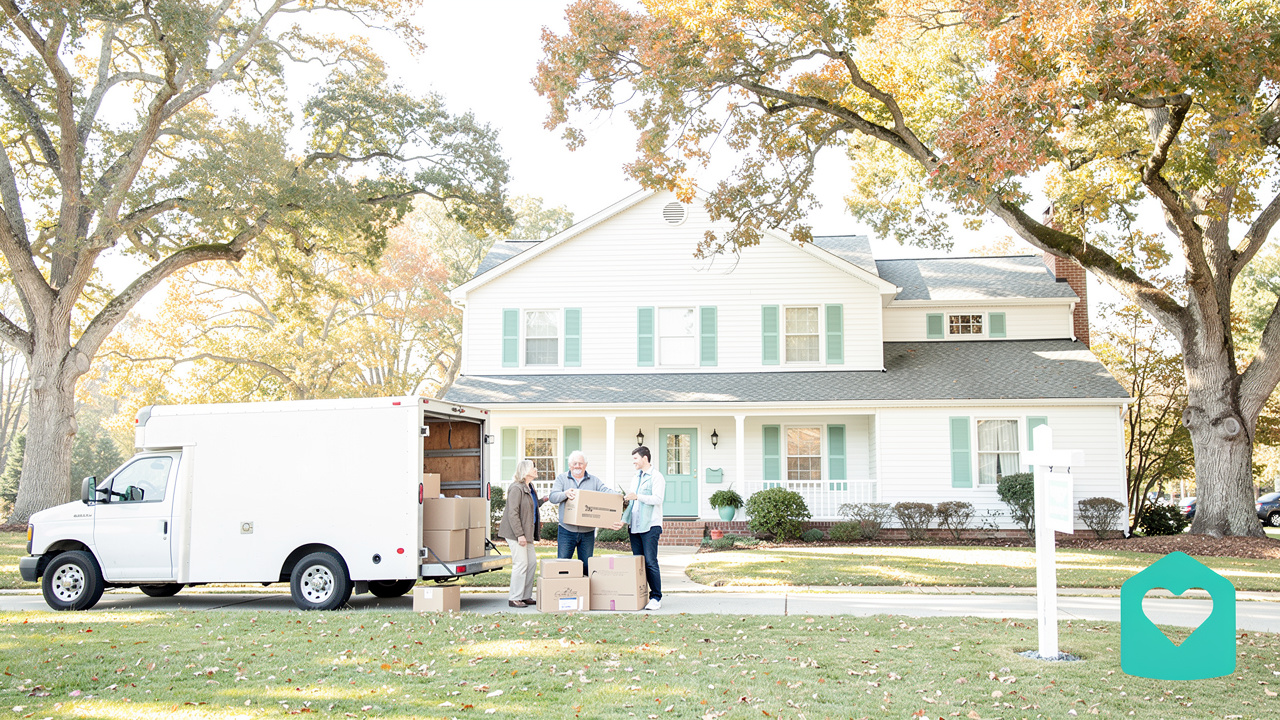
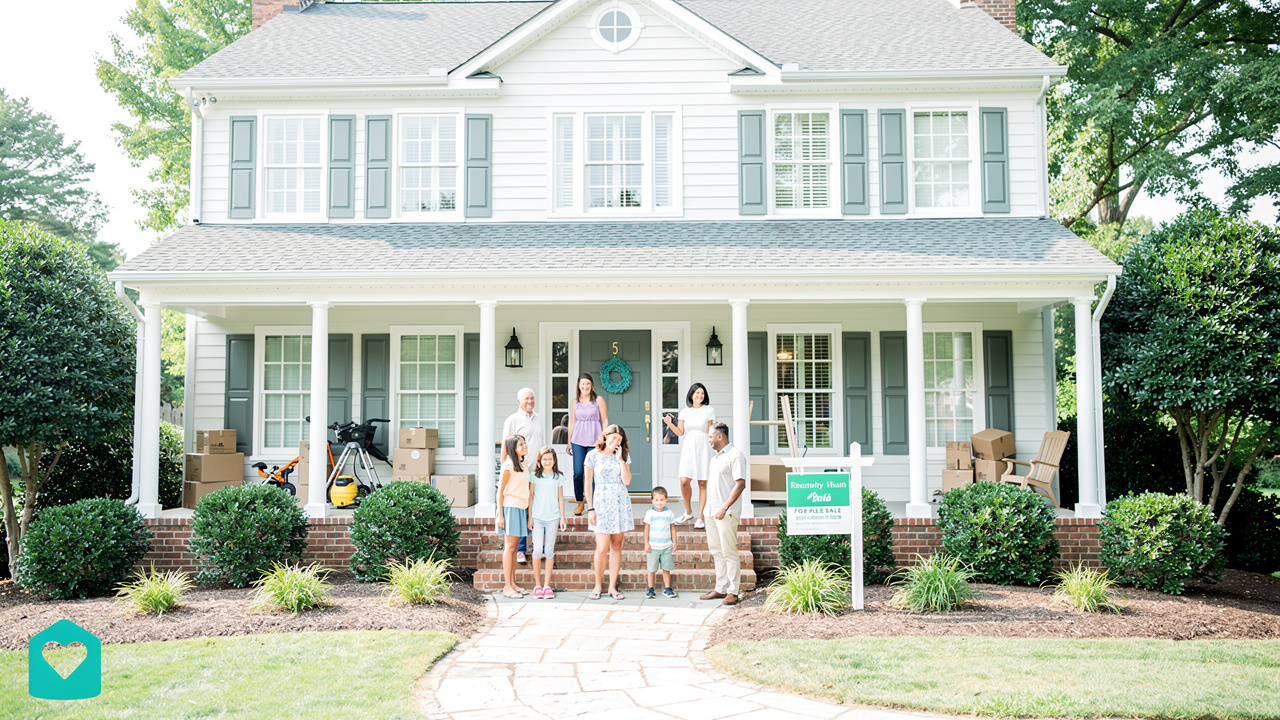
Downsizing in Prince William County typically starts with a home that was exactly right for raising a family and has slowly become more house than one or two people need. These are usually the four and five bedroom colonials and split-levels built between the late 1980s and early 2000s, sitting on a third of an acre or more, in neighborhoods built for families with growing kids. The homes themselves haven't changed, but what a household needs from them has, and that gap is where the conversation about downsizing usually begins.
The House People Are Leaving
Most of these homes run somewhere between 2,000 and 3,500 square feet, with two full stories, a basement, and a yard that took a Saturday morning to maintain when the kids were young. Over time, a few features start to feel less like assets and more like obstacles:
- Stairs that once felt ordinary become a daily consideration
- A roof or HVAC system installed in the 1990s starts asking for attention right when a homeowner would rather not think about it
- A yard that once meant space for kids and dogs now means upkeep with no one left to enjoy it day to day
None of this means the home was a poor choice. It was probably exactly right for a family that needed bedrooms for kids, a yard for a dog, and space for holidays with extended family. It's just that the same features that made it work then, room to grow into, land to maintain, stairs that separated living space from sleeping space, are the ones that start to feel like work now.
What "Smaller" Means in Dollars and Square Feet
In Prince William County, "smaller" usually means somewhere in the 1,200 to 1,800 square foot range, whether that's a villa, a condo, or a compact single-family home. Price tags vary a lot depending on where you land. A condo in a 55+ community might cost less than the family home being sold, while a similarly sized single-family home in a newer development can run more per square foot than the older, larger house it's replacing.
That last part catches people off guard. Smaller doesn't automatically mean cheaper once you factor in newer construction, HOA amenities, or a more sought-after location. What usually does go down is the ongoing cost, utilities, upkeep, and repairs on a smaller footprint tend to add up to a lot less over a year, even if the purchase price itself isn't dramatically lower.
What Prompts the Decision
What prompts someone to start downsizing in Prince William County usually comes down to a short list of practical realities rather than one dramatic event. Most homeowners describe a slow build rather than a single turning point, a yard that takes longer to keep up, stairs that feel different than they used to, or grandchildren who live an hour or more away. None of these reasons need to add up to a crisis before they're worth paying attention to.
Why It Usually Comes Down to a Few Things
Three reasons show up again and again among homeowners in this part of Virginia:
- Yard and home maintenance becoming harder to keep up with
- Wanting single-level living, especially once stairs stop being background detail and start factoring into daily decisions
- Wanting to live closer to grandchildren or adult children, even if that means leaving a neighborhood that's been home for decades
None of these reasons has to reach a crisis point before it's worth a conversation. Once you know your own "why," it shapes almost everything that follows, whether a 55+ community, a smaller single-family home, or a move near family makes the most sense for you. People who skip this step and downsize based on square footage alone often find themselves in a home that's smaller but not actually a better fit for how they live.
Where People Move To
People downsizing out of a long-held Prince William County home generally land in one of three places, a smaller home nearby, a 55+ community within the county, or a home closer to family somewhere else entirely. None of these is a better or more responsible choice than the others. They're just different answers to different versions of the same question, what does daily life need to look like from here.
Staying in Prince William County, Just Smaller
Plenty of people downsize without leaving the area at all, moving into a smaller single-family home or condo in Woodbridge, Dale City, Lake Ridge, or Manassas. This route keeps you close to the same doctors, church, grocery store, and friends you've relied on for years, which matters more to some people than any amenity a new community could offer.
The tradeoff is that a smaller single-family home usually still comes with some yard and some maintenance, just less of it than before. For someone who wants to cut lawn care and repairs out of their life almost completely, that may not go far enough, which is part of why 55+ communities have become such a popular option in this same area.
55+ Communities in the Area

Prince William County has a handful of established 55-and-over communities that let residents trade yard work and repairs for a more social, low-maintenance lifestyle without leaving the region. Heritage Hunt in Gainesville is one of the most established, built around a golf course and clubhouse with a genuinely active social calendar. Regency at Dominion Valley in Haymarket offers a similar setup, with golf access and a full slate of clubhouse programming. Four Seasons at Virginia Crossing, closer to Woodbridge, leans toward villas and condo-style homes for people who want even less upkeep.
HOA fees in these communities typically cover exterior maintenance and landscaping, and often include access to the clubhouse, pool, and fitness facilities, which is part of what residents are paying for beyond the home itself. Rough pricing varies by home size and community, but villas and attached homes tend to sit below the cost of a comparable single-family house nearby. Some people choose to leave Prince William County entirely to be closer to family, and that's just as valid a choice as staying, not a sign of poor planning.
Market and Timing
Market and timing questions come up early for most people considering a downsizing move in Prince William County, mostly because the answer shapes whether to sell first or buy first. Smaller homes and condos in the county tend to attract more interest relative to their supply than larger single-family listings, partly because there's less of that inventory available. That doesn't mean every smaller listing sells right away, but it does mean buyers interested in a condo or villa in a popular 55+ community may find fewer options at any given moment.
What the Local Market Looks Like
Home prices across Prince William County have generally trended upward over the past several years, in line with broader patterns across Northern Virginia. Smaller homes and condos, especially those in established 55+ communities, often move at a different pace than larger single-family inventory simply because there are fewer of them on the market at any moment. That relative scarcity is a market condition worth knowing about, not a reason to rush a decision.
Listing activity in the county tends to follow familiar seasonal patterns, with more homes coming to market in spring and early summer and fewer new listings over the winter months. That pattern applies to both the home someone is selling and the smaller home or community they're considering. Knowing this is useful context for planning a timeline, and it's a question worth raising with a local agent, though it isn't a reason to build a decision around a particular season.
What It Actually Costs

Downsizing in Prince William County costs more than just the price difference between the old home and the new one. Closing costs, moving expenses, and the work of preparing a decades-old home for sale all add up, and most of them are easy to underestimate until they're sitting in front of you as an actual bill. Getting a realistic sense of these costs early makes the rest of the planning a lot less stressful.
The Costs People Don't Plan For
Virginia charges a state transfer tax on real estate sales, historically paid by the seller, along with a local recordation tax typically paid by the buyer, and both should factor into your closing cost estimate. On top of that sits the cost of the move itself, packing, a moving company, and possibly short-term storage if there's a gap between selling and settling into the next place.
The cost that catches most people off guard isn't the move at all. It's the clean-out and prep work beforehand hauling away furniture that won't fit the next home, patching walls, updating decades-old fixtures, and sometimes paying for a dumpster or junk removal service. A professional home valuation early in the process gives you a real number to plan around, rather than the rough estimate an online tool provides, which often misses the specific condition and upgrades of your actual home.
Taxes When You Sell in Virginia
Taxes change the financial picture of downsizing in Prince William County more than most people expect, and getting good guidance before you list matters more than sorting it out after the sale closes. The federal capital gains exclusion is the biggest factor for most longtime homeowners, but Virginia and the county both have their own tax considerations worth understanding too. None of this replaces a conversation with a tax professional, but knowing the basic shape of it helps you ask better questions.
How the Numbers Can Shift
Under federal tax law, homeowners who've used a property as their primary residence for at least two of the last five years can typically exclude a portion of the capital gains from the sale. That exclusion tops out at $250,000 for an individual filer and $500,000 for a married couple filing jointly, according to IRS guidance on selling a primary residence. For homeowners who bought decades ago in Woodbridge, Dale City, or Manassas and have seen substantial appreciation since, this exclusion often covers most or all of the taxable gain.
Major home improvements made over the years can raise your cost basis, which lowers the taxable gain, so it's worth pulling together old renovation records before meeting with a tax advisor. Prince William County also offers a Real Estate Tax Relief program for qualifying seniors, which can reduce property tax obligations on a remaining or future home. A Virginia-based CPA or tax advisor is the right person to work through your specific numbers, not a general online calculator.
The Harder Part Nobody Talks About
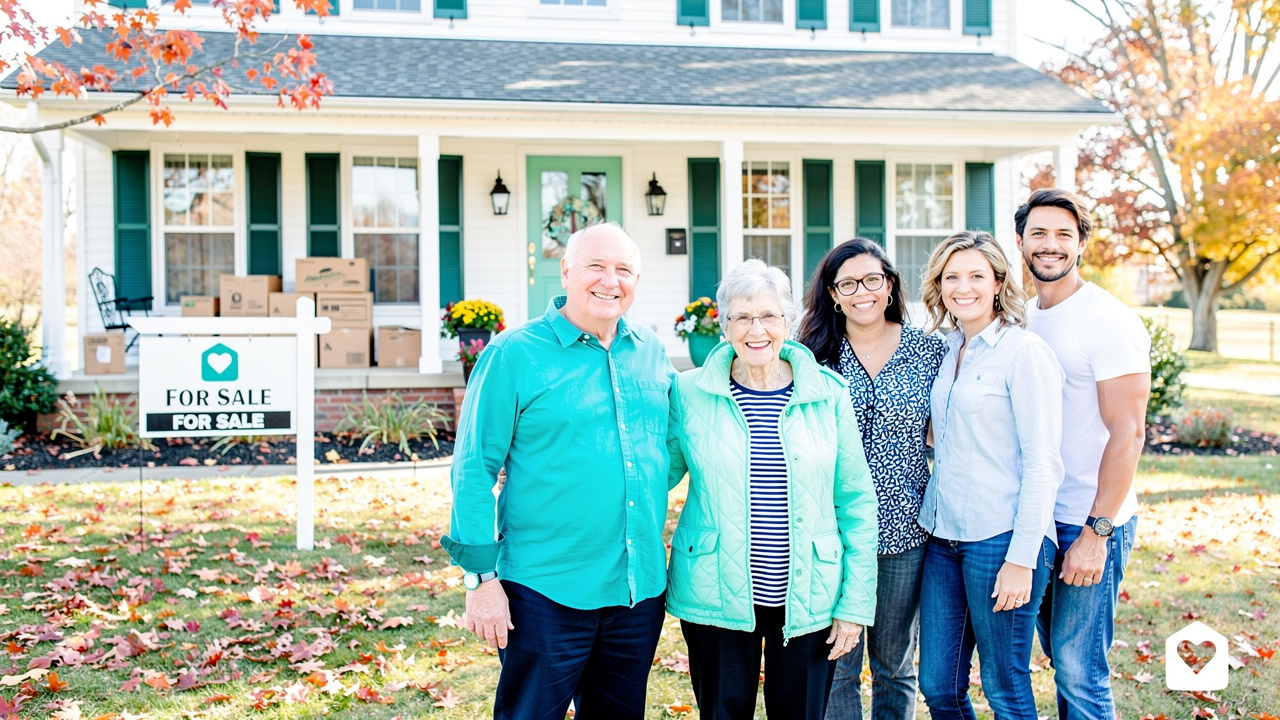
The harder part of downsizing in Prince William County usually isn't the paperwork or the packing, it's the identity and family questions that come with leaving a home tied to decades of memory. Spouses or partners often reach readiness at different times, and adult children may feel more attached to the house or its contents than the parent selling it does. None of this means something has gone wrong. It means the process is asking something real of the people going through it.
Naming What's Actually Going On
Leaving a home where children grew up, where holidays happened every year, and where a whole life took shape can bring up grief even when the move itself is the right decision. That grief isn't a sign of hesitation or poor planning, it's just what it feels like to close one chapter of life and open another. It's common for one partner to feel ready well before the other does, and for adult children to have their own feelings about a house that isn't technically theirs to decide on.
What tends to help isn't a service you can hire, it's time and honesty. Giving sentimental decisions more room than practical ones, talking openly with a spouse or adult children about where everyone actually stands, and not rushing the parts that carry the most weight all make a real difference. There's no professional who can do the emotional part for you, and no checklist that replaces simply giving it the time it needs.
Sorting Through Belongings

Sorting through belongings is often the part of downsizing in Prince William County that feels the most impossible before you start and the most manageable once you're actually in it. The trick is starting with the easiest decisions instead of the hardest ones, building some momentum before facing the boxes that carry real sentimental weight. A little structure goes further here than willpower does.
A Realistic Sorting Timeline
Most people do better starting three to six months ahead of a planned move, beginning with duplicate kitchen items, furniture that won't fit the next home, and anything that's clearly not coming along. Heirlooms, photographs, and sentimental keepsakes go last, once there's more time and less pressure to make those calls quickly. Adult children sometimes want less from the house than parents expect, and it's worth asking directly rather than assuming.
For everything that isn't staying in the family, there are a few well-worn local paths, and having a simple system for tracking decisions room by room makes the whole process feel less like a mental juggling act. Downsizing Insights' 12-Month Family Downsizing Checklist is one way to keep track of what's been sorted, donated, or set aside, without having to hold the whole plan in your head.
- Estate sale companies handle pricing and selling larger volumes of household items in one weekend, which suits homes with a lot of furniture and collectibles.
- Consignment shops work well for furniture and decor in good condition that someone else would want to buy rather than take for free.
- Donation pickup services are often the simplest option for clothing, books, and household goods that still have some life left in them.
- Junk removal services clear out whatever is left, the broken, outdated, or simply unwanted items nobody else wants.
Finding the Right Kind of Help

Finding the right kind of help during a downsizing move in Prince William County starts with knowing that different professionals handle different pieces of the process, not one person handling everything at once. A real estate agent handles the sale, a move manager handles the physical transition, an organizer handles the sorting, and a tax advisor handles the numbers. None of them are the fix for the emotional weight of the process, but each can take a specific piece of the practical load off your plate.
Who Actually Does What
Senior Move Managers, often certified through the National Association of Senior Move Managers (NASMM), coordinate the physical side of a move, from sorting and packing through coordinating movers and setting up the new home. Real estate agents with a Seniors Real Estate Specialist (SRES) designation bring specific experience with the financial and emotional sides of a senior sale, rather than treating it like any other listing.
Professional organizers help work through belongings in a structured, room-by-room way, and tax professionals answer the Virginia-specific questions raised earlier around capital gains and property tax relief. You may find it helpful to speak with one or more of these specialists depending on what feels hardest about your particular situation, whether that's the physical sorting, the sale itself, or the numbers behind it. The Readiness Self-Assessment Guide from Downsizing Insights is a low-pressure way to think through where you actually stand before reaching out to anyone.
- Senior Move Managers (NASMM-affiliated) handle packing, coordinating movers, and setting up the new home from start to finish.
- Senior Real Estate Specialists (SRES-designated agents) bring real estate experience specific to selling a longtime family home.
- Professional organizers help sort belongings room by room in a structured, unhurried way.
- Tax professionals answer Virginia-specific questions about capital gains and property tax relief.
Frequently Asked Questions
These are the questions that come up most often from people in Prince William County who are early in thinking about downsizing, whether they're weighing a move to a 55+ community or just trying to understand the tax and cost side of selling a longtime home. None of these answers require you to have decided anything yet.
Is It a Good Time to Downsize in Prince William County?
There's no universal good time, it depends on your own readiness, your finances, and what's happening in the local market when you're considering a move. Some people wait for a certain season or price point, others realize the right time is simply when the current home stops fitting their life. Local market conditions matter, but they shouldn't be the only factor.
How Much Does It Typically Cost to Downsize a Home in Prince William County?
Costs typically include closing costs, Virginia's transfer tax, moving expenses, and the work of preparing an older home for sale. Most people underestimate the clean-out and prep costs, patching walls, hauling furniture, updating fixtures, more than the actual moving costs themselves. A local real estate agent or a professional home valuation can give you a clearer starting number than a rough online estimate.
Do I Have to Leave Prince William County to Downsize?
No. Options include smaller single-family homes and condos in Woodbridge, Dale City, Lake Ridge, and Manassas, as well as 55+ communities like Heritage Hunt, Regency at Dominion Valley, and Four Seasons at Virginia Crossing. Plenty of people downsize without leaving the friends, doctors, and neighborhoods they've known for decades, though moving to be near family is also a common and reasonable choice.
What Are the Most Popular 55+ Communities Near Woodbridge and Manassas?
Heritage Hunt in Gainesville is built around golf and clubhouse living with an established social community. Regency at Dominion Valley in Haymarket offers similar golf and clubhouse amenities in a slightly different setting. Four Seasons at Virginia Crossing, closer to Woodbridge, focuses on villas and condos for residents who want less upkeep than a traditional single-family home.
Will I Owe Capital Gains Tax if I Sell My Prince William County Home?
Most longtime homeowners qualify for a federal exclusion of up to $250,000 for an individual or $500,000 for a married couple, provided the home was a primary residence for at least two of the last five years. Whether you owe anything beyond that depends on your specific numbers, so it's worth talking to a CPA before you list, not after the sale closes.
How Long Does the Whole Downsizing Process Usually Take?
Most people take somewhere between three and six months once they start actively sorting and preparing, though families with more complex situations sometimes plan closer to a full year. There's no fixed timeline that fits everyone, and the right pace depends on the size of the home, family dynamics, and how much sorting is involved.
What Should I Do With Things My Adult Children Don't Want?
Estate sale companies, consignment shops, donation pickup services, and junk removal companies all serve different kinds of leftover belongings, from furniture in good condition to items nobody wants. This part of sorting can carry more emotional weight than people expect, since it often means accepting that not everything will stay in the family. That's a normal reaction, not a sign anything is wrong.
Should I Sell My Home Before or After Finding My Next Place?
Both approaches work, and the right one depends on your risk tolerance and how competitive the market is for your target community. Selling first gives you a clear budget and less financial pressure, buying first means you know where you're headed before you let go of the current home. The choice should fit your circumstances, not a general rule.
Where to Go From Here
Most people who reach this point don't need more information, they need a little more clarity about what's actually in front of them. A professional home valuation is a number to plan around, not a decision you're committing to by asking for one. The same goes for talking with a real estate agent or a move manager, having a conversation doesn't obligate you to anything.
If you're not ready to talk to anyone yet, the Readiness Self-Assessment Guide and 12-Month Family Downsizing Checklist from Downsizing Insights are there for whenever that changes, whether that's next month or next year. There's no single right pace for downsizing in Prince William County, and no penalty for taking the time this particular move actually deserves.
Take your next step forward
You've learned the essentials. Now get the tools to move with confidence and clarity.
.jpg)