

This page covers the local picture. The Complete Downsizing Kit covers the rest: six guides, one clear sequence, from finances to the final move. $94 for instant access.
.png)
Downsizing in Arlington County, Virginia usually means selling a long-held family home in one of the priciest markets near Washington, D.C., then deciding where a smaller, simpler life fits best. It's rarely a simple trade of square footage. Most people carry decades of memories, family opinions, and financial questions into the process at the same time, which is part of why it tends to take longer than people expect.
This article covers what a typical Arlington move looks like, the two or three reasons people usually decide to make it, and where residents tend to land next, whether that's a condo near the Metro or a community farther out in Virginia. It also covers the real numbers, current market conditions, closing costs, and how taxes shift on an in-state move. Downsizing Insights built this guide because so much of what's written about downsizing skips the parts that actually feel hard. Read on for a grounded look at what to expect, without any pressure to decide anything right now.
What Downsizing Looks Like In Arlington County

Downsizing in Arlington County usually starts with a home that's much bigger than what its owners need today, often a Colonial or split-level built between the 1950s and 1980s in a neighborhood like Country Club Hills, Lyon Village, or Westover. These houses commonly run 2,500 square feet or more, sit on a quarter-acre lot with a yard that once held swing sets and cookouts, and were bought decades ago at a fraction of today's Arlington prices. A homeowner who purchased in North Arlington around 2014 may have seen home equity grow by $700,000 or more, a shift that mirrors a broader trend where a home once considered an ordinary purchase now crosses into seven figures, since roughly 8% of owner-occupied U.S. homes now exceed $1 million, up from about 2% two decades ago.
The home itself tends to show its age even when it's been well maintained, with original hardwood floors, a finished basement full of decades of storage, and a two-car garage that slowly filled up with tools and holiday decorations nobody quite got rid of. Moving to something smaller in Arlington usually means:
- A condo in the 900 to 1,400 square foot range, priced around $450,000 for a one-bedroom
- A townhome closer to 1,600 to 2,000 square feet, up to roughly $1.2 million
- A smaller single-family home, priced somewhere between the two
The gap between the old house and the new place isn't just physical, either. Going from a house with a basement, attic, and garage to a condo with one storage unit forces real decisions about what actually gets to come along, and that reality tends to sink in slowly, house tour by house tour, once the search for the next home begins.
Common Pressure Points In An Older Arlington Home
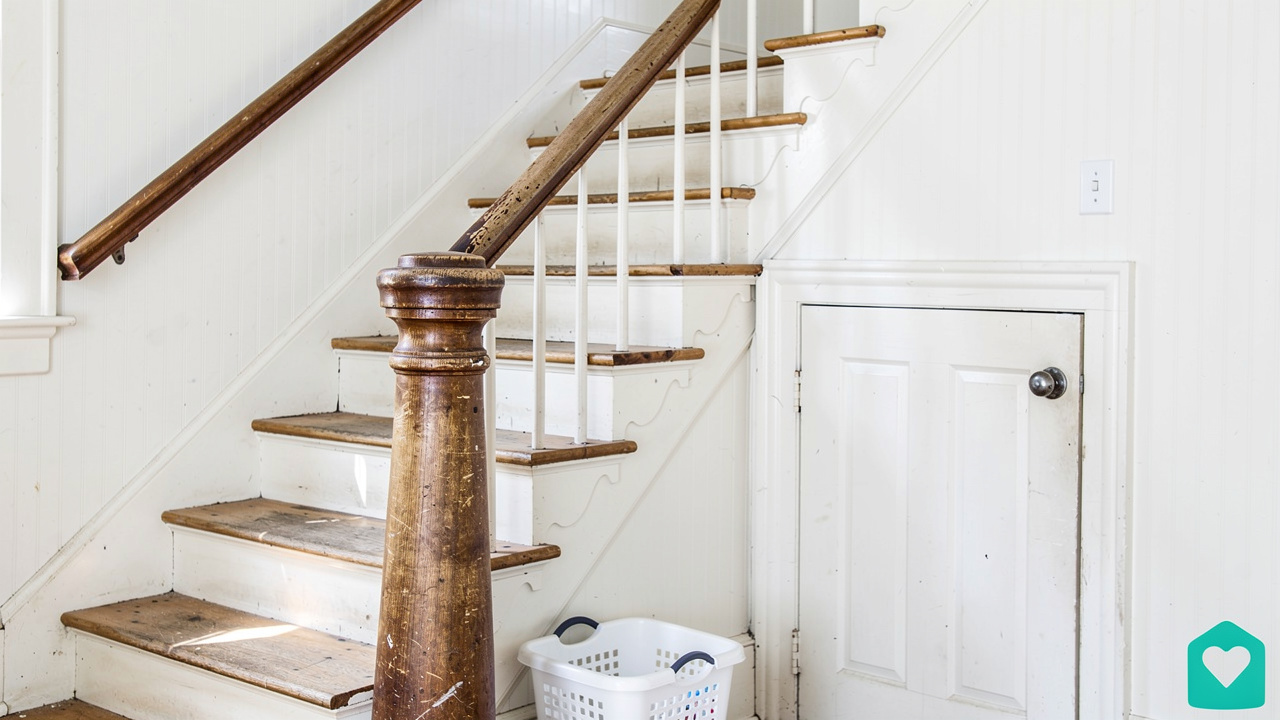
Stairs become a bigger deal than most people expect, especially in split-level homes where laundry sits in the basement and bedrooms are up a flight from the kitchen. Roofs, HVAC systems, and water heaters installed decades ago often need replacing around the same time a sale is being considered. Yard work adds another layer, since mowing, gutters, and leaf removal only get harder to keep up with each year.
What Prompts People To Downsize Here

Two life changes tend to prompt downsizing in Arlington more than anything else: an empty nest and retirement. Couples in their mid-fifties to seventies whose kids have moved out often realize they're maintaining bedrooms, a home office, and a rec room nobody uses anymore. Arlington's large population of federal employees and dual-pension households adds another layer, since retirement here often comes with a clear plan to turn home equity into retirement income.
Maintenance fatigue builds more quietly, but it adds up. A roof that needs replacing, an HVAC system nearing the end of its life, or a yard that takes a full Saturday to manage can turn a beloved home into a source of ongoing stress rather than comfort. For some owners, this pressure builds for years before it turns into an actual decision to sell.
Rising property tax assessments play a role too, especially for owners who've been in the same home for 15 or 20 years. As Arlington values have climbed, so have the tax bills tied to them, and many long-time owners find that moving to a smaller property meaningfully improves their monthly cash flow. Most people downsizing here can point to at least two of these reasons happening at once, not just one.
Where Arlington Downsizers Move Next

Arlington homeowners who downsize generally move in one of four directions, and roughly a third stay right in the county, trading a house for a condo in the Rosslyn-Ballston Corridor, Pentagon City, or Crystal City, where Metro access and walkable restaurants replace a yard and a two-car commute. Prices for that group typically run from about $450,000 for a one-bedroom unit up to $1.1 million for a high-floor two-bedroom with a view, though HOA fees in these buildings commonly land between $600 and $1,400 a month.
A smaller group, maybe one in five, stays in Arlington but wants to keep some outdoor space, choosing a townhome in Fairlington or Shirlington where a small yard or patio survives the move, usually in the $700,000 to $1.2 million range.
About a quarter of downsizers, often those in their sixties or beyond, leave Arlington altogether for a 55+ active adult community, with Ashburn's Brambleton and Birchwood at Brambleton, Leesburg, and Lake Frederick further west among the more common destinations. Single-family homes in these communities typically run $550,000 to $900,000, and the HOA fee usually covers lawn care, snow removal, and clubhouse access.
The remaining fifth leave the greater Washington, D.C. area entirely, most often heading to Florida, the Carolinas, or a hometown to be closer to grandchildren, a move that trades Arlington's equity gains for a different cost of living and social network. None of these four paths is better than another. What tends to matter more is what someone values in this next chapter.
Staying Close Vs. Moving Farther Away
Staying in Arlington keeps a familiar rhythm intact: the same doctors, the same neighbors, the same Metro line. Moving farther away, whether to a 55+ community or another state, usually means trading that continuity for lower costs, more amenities, or proximity to grandchildren. Coordinating two real estate markets adds complexity to an out-of-region move, which is worth factoring into the timeline early rather than discovering it midway through.
The Arlington Market And Timing
Larger detached homes in Arlington, generally those above 2,500 square feet, have held their value even as many broader markets have cooled. The median sale price for a four-plus bedroom detached home runs around $1.45 million countywide, with North Arlington averaging about $1.82 million and South Arlington closer to $1.05 million. Homes in this segment average around 14 days on market, and the typical list-to-sale ratio sits at about 100.4%, meaning well-prepared listings often sell above asking price.
Smaller-home inventory tells a related story. Condos in Rosslyn-Ballston and Pentagon City turn over steadily, and 55+ communities in outer Loudoun County add new inventory each year, giving downsizers a reasonable range of options on the buying side. Buyer demand in Arlington's larger-home segment leans heavily toward move-in-ready properties, since buyers at this price point generally expect updated systems and finishes.
Seasonal patterns are worth knowing as context. Spring, roughly mid-March through mid-June, brings the largest buyer pool and the shortest days on market. A secondary window opens in mid-September through mid-October. The December holiday period sees showing traffic drop by around 40%, which shifts some negotiating leverage toward buyers, though plenty of Arlington sales happen outside these windows too.
What Downsizing Actually Costs In Arlington

Selling a home in Arlington comes with a specific set of costs beyond the mortgage payoff:
- A Virginia grantor's tax adds $1 per $1,000 of the sale price, so about $1,500 on a $1.5 million home
- Northern Virginia's congestion tax adds another $0.15 per $100 above the first $100,000, roughly $2,100 on that same sale
- Commission costs in Northern Virginia typically total 4.5% to 6% combined between the listing agent and buyer's agent, a structure that's now negotiated separately following the industry's 2024 commission settlement changes
If the home is part of a condo or HOA, Virginia law requires a resale certificate, which usually costs $300 to $700 and takes one to two weeks to process, plus a separate transfer fee of $200 to $600. Title and settlement fees typically add another $700 to $1,500. These are largely predictable costs that a listing agent or settlement company can estimate accurately well ahead of closing.
The cost people underestimate most often isn't a line item on the settlement sheet at all. It's the decluttering and short-term storage needed before listing photos are taken, since moving 30% to 40% of furniture out of the house ahead of time makes rooms look larger and often pays for itself many times over in the final sale price. Estate sale fees, junk removal, and moving costs typically add several thousand dollars more, depending on how much needs to leave the house.
How Taxes Change On An In-State Move
Taxes on an in-state move mostly come down to two things: capital gains from the sale and property tax on whatever comes next. Many long-time Arlington owners have capital gains that exceed the federal home-sale exclusion, given how much local values have climbed since they bought. Under IRS Section 121, single filers can exclude up to $250,000 of gain and married couples filing jointly can exclude up to $500,000, as long as the home was a primary residence for at least two of the past five years. Gains above that threshold are taxed at long-term capital gains rates, typically 15% or 20% federally, plus a possible 3.8% net investment income tax.
Moving within Virginia doesn't change how capital gains are calculated, but it can change the ongoing property tax bill. Arlington County offers a Real Estate Tax Relief Program for qualifying seniors and residents with disabilities, and other Virginia localities set their own rates and relief programs, which can differ meaningfully from Arlington's. A smaller home often means a smaller assessed value and a lower annual bill, even before any local relief program is factored in.
Documenting capital improvements matters more than most sellers realize, since a kitchen remodel, a new roof, or a finished basement all raise the home's adjusted cost basis and reduce the taxable gain. Gathering receipts and permit records before closing is worth the effort. This is general information, not personal tax advice, so a Virginia-based CPA or tax professional should review the actual numbers, as detailed in IRS Publication 523 on selling your home.
The Harder Part Of Downsizing
The hardest part of downsizing in Arlington is rarely the paperwork. It's leaving a home tied to a specific version of life, where kids grew up, holidays happened, and a certain identity as the family with the big house took shape over decades. That kind of loss is real, even when the move makes complete financial sense, and it doesn't mean anything has gone wrong with the process.
Spouses or partners often aren't ready at the same time. One person may feel done with yard work and stairs while the other still sees the house as home, and that gap in readiness can slow decisions or create quiet tension that has little to do with logistics. Naming that difference honestly, rather than pushing past it, tends to make the eventual decision feel less rushed.
Adult children add another layer, since they often have strong opinions about family furniture, the piano nobody plays, or boxes in the attic, even when they don't have room for any of it themselves. Family disagreement about what happens next is common and doesn't mean the process is broken. Scheduling an actual conversation about it, rather than letting it linger unaddressed, usually helps more than any organizing method.
Sorting Through A Lifetime Of Belongings
Sorting through decades of belongings typically takes six to eight weeks for most Arlington households, longer if a full basement or garage is involved. Most people moving out of a full family home end up keeping around 20% of what they currently own, which means roughly 80% needs to be sold, donated, passed along, or thrown away, a pattern consistent with research suggesting that larger homes and more possessions don't necessarily translate into greater well-being. That number surprises almost everyone the first time they hear it.
"It becomes a more optimistic project when the focus is on the future and their favorite things." — Anna Novak, Owner of Simply Downsized
Items adult children actually want are often fewer than expected, and the ones they do want aren't always the ones parents assumed. A short, direct conversation with a deadline for pickup tends to work better than an open-ended offer that drags on for months. Setting that deadline isn't unkind, it just keeps the process moving instead of stalling on an unanswered email. For everything else, a handful of options cover most situations depending on value, volume, and timeline.
- Estate sale companies handle a house full of furniture and household goods, selling most of it in place over a weekend.
- Consignment shops work well for individual higher-value pieces, like art or antique furniture worth selling one item at a time.
- Donation pickup services take gently used furniture and clothing off your hands, often with a tax receipt in return.
- Junk removal crews are the fastest option for whatever's left once everything else has found a home.
Kinds Of Help Available Along The Way
Several kinds of professional support exist for the physical and financial sides of an Arlington downsize, and it helps to know what each one actually covers before deciding whether any of them make sense for your situation.
Senior Move Managers, often found through the National Association of Senior Move Managers, focus specifically on the logistics that a standard moving company doesn't handle: sorting belongings by room, building a floor plan for the new space before the move happens, and coordinating estate sale companies and storage facilities. Real estate agents who've earned the Seniors Real Estate Specialist, or SRES, designation bring a different kind of value, since they understand rent-back negotiations, capital gains timing, and the pace of a senior client's decision-making in a way a general listing agent may not. Professional organizers can help with the harder emotional sorting decisions, particularly around sentimental items like photographs and letters, without pushing toward a particular outcome. You may find it helpful to speak with a Virginia-based CPA or tax professional well before listing, especially if your home has gained a lot of value, since capital gains exposure and documentation of past capital improvements are easier to handle with time on your side rather than during closing week.
None of these professionals are required to downsize successfully, and plenty of people manage parts of this process on their own, but knowing what each one actually does makes it easier to decide where outside help might genuinely reduce the load.
What Downsizing Insights Offers
Downsizing Insights offers a Downsizing Readiness Self-Assessment and a 12-Month Family Downsizing Checklist for anyone trying to figure out where they stand, individually or as a family, before making any commitments. There's also a Washington, D.C.-area city guide that walks through the fuller downsizing roadmap for the region, including Arlington, along with connections to support services for those who want more personalized guidance.
Frequently Asked Questions
The questions below cover specific, Arlington-only details that come up often once people start looking into the numbers. Each one stands on its own, so feel free to jump to whichever fits your situation.
Is It A Good Time To Downsize In Arlington Right Now?
This depends more on personal readiness than on market timing. Arlington's larger-home market currently favors sellers, with homes averaging around 14 days on market, but that's context, not a signal to act. The right timing is usually about your own readiness, not the calendar.
How Long Does It Typically Take To Sell A Larger Home In Arlington?
Well-prepared larger homes in Arlington average around 14 days on market before going under contract. That timeline assumes proper prep, including decluttering, staging, and a pre-listing inspection. Homes that skip preparation, or that are priced aggressively high, often take considerably longer to sell.
Do I Need To Buy My Next Home Before Selling My Current One In Arlington?
Not necessarily, and buying first often creates more risk than it solves. It can mean expensive bridge financing or pressure to accept a lower offer just to free up cash. Negotiating a rent-back period, typically 30 to 60 days after closing, lets most sellers sell first and buy with cash in hand.
What Happens To My Property Taxes If I Move Within Arlington Or To Another Part Of Virginia?
Assessments and tax rates vary by locality, so a move to a different Virginia jurisdiction can change your bill even for a similarly priced home. A smaller property usually carries a lower assessed value and lower carrying costs. Checking with the local commissioner of revenue or a tax professional gives the clearest picture.
How Much Of My Belongings Will I Actually Need To Let Go Of?
Most people moving from a full family home end up keeping around 20% of their current belongings. That number feels overwhelming at first, especially for anyone who's lived in the same house for decades. It tends to feel more manageable once a floor plan for the new space is in place.
Are HOA Or Condo Resale Certificates Required When Selling In Arlington?
Yes, Virginia law requires sellers of HOA or condo properties to provide a resale certificate, sometimes called a disclosure packet, to the buyer. It typically costs $300 to $700 and takes one to two weeks to process. Buyers have a statutory three-day right to cancel the contract after receiving it.
What's The Difference Between A Senior Move Manager And A Regular Moving Company?
A regular moving company transports belongings from one address to another. A Senior Move Manager coordinates the entire transition, including sorting belongings, designing a floor plan for the new home, and managing vendors like estate sale companies and storage facilities. Many families use both, since their roles rarely overlap.
Where Do Most People In Arlington Move When They Downsize?
Most fall into four groups: staying in Arlington in a smaller condo near the Metro, staying in a townhome with some outdoor space, moving to a 55+ community in places like Ashburn or Leesburg, or leaving the region entirely, often to be closer to family.
Where To Go From Here
Nothing in this article requires a decision today. Looking into your options, whether that's a rough sense of what your Arlington home might sell for or an honest conversation with a spouse about readiness, is itself meaningful progress, even if a move is still a year or more away.
A tool like the Downsizing Readiness Self-Assessment from Downsizing Insights exists for exactly this stage, helping you get a clearer sense of where you actually stand before committing to anything. Any estimate or checklist is just something to plan around, not a decision you have to make right now. Give yourself time to sit with the idea before acting on it.
Take your next step forward
You've learned the essentials. Now get the tools to move with confidence and clarity.
.jpg)