
Aging in Place Home Modifications Guide for Seniors
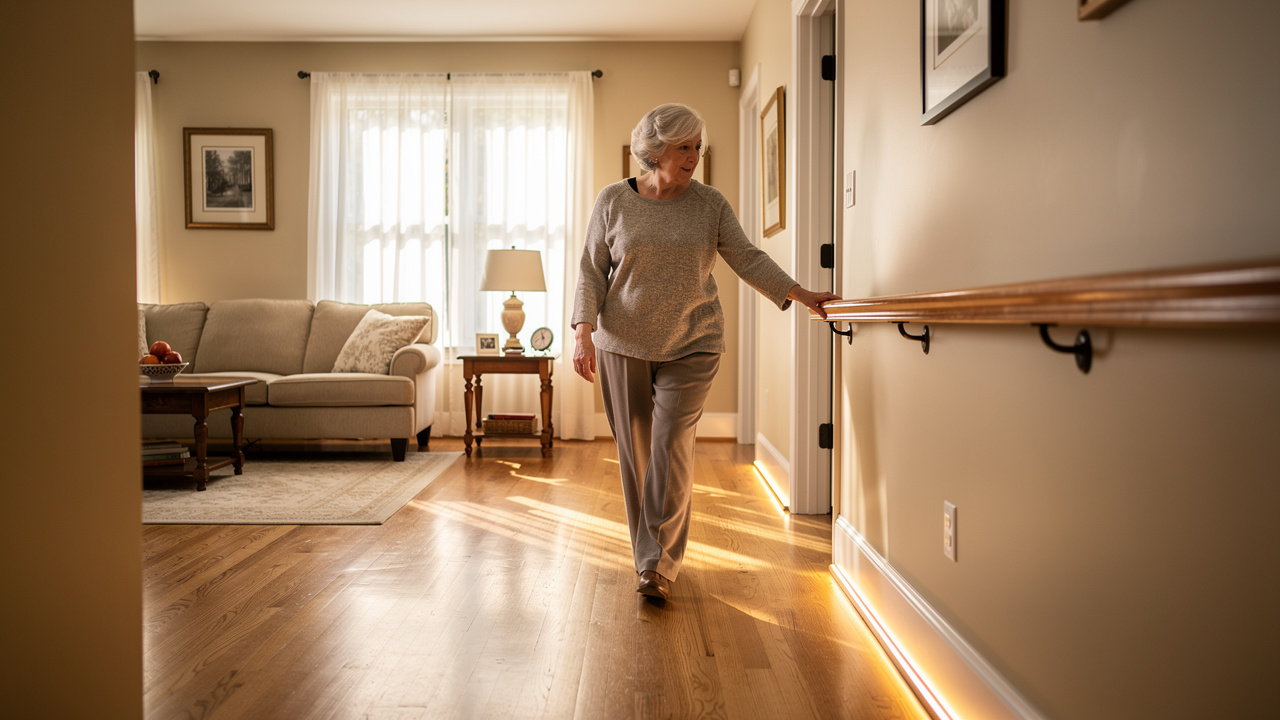
A slippery bathroom floor or a steep front step can quietly turn a loved home into a stressful place. That tension often shows up right when people want the opposite — more steadiness and control.
Aging in place home modifications are changes to the home that help a person stay safer and more independent as needs shift with age. They go beyond quick gadgets and focus on bathrooms, entrances, lighting, and other spots where falls and frustration often happen. In this guide, you will see which changes matter most, how technology helps, what they cost, and when it makes sense to consider a different home instead.
The aim is not to rush anyone out of a home they love. The aim is to give clear information so decisions about home changes or future downsizing feel calmer and more deliberate, with support from resources like Downsizing Insights when that becomes helpful.
Tip: Walk through the home at your usual pace and write down every place you hesitate, reach for a wall, or hold your breath. Those spots are often the best starting points for changes.
What Are Aging In Place Home Modifications?
Aging in place home modifications are practical changes to a house that help older adults stay there safely as their abilities change. They reduce fall risk, cut down on everyday strain, and make daily tasks easier without taking away control. According to AARP, more than 87 percent of adults over 65 would rather stay in their current home as they age, so these changes matter for most families.
Here is the honest gap. Data from the U.S. Census Bureau shows that only about 1 in 10 American homes has features that truly support aging adults. That means most homes need some level of thoughtful update, especially in bathrooms and around stairs. It does not mean every house needs a massive remodel or that everything must happen at once.
Researchers publishing a systematic review of home modifications found that home modifications often lower fall rates and improve daily independence, with evidence drawn from studies across multiple countries. The pattern is clear: when the house fits the person better, people stay independent longer and rely less on others for basic tasks.
Key Takeaways
- Most homes need at least a few changes for safe aging in place, even for healthy, active older adults.
- Bathrooms, entrances, and everyday walking routes inside the home usually offer the biggest payoff for safety and comfort.
- Technology can add extra support, but it cannot replace grab bars, safe flooring, or a well planned layout.
- Costs range widely, from very low for simple items to higher for full remodels, and several funding programs can ease that load.
- Some homes cannot be adapted well, and in those situations, honest planning about a move often protects independence more than pushing the house to fit.
Which Home Modifications Make The Biggest Difference?
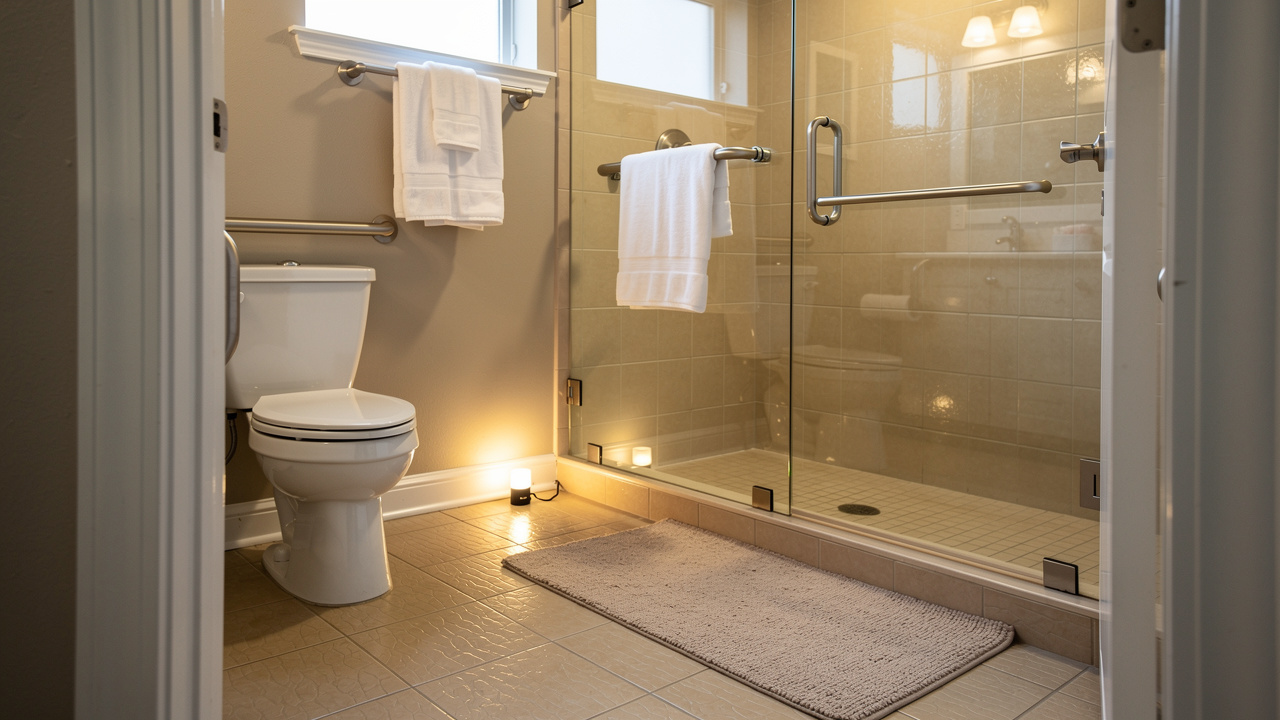
The home changes that help the most are the ones that cut fall risk where it is highest and make daily movement easier. Studies in Healthcare and a systematic review of aging-in-place home modifications show that bathroom upgrades and general mobility improvements appear in nearly all successful aging in place programs. For many families, those areas are the best place to start.
Bathrooms sit at the top of almost every safety list. Water, small spaces, and hard tile combine into a risky setup. One study reviewed in Healthcare found that bathroom modifications reduced difficulty with bathroom tasks by more than 90 percent and also improved quality of life scores. Simple hardware changes often matter more than fancy tile or decor.
Safe movement throughout the home matters just as much as bathroom work. Thresholds, cluttered hallways, and steep steps can quietly push a person toward a move long before they truly want to leave. Fixing those pinch points gives years back to a house that might otherwise feel too hard to manage.
High impact bathroom changes include:
- Grab bars near the toilet and inside the shower or tub where hands reach naturally during sitting, standing, and turning. These bars lower fall risk right where many slips occur and give confidence to both the older adult and any caregiver who assists with bathing.
- Non slip flooring in the shower, plus rubber backed mats outside the tub that stay in place when stepped on. This cuts down sudden slides on wet tile and is one of the lowest cost items on the list. Many families start here even before they feel ready for bigger projects.
- A walk in or roll in shower that removes the need to step over a high tub edge. For people with arthritis, neuropathy, or balance changes, that single edge often becomes the scariest part of bathing, so removing it can delay the need for hands on help.
- Raised toilet seats and sturdy toilet frames that shorten the distance between sitting and standing. These items often work with the existing toilet and reduce strain on knees and hips each day.
For general movement through the home, several changes stand out:
- Secure handrails on both sides of stairs, plus steady rails in long hallways. Research from the National Council on Aging shows that many indoor falls happen on stairs, and firm rails give needed support without feeling like medical equipment. Families often notice that simple rails help visitors too.
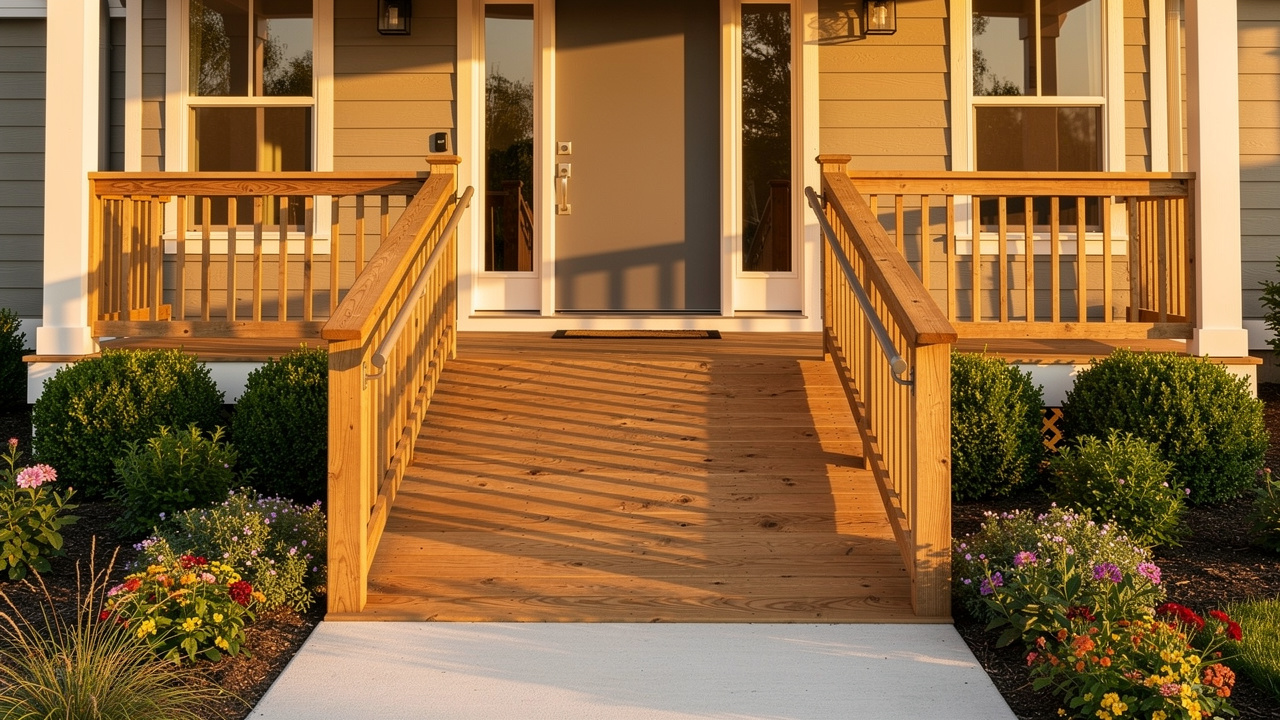
- Level entrances with ramps or low rise steps where possible, especially at the front door and from garage to kitchen. Steep exterior steps can turn into a major barrier after surgery or a brief health setback, while a ramp extends the useful life of the entrance for walkers and wheelchairs.
- Wider doorways or offset hinges that allow easier use of walkers and wheelchairs. Even a small increase in width can mean the difference between smooth turning and risky side shuffling. When full widening is not possible, removing doors that are not needed can still open space.
Tip: Test every new feature the way you actually move — step into the shower, turn around at the top of the stairs, and practice getting up from the toilet. If it feels safe but effortless, you are on the right track.
Lighting, Flooring, And Kitchen Adjustments That Support Daily Independence

Lighting, flooring, and kitchen layout updates quietly support safer daily life. Poor lighting hides tripping hazards and makes depth hard to judge, especially at night. Slippery floors and loose rugs can undo the benefits of good grab bars. Kitchens that require constant reaching and bending wear people down over time.
Helpful lighting changes include:
- Motion sensors in hallways and bathrooms, so lights turn on without a switch in the dark.
- High intensity LED bulbs in stairwells and work areas to cut shadows and help older eyes pick out edges more clearly.
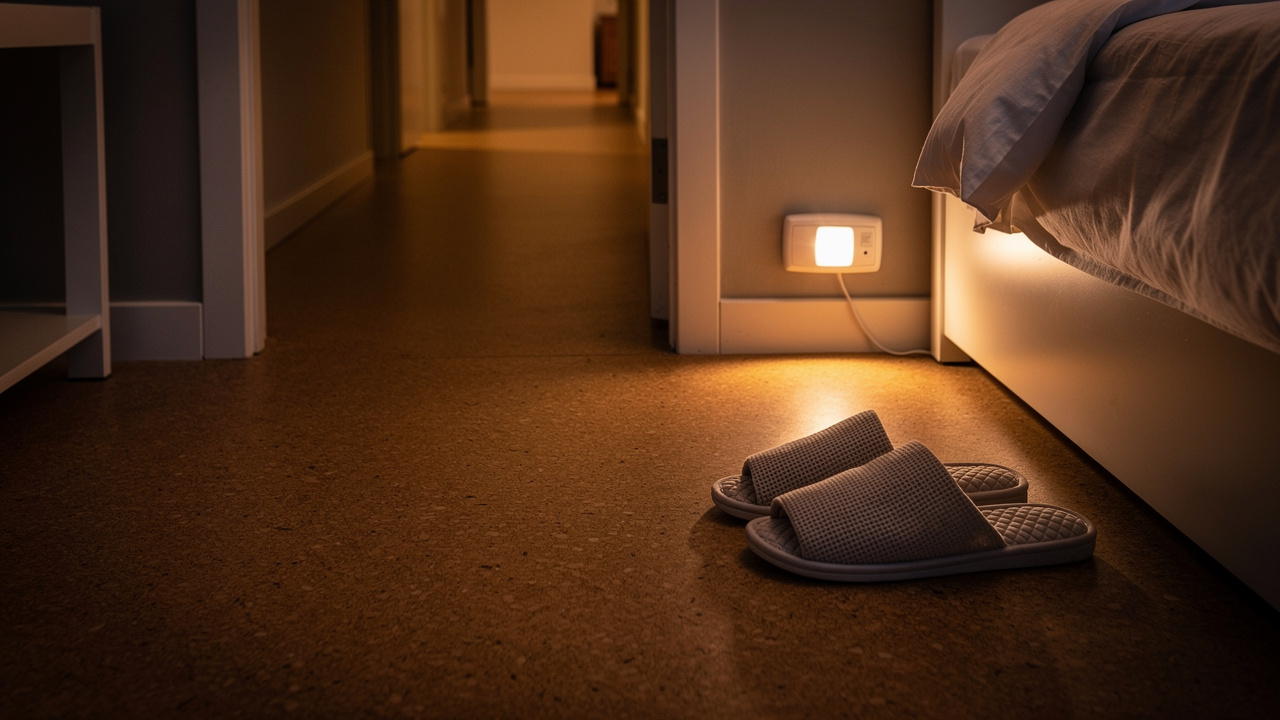
- Small plug in night lights between bedroom and bathroom to guide half asleep trips and reduce the urge to walk without glasses.
Flooring fixes often give quick safety gains:
- Replacing slick surfaces in key spots with rubber or cork flooring that provides better grip and softens impact.
- Adding non slip tape on stairs and at bathroom entries to increase friction where slips are common.
- Removing or securing loose rugs, especially in hallways and near doorways, to take away a frequent tripping cause at very low cost.
Kitchen changes focus on easier reach and better grip:
- Swapping in lever style door handles and cabinet pulls, which work better for hands with arthritis than round knobs that need twisting.
- Reorganizing shelves so frequently used items sit between shoulder and waist height, which removes many risky stretches and climbs.
- For wheelchair users, adjusting a portion of counter height or adding a pull out work surface to turn an awkward kitchen into a usable one without full renovation.
How Does Technology Fit Into Aging In Place?
Technology for aging in place works best when it supports the physical modifications, not when it tries to replace them. Smart devices lower the number of risky trips across the house and help families respond faster when trouble occurs. Research summaries in Healthcare note that while evidence is still growing, technology often adds peace of mind when paired with a safer physical layout.
Smart home hubs from companies like Amazon, Google, and Apple allow voice control of lights, locks, and some appliances. For an older adult, that can mean fewer walks through a dark room to hit a switch or extra stove trips just to check whether something is off. Smart thermostats from brands such as Nest or Ecobee keep indoor temperatures steady and can be adjusted from a chair or bed with a phone or voice command.
Medical alert systems from providers like Life Alert or Philips Lifeline place a help button on the wrist or around the neck. According to the National Institutes of Health, quick response after a fall often reduces hospital stay length and long term disability. These devices shorten the gap between a fall and medical care, especially for people who live alone.
Sensor based tools are growing fast. Motion sensors can turn on lights in a hallway when someone gets out of bed. Some newer systems monitor movement patterns in the background and send alerts to family if a change suggests a fall or a health shift. That said, no app can grab a person in the shower the way a properly anchored bar can. When families feel pressure to buy expensive tech, it helps to remember that the basics in the bathroom and on the stairs usually deserve priority.
Tip: Try new devices yourself first, then teach simple, repeatable steps to the older adult. Confusing technology that no one uses will not add real safety.
How Do You Pay For Home Modifications And When Is Moving The Better Option?
Paying for aging in place home modifications often feels scary at first glance, yet many of the most effective changes cost less than a single emergency room visit — a reality reflected in the retirement realities survey data showing that financial preparedness and housing decisions are deeply intertwined for today's retirees. A modeling study cited in Healthcare showed that home safety programs added quality adjusted life years at a modest cost when compared with fall related medical care. The key is to match the scope of changes to both the home and the budget.
Several funding paths can reduce out of pocket strain:
- Medicare Advantage plans sometimes cover specific safety items such as walk in showers or medical alert systems, even though Original Medicare does not pay for general home changes. Each plan sets its own rules, so calling the plan or working with a State Health Insurance Assistance Program counselor often pays off.
- Medicaid Home and Community Based Services waivers in many states help lower income seniors pay for necessary modifications so they can avoid or delay nursing home placement. Local Area Agencies on Aging usually know which waivers operate in the region and how to apply.
- Federal and local programs such as USDA Section 504 Rural Repair and Rehabilitation grants, Community Development Block Grants, and nonprofit groups like Rebuilding Together offer grants, low interest loans, or volunteer labor for safety updates. The Eldercare Locator helps connect callers with programs near them.
For many households, self funding still plays a role, and the 2024 Baby Boomer Consumer Research from Freddie Mac highlights how housing equity and financial planning shape the decisions older adults make about staying or moving. The American Housing Survey reports that more than three quarters of home modifications rely on personal savings or home equity. The encouraging part is that basic items such as grab bars and lighting upgrades often fall within reach even without large reserves.
Sometimes, though, the house itself fights back. When a home has many levels, narrow halls, and many costly repair needs, even generous funding might not solve the safety puzzle. At that point, choosing a smaller or better designed home is not failure; it is wise self care. Downsizing Insights offers a free Downsizing Readiness Self Assessment that helps families look honestly at emotional readiness, physical needs, and home layout in one place. Their no pressure consultations with senior focused real estate advisors give a clear picture of what staying, modifying, or moving would each look like, without pushing for a quick sale.
Tip: Before spending heavily on renovations, compare the total cost with the cost of selling and moving. Include ongoing upkeep and property taxes in the comparison so you see the full picture.
The Right Way To Start Getting A Professional Home Assessment

The best starting point for aging in place home modifications is a professional home assessment, not guesswork or shopping cart impulse buys. Occupational therapists (OTs) study how a person moves, thinks, and completes tasks inside a real home environment. Research from AOTA shows that OT led home changes often result in fewer falls and more independence than general checklists alone.
An OT walks through each room with the older adult and sometimes with family. They pay attention to how the person stands up from chairs, steps into the tub, reaches into cabinets, and handles stairs. From that visit, they can rank which changes will give the most safety and comfort for that specific person, not just for seniors in general. Sometimes they suggest small items first, such as lighting, and save bigger construction for later if needed.
Other helpful starting resources include the AARP HomeFit Guide, which offers checklists and simple diagrams for safer rooms. Local Area Agencies on Aging keep lists of vetted contractors, nonprofit programs, and sometimes low cost OT services. For families outside California, the Eldercare Locator phone line at 1-800-677-1116 connects callers to local aging services across the country.
When the time comes to install grab bars, widen doors, or add ramps, licensed and insured contractors matter. Poorly anchored hardware or unsafe wiring can create new hazards. Downsizing Insights often encourages families to pair a professional assessment with realistic cost estimates, so they can decide whether to invest in changes or begin to look at smaller, easier homes while there is still plenty of choice.
Tip: Ask potential contractors how many accessibility projects they have completed and request photos or references. Experience with safety focused work can make a big difference in the final result.
The Bigger Picture Worth Remembering
Home changes for aging in place are not only about grab bars and ramps; they are about protecting daily freedom for as long as possible. Bathroom safety, clear walking paths, lighting and flooring fixes, and a little well chosen technology together reduce risk and increase calm. A good OT assessment and an honest financial look round out that picture.
Conclusion
Some people will find that a modest set of aging in place home modifications gives them many more safe years in a beloved house. Others will discover that a smaller or better designed home offers more ease than any remodel could provide. Both paths respect independence when they come from clear information rather than crisis. Tools from Downsizing Insights, from the Readiness Self Assessment to city specific downsizing guides, help families sort through these choices at a steady pace instead of in a rush.
Frequently Asked Questions
Question 1: What Is The First Home Modification Most Seniors Should Make?
Bathroom grab bars are usually the first and most helpful change. Bathrooms cause many falls, yet sturdy bars near the toilet and shower are low cost, quick to install, and effective right away. They also give confidence to both the person using them and anyone offering support.
Question 2: Does Medicare Cover Aging In Place Home Modifications?
Original Medicare does not pay for general home modifications. Some Medicare Advantage plans do cover certain safety items, such as walk in showers or medical alert systems, as extra benefits. It is worth calling the plan or asking a State Health Insurance Assistance Program counselor to check specific coverage.
Question 3: How Do I Know If My Parent's Home Is Safe Enough For Aging In Place?
A professional home assessment by an occupational therapist is the most reliable way to judge safety. The therapist studies how your parent moves through each room and then recommends changes based on real needs. Local Area Agencies on Aging can help you find assessors and possible funding support.
Question 4: At What Point Do Home Modifications Stop Being Enough?
Home changes may not be enough when costs grow very high, when the layout cannot be made safe, or when upkeep drains your parent's energy. At that stage, a smaller or better designed home may protect independence more. Downsizing Insights offers a Readiness Self Assessment and gentle consultations to help families think through that choice.
Question 5: Can Home Modifications Help Someone With Dementia Stay At Home Longer?
Yes, home modifications can help a person with dementia remain at home, though the approach must be careful. Gradual, small changes that keep rooms familiar tend to work better than sudden full remodels. Bathroom safety upgrades and better lighting often come first, paired with caregiver training on safe movement.
Take your next step forward
You've learned the essentials. Now get the tools to move with confidence and clarity.
.jpg)