
How to Start Downsizing: A Gentle Step-by-Step Guide

Introduction
I often meet someone standing in the middle of their living room, looking at full bookcases and packed closets, quietly wondering how to start downsizing without breaking down halfway through. The house holds birthday banners, school photos, and furniture that has been around longer than the kids. No one really teaches how to say goodbye to all of that.
There is usually a mix of feelings. Part of the heart is ready for a simpler, easier home. Another part freezes, afraid of making a wrong choice or hurting someone by letting go of the “wrong” thing. Downsizing is not just about boxes and furniture. It is about memories, identity, and what life will look like in this next chapter.
When I guide people through how to start downsizing, I do not start with “What can we get rid of?” I start with “What do you want to bring with you into your new life?” That small shift turns the process from only loss into careful choice. In this article, I will walk step by step through a gentle plan that starts months before moving day, uses a room-by-room approach, and leans on tools and support from Downsizing Insights so the whole process feels calmer and more under control.
Key Takeaways
Start Early For Less Stress: Beginning the downsizing process three to six months before any move gives time for thoughtful choices instead of rushed decisions. This early start makes space for emotions and spreads the physical work into smaller, kinder chunks. A slower pace keeps energy and confidence steadier.
Use A Room-By-Room Method: Working room by room makes a big home feel less scary. Focusing on one shelf or one closet at a time turns progress into something visible and real. Using a simple four-box method helps decisions feel clearer and stops that feeling of spinning in circles.
Protect Memories While You Let Go: Memories matter, and sentimental items deserve gentle care. It is possible to honor stories with photos, small keepsakes, and creative ideas instead of keeping every single object. That way, the heart feels seen while the home still becomes lighter. Letting go can carry both sadness and relief at the same time.
Use Tools And Human Support: Downsizing Insights offers free tools and kind human support that guide each step. The Readiness Self-Assessment and 12-Month Downsizing Checklist provide a written plan so nothing important gets missed. Move Managers offer real voices to talk through hard choices. No one has to face this change without a map and a teammate.
Why Downsizing Feels So Overwhelming (And Why That's Completely Normal)

When someone first starts to think about downsizing a home, it almost always feels bigger than “cleaning out the house.” A home holds decades of birthdays, holidays, guests, and quiet evenings. Every shelf and drawer seems to say “remember this.” No wonder the question of how to start downsizing can feel like standing at the bottom of a very steep hill.
Many worries show up right away, such as:
Fear of making a choice that will be regretted later
Worry about letting go of something a child or grandchild might want
Concern about keeping too much and ending up cramped in the new place
Confusion about where to begin or how long everything will take
Some people look around and think the only way is to take a week off work and attack the whole house at once, which feels impossible.
It also helps to remember that the size of the task matches the time it took to build this life. Most families gather their things over twenty, thirty, even forty years. Going through it all in a few weekends is not realistic. Feeling slow or unsure does not mean someone is failing. It often means they care deeply about their history.
“The best way to find out what we really need is to get rid of what we don't.”
— Marie Kondo
One mindset shift I use often is this simple question. Instead of asking “What do I have to get rid of?” I ask “What do I want to bring into my next chapter?” The focus moves from loss to intention. When we pair that mindset with a clear written plan and the right support, the mountain turns into a series of small, steady steps that real people can take.
How To Start Downsizing — A Simple, Step-By-Step Plan
When I coach families on how to start downsizing, we begin long before a moving truck ever pulls up. The sweet spot is three to six months ahead. That extra time means there is room for slow decisions, space to sell or donate items well, and less pressure on bodies that may not handle marathon cleaning days.
The first gentle step I suggest is the Downsizing Insights Readiness Self-Assessment. I like this because it does not start with a trash bag. It starts with honest questions about emotional, financial, and practical readiness. There is space to write thoughts and a simple summary page that points out where someone feels steady and where they may want backup. That alone often brings a deep breath of relief.
Next, I put the plan on paper. Big ideas like “clear the house” are too vague for a tired brain. Instead, we write small, clear steps such as:
“Sort linen closet”
“Empty and review one dresser drawer”
“Measure bedroom furniture for new room”
“Call charity for donation pickup dates”
A written roadmap pulls all of the worry out of the head and onto a page. That makes it easier to see the path instead of just the size of the task.
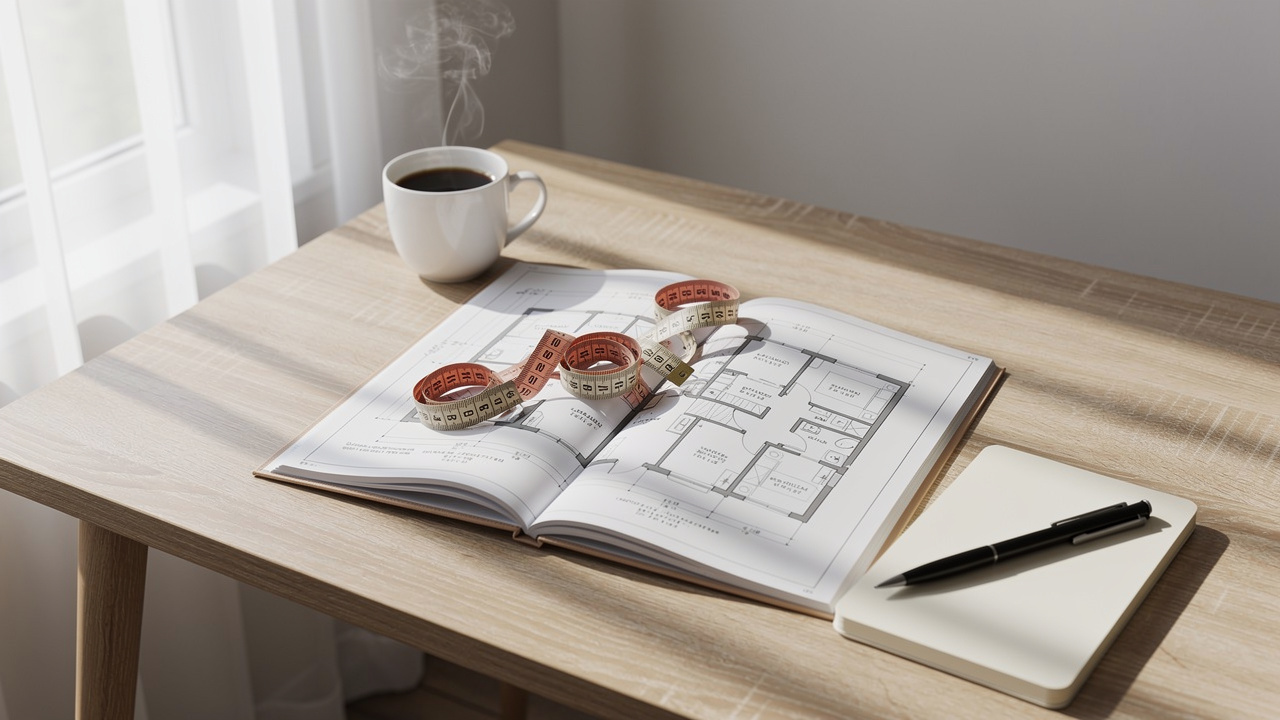
Before any big decisions about furniture or storage, I ask people to measure their new space. Having the floor plan and room sizes in hand turns how to start downsizing into simple math instead of only emotion. A sofa that has always “fit” suddenly looks very large when its size is compared to a smaller living room. It becomes much easier to say, “We will keep the loveseat and pass the big sofa on.”
Then we create a realistic timeline. I often ask someone to time how long it takes to sort one small area, like a bathroom cabinet. If that takes an hour, and the guest room has three times as much in it, we can guess it needs about three hours spread over a few days. This kind of plain math keeps people from trying to do the whole house in one frantic weekend.
To give the entire process structure, I share the free Downsizing Insights Downsizing Insights 12-Month Downsizing Checklist. Even if there are only three or six months left, it still helps. It walks through each phase, from early conversations to settling in, and includes places to track key papers, contacts, and decisions. There are helpful “Pro Tips” and honest “Reality Checks” to help expectations match real life. The plan does not need to be perfect to be powerful. Even a rough map brings calm.
The Room-By-Room Approach — How To Sort Without Burning Out

Once there is a plan, the question becomes how to start downsizing in a way that the body and heart can handle. That is where the room-by-room method helps. Instead of pulling the whole house apart at once, we pick one small, low-pressure spot. A linen closet, laundry room, or pantry makes a great first win because items there are rarely tied to deep memories.
I always suggest working in tiny zones: one shelf, one drawer, one box on the floor. Finishing that small space gives a clear sense of progress. It proves to the brain that change is possible and that the house can, in fact, look and feel lighter. That feeling builds the strength needed for the next shelf or the next room.
While sorting, we use a simple four-category system. Set up four boxes or labeled bags:
Keep: Items that are truly needed or loved and fit the next home, both in space and in daily life.
Sell: Pieces that are in good shape and have enough value to be worth the effort, such as furniture, tools, or electronics.
Donate/Give Away: Usable things that no longer fit this stage of life but could help someone else.
Trash/Recycle: What is broken, expired, stained, or worn out beyond real use.
Having these clear categories ready before starting keeps decisions from getting fuzzy.
The one thing I try hard to avoid is a big “maybe” pile. It seems kind in the moment, yet it often grows into the largest pile in the room and freezes progress. When someone really feels stuck on an item, I set a very small limit, such as one small box for “review later,” and we stick to it.
“Clutter is nothing more than postponed decisions.”
— Barbara Hemphill, organizing expert
Sentimental items deserve special care and do not have to wait until last. In fact, touching a few early, in short sessions, can build skill for that kind of choice. Photographing meaningful objects, keeping one or two favorites from a larger group, or turning old cards into a small bound book are ways to keep memories present without filling every drawer.
Clearing obvious duplicates in kitchens and closets also gives quick wins. When a person sees that three nearly identical spatulas can become one, the idea of letting go feels a bit less scary. Some days will flow and others will be heavy. I remind people that slow and steady beats fast and burned out. Even one drawer sorted is real progress.
You Don't Have To Do This Alone — Support That Makes The Difference

One of the hardest beliefs to let go of is the idea that downsizing must be handled alone. From my work with Downsizing Insights, I see over and over that asking for help is a sign of wisdom, not weakness. This is one of life’s bigger changes. Of course it makes sense to bring in guides and teammates.
At Downsizing Insights, we offer free Discovery Calls with Move Managers. During these relaxed calls, we talk through timing, the size of the project, health limits, and family dynamics. We help decide where to start, what support might fit best, and how to handle touchy topics like heirlooms or a partner who is not ready. There is no pressure to sign up for anything. The goal is clarity and comfort.
Our tools are built for this exact season:
The Readiness Self-Assessment gives a snapshot of how prepared someone feels in their heart, finances, and daily life.
The 12-Month Downsizing Checklist breaks a messy, swirling project into clear, written steps with simple checkboxes.
People often tell me that just holding these pages makes the process feel less wild and more approachable.
Family support also matters. Adult children, siblings, or a spouse can be wonderful helpers when everyone understands each person’s strengths. One person might be best at online selling, another at lifting and hauling, another at sitting beside a parent while they decide what to do with old letters. Treating the downsizing process as a shared project instead of a fight changes the tone in the whole house.
There are times when professionals outside the family are the best choice. Estate sale companies handle large volumes of items. Donation pickup services from groups such as Salvation Army or Habitat for Humanity take furniture without anyone having to drive it across town. Junk removal teams clear what is truly left at the end. Using support like this does not remove control. It simply lightens the load.
Conclusion

Starting to think about how to start downsizing is often the hardest step. By reading this far, a very real step has already been taken. That matters. No one has to clear a whole house in one weekend, and no one has to do it without help.
Downsizing works best when it is slow, planned, and kind. A written roadmap, a room-by-room method, and a simple four-category system turn a huge task into small pieces that real people can handle. On the other side waits a home that matches this stage of life, one that is easier to clean, easier to afford, and easier to enjoy.
If this change is on the horizon, I invite you to take one gentle next step. Download the free 12-Month Downsizing Checklist or complete the free Readiness Self-Assessment from Downsizing Insights. With a clear plan and caring support, what comes next can feel big and brave, not chaotic, and you do not have to face it alone.
FAQs
When Is The Right Time To Start Downsizing My Home?
I suggest starting three to six months before any planned move. That window gives you time to sort, sell, and donate without panic. It is also never too early to begin with a Readiness Self-Assessment, even if your move date is not set. The earlier you start, the calmer your decisions will feel, and the more choices you will have about what to keep, sell, or pass on.
Where Do I Start When Downsizing Feels Overwhelming?
Start in the smallest, least emotional spot in your home, such as a linen closet or pantry. That tiny area is a simple test run for how to start downsizing. Taking the free Readiness Self-Assessment will help you see what kind of support you may want and which rooms might need extra time. Remember that one drawer or one shelf is a real and valid place to begin, and those small wins add up faster than you might expect.
How Do I Let Go Of Sentimental Items When Downsizing?
Letting go of sentimental items is hard, and feeling stuck with them is completely normal. I often suggest:
Taking photos so the memory stays even if the object goes
Keeping a few favorites from any large collection and displaying them with care
Turning old cards, letters, or children’s artwork into a small photo book
When the emotions feel too heavy, a Move Manager from Downsizing Insights can sit beside you, listen, and help you make choices that honor both your heart and your space.
How Long Does It Take To Downsize A Home?
The time it takes to downsize depends on the size of the home, how much has been collected, and how many hours a week you can give to the process. For many people, it takes several weeks to a few months of steady effort. The Downsizing Insights 12-Month Checklist offers a clear timeline you can shrink or stretch to match your situation. What matters most is steady, regular progress, not speed, and giving yourself enough time for both the physical work and the emotional side of letting go.
Take your next step forward
You've learned the essentials. Now get the tools to move with confidence and clarity.
.jpg)