Dealing With Sentimental Items While Downsizing

Introduction
Picture standing in a bedroom that once belonged to a child who is now grown, or in a living room filled with photos, trophies, and gifts from decades of holidays. The move to a smaller place is on the calendar, but dealing with sentimental items while downsizing feels like trying to sort your whole life at once. The boxes are not just boxes; they hold stories, people, and pieces of who we are.
When we face sentimental things during downsizing, many of us freeze. We worry that letting go of a quilt, a letter, or a piece of furniture means letting go of the memory or the person tied to it. That fear is normal, especially for empty nesters, retirees, and families helping aging parents step into a new chapter.
At Downsizing Insights, we see something different. Memories live inside us, not inside our stuff. When we work through sentimental items with care, we do not erase the past. We give ourselves more room for the present. In this article, we walk through why sentimental items feel so heavy, a practical framework for deciding what stays, simple ways to preserve memories without keeping everything, and how to pick a pace that feels safe. By the end, we want you to feel calmer, clearer, and ready to let go with peace.
“We do not remember days, we remember moments.”
— Cesare Pavese
Key Takeaways
Before we dive into details, it helps to know where we are heading. These points can act like a small map while you read. Many people come back to this list when emotions rise, just to remind themselves they are not doing anything wrong by wanting both memories and space.
Sentimental items carry real emotional weight, and that feeling is completely normal. When we sort them, we are not just moving objects. We are touching our history, our relationships, and our sense of self, which is why this part of downsizing can feel so intense.
Memories do not live inside a box or a piece of furniture; they live inside us. An item can nudge a memory, but the story, the love, and the lessons are part of who we are. Realizing this makes dealing with sentimental items while downsizing feel a little less like “all or nothing.”
A simple, room-by-room plan keeps the process from becoming too much. When we work through one space and one category at a time, we move from feeling stuck to seeing steady progress, even if that progress is slow.
Digital photo albums, scanned documents, written stories, and small memory boxes let us honor the past without keeping everything. These memory preservation tools hold the feelings while freeing our shelves and floors.
Downsizing Insights offers personalized roadmaps, readiness assessments, and gentle support so no one has to face this emotional work alone. Whether a person takes baby steps or one giant leap, what matters most is that they feel seen, guided, and respected.
Both fast and slow approaches to downsizing can lead to peace. The key is to start, even with one small item, and move at a pace that matches emotional readiness, not outside pressure.
Why Sentimental Items Feel So Hard To Let Go
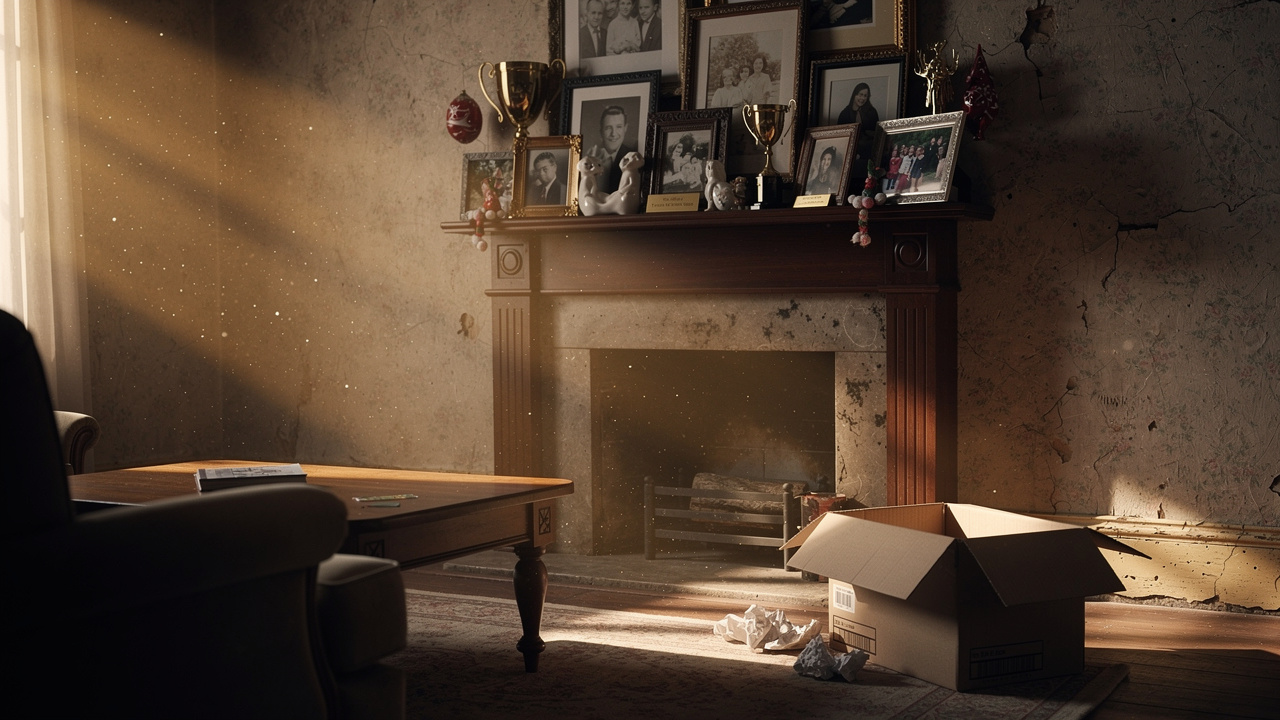
We know how paralyzing it can feel to stand in a room where every shelf holds a memory. Regular clutter is one thing. Old bills and extra kitchen gadgets can often go in a donation box without too much thought. Sentimental items are different because they tie us to people we love, moments that shaped us, and years that seemed to pass in a blink.
Many of us hold a quiet fear that if we let go of the object, we will lose the memory or betray the person connected to it. A box of children’s artwork, a wedding dress, or a grandfather’s tools can feel like the last thread tying us to that time of life. So we keep everything “just in case,” even if those boxes stay sealed for decades in a basement or storage unit.
For seniors and for adult children helping aging parents, the emotional layer is even deeper — as experts who study how to declutter after major life events consistently point out, transitions tied to identity and home carry unique psychological weight. Leaving a long-time family home can feel like closing the door on birthdays, graduations, and holiday dinners. Dealing with sentimental items while downsizing in that setting touches identity and a sense of control, not just belongings. It is no wonder that decisions feel heavy and slow.
At Downsizing Insights, we often say that downsizing asks us to touch memories, sort through layers of life, and make choices that shape the next chapter. That is a lot for any one person to carry. The good news is that the past does not live in the couch, the cabinet, or the quilt. It lives in how we tell our stories, in the way we care for others, and in who we have become. When we see that clearly, the next step is easier, even if it is still tender.
“The best way to choose what to keep and what to throw away is to hold each item in your hand and ask: ‘Does this spark joy?’”
— Marie Kondo
A Practical Framework For Deciding What To Keep
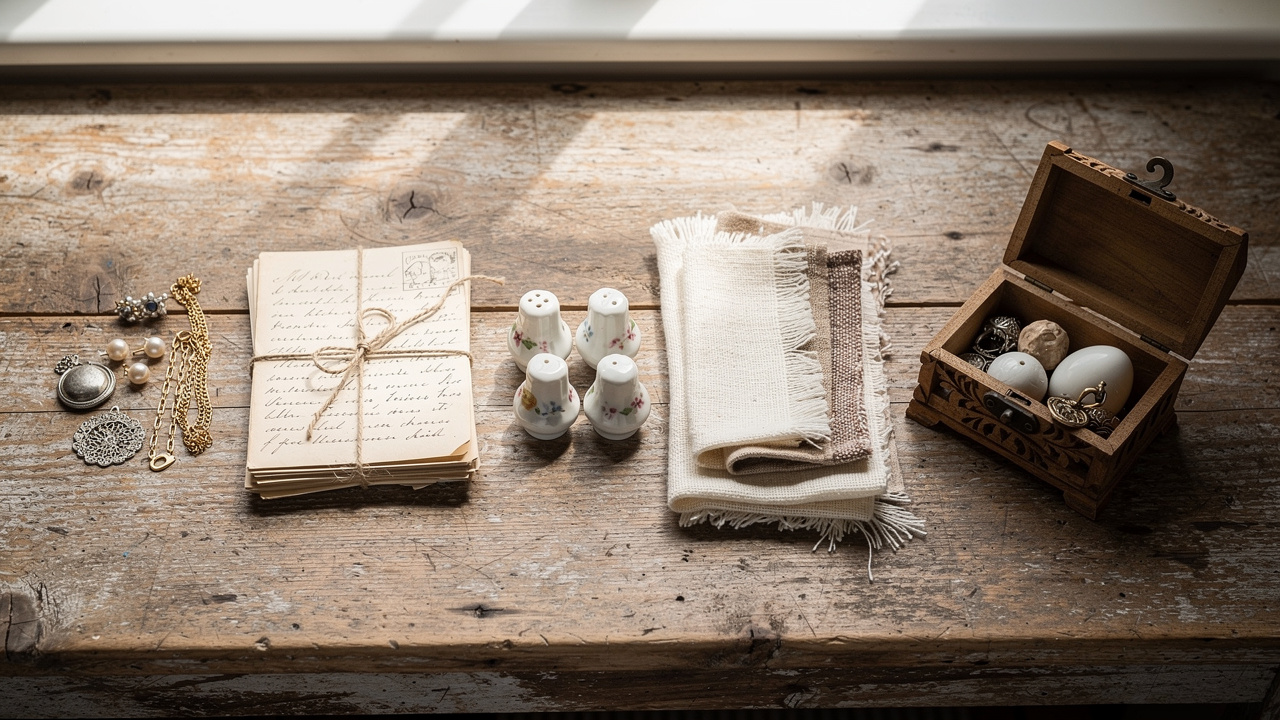
Once we understand why this feels so hard, we can shift into gentle action. The danger is not in keeping sentimental items. The real strain comes when we keep them out of guilt or obligation instead of genuine love. Every choice we make can be an act of care for our future self, not a rejection of our past — and being aware of the 8 biggest decluttering regrets that experts identify can help us avoid decisions we may later wish we had handled differently.
A helpful guiding question is simple. We can ask, “Is this object weighing me down or lifting me up?” If an item brings warmth, fits our new home, and feels right to keep, that is a clear sign. If it brings stress, takes up space we do not have, or stays in a box year after year, it may be time to let it move on.
We also do better when we do not start with the hardest things. At Downsizing Insights, our Targeted Decluttering Hit List suggests beginning with less emotional categories. Towels, extra dishes, or old office supplies help build decision muscles. That practice makes it easier later when we move into the more personal items connected to deep memories.
When we reach those sentimental items, a simple sorting process keeps us grounded:
Keep items that truly warm the heart, fit the new space, and would be painful to lose in a fire or flood. These are the things that still play an active part in daily life, not just the ones that once mattered years ago.
Pass along items that someone else in the family would love and use. A granddaughter might wear a piece of jewelry often, or a nephew might read treasured books to his own children, keeping the story alive in a fresh way.
Preserve digitally any items whose meaning lives mostly in the memory, not the material. We can photograph a large piece of furniture or scan old cards so the image and words stay with us, even when the object finds a new home.
Donate or rehome items that are still in good shape but do not fit this next chapter. Furniture, decor, and kitchenware can make a real difference for another family, a shelter, or a local charity.
Downsizing Insights also encourages a memory box approach. We choose one defined container for truly irreplaceable keepsakes. Knowing there is a limit helps us make kind but firm choices about what matters most. The box then holds the best of our past without taking over our present. We never have to decide everything in one day. The goal is steady progress, not perfection.
How To Preserve Memories Without Keeping Everything

Letting go of an item does not mean erasing what it stands for. When we are dealing with sentimental items during downsizing, we can think of it as finding the right home for each memory, whether that home is digital, written, in a smaller keepsake, or in the hands of someone new.
At Downsizing Insights, we often suggest a few simple memory preservation tools that keep stories safe without filling a storage unit:
Create digital photo albums so special items do not vanish when we donate them. A quick set of clear photos turns a box of old trophies, dolls, or favorite chairs into a small online album. Later, we can flip through these images whenever we want, without dusting or storing a single object.
Scan documents and photos that tend to stack up in closets. Old letters, report cards, and family pictures can move from bulky boxes into neat folders on a computer or in cloud storage. Once scanned, they can be shared with siblings, children, and cousins with just a few clicks.
Write the story behind a few key pieces while the details are still bright in our minds. A short page about a wedding dress, a military medal, or a recipe card can travel farther than the object alone. Future generations then understand not only what the item was, but why it mattered.
Create a memory box with a clear limit for size and number of items. When we give ourselves one box, drawer, or small chest, we gently force ourselves to choose. The result is a carefully chosen set of keepsakes instead of a house full of “maybes.”
Repurpose with creativity so favorite materials live on in a new form. A square of a loved quilt can be framed, or a small part of broken china can become a piece of jewelry. This keeps the heart of the item while letting go of the bulk.
Pass the torch by giving special items to people who will love and use them now. Handing a watch, a set of tools, or holiday dishes to a younger family member often feels more joyful than leaving them in a sealed box.
Back up digital files so memories stay safe. Keeping copies of scanned photos and documents on an external drive and in secure cloud storage protects years of history from computer problems or accidents.
Digital files and written stories can be viewed on a tablet, displayed in a digital frame, or printed into small photo books. They move with us easily and do not wear out the way physical items do. Our personalized roadmaps at Downsizing Insights often include these steps, so each person has a clear, gentle plan for how to honor memories while creating breathing room.
Finding Your Pace With Baby Steps Or A Giant Leap

Not everyone needs to move at the same speed. Some people want to clear a house in a few focused weeks. Others need months of small sessions to feel steady. Both styles can lead to the same place: a calmer home and a lighter heart, and research on how do income changes and life transitions affect decision-making suggests that having a flexible, self-directed pace significantly reduces the stress associated with major household transitions.
The Giant Leap approach works best for people with a firm deadline or for those who find a long process more painful than a short, intense push. This might mean blocking off several days, bringing in help, and making a large number of decisions in one stretch. It can feel like tearing off a bandage, but many people describe a strong sense of relief once the work is done and the rooms open up.
The Baby Steps approach is gentler and often better for seniors or anyone who feels easily drained by emotional tasks. We might start with one drawer today, one box on Saturday, and one small shelf next week. Each win builds confidence. Over time, this lines up well with the Downsizing Insights room-by-room process, which breaks a big project into clear, written steps so it never feels like too much at once.
If someone is not sure where to begin, our Downsizing Readiness Self-Assessment is a helpful first stop. It walks through emotional, financial, and practical questions so people can see what kind of support they need and what pace makes sense. From there, we offer free, no-pressure consultations with real estate advisors who specialize in senior moves and can connect clients with trusted organizers and estate planners. Whatever pace we choose, the most important step is the first one.
Conclusion

Facing sentimental items during downsizing takes real courage. It means looking closely at the people, seasons, and stories that shaped us and then choosing what to carry forward. That is not a small task. It is a brave act of care for our future self.
When we remember that our memories live within us, the work softens. Letting go of some physical items creates room, both on our shelves and in our minds, for the people and experiences that matter most right now. We are not forgetting anyone. We are making space for this next chapter.
You do not have to do this alone. Downsizing Insights offers personalized roadmaps, a gentle Readiness Self-Assessment, memory preservation ideas, and compassionate consultations to walk beside you. At some point, you may pause in your new, calmer space and realize you have done something big and brave. That feeling is worth honoring. When you are ready, you can start by taking our free Downsizing Readiness Self-Assessment or scheduling a no-pressure conversation with our team.
FAQs
Dealing with sentimental items while downsizing brings up many of the same questions for different families. These quick answers can give a starting point and ease some of the worry that so often sits underneath the boxes and bins.
How Do I Start Going Through Sentimental Items Without Feeling Overwhelmed?
Begin with easier categories so the first choices feel simple instead of painful. Our Downsizing Readiness Self-Assessment helps you notice how ready you feel emotionally before you begin. Then work room by room instead of jumping around the house. Give yourself permission to stop for a while when big feelings rise.
Is It Okay To Keep Sentimental Items When Downsizing?
Yes, it is more than okay. The goal is thoughtful keeping, not throwing everything out. Pay attention to which items bring real joy today and which stay only because of guilt. A small memory box helps you focus on the things that matter most, so you keep the best instead of keeping everything.
How Can I Help An Aging Parent Let Go Of Sentimental Belongings?
Start by listening to the stories behind the items instead of rushing to clear shelves. That listening shows respect and can lower fear. Move slowly, and offer options such as taking photos, writing down memories, or passing items to loved ones. Downsizing Insights provides guidance made for adult children in this exact role, so you can support your parent without pushing too hard.
Take your next step forward
You've learned the essentials. Now get the tools to move with confidence and clarity.
.jpg)