
How to Talk to Parents About Downsizing: 10 Gentle Tips

Introduction
That first moment when we notice Dad slowing on the stairs or Mom sighing about the yard can feel heavy. We know the house does not fit as well as it once did, yet raising the idea of a move feels risky.
When we start asking how to talk to parents about downsizing, many of us feel torn. We love our parents and want them safe, yet we never want to sound bossy or make them feel old. The fear of saying the wrong thing can keep us quiet for years.
For many parents, home is far more than four walls. It holds decades of memories, proof of effort, and a deep sense of independence, so even a gentle question about moving can sound like a threat. No wonder how to talk to parents about downsizing feels so loaded for everyone involved.
At Downsizing Insights, we walk beside families in this space every day, and we know a kinder path is possible. This guide shares ten gentle, practical tips on how to talk to parents about downsizing in a way that feels like a shared plan, not a power struggle. As we move through the ideas, we will focus on respect, clear steps, and small actions so we can protect both the relationship and our parents' well‑being.
"The conversation about moving is really a conversation about independence," one Downsizing Insights coach often says. "When families treat it that way, everyone relaxes a little."
Key Takeaways

Before we dig into each step, we can keep a few guiding ideas in mind.
- Start early, long before any crisis. Short, casual chats feel safer than rushed talks. Extra time gives everyone space to think.
- Lead with feelings, not floor plans. When we ask open questions, parents feel heard. Feeling heard makes later talks gentler.
- Keep parents in charge. Bring in help only when they feel ready. Simple tools, like gentle checklists, add structure without pressure. That mix of respect and support keeps how to talk to parents about downsizing calmer for everyone.
Why Talking To Parents About Downsizing Feels So Difficult

Before we even choose words, it helps to remember what a long‑term home often means to a parent. The house might be where they raised their family, paid off a hard‑earned mortgage, or cared for a spouse. Every door frame and drawer can hold a story. So when we start to explore how to talk to parents about downsizing, they may hear it as a threat to that history, not as simple help.
On top of that, many parents quietly fear losing control. If we bring up downsizing in a rushed way, they might hear, "You cannot manage your life any more," even if that is not what we mean. At the same time, we as adult children often worry we will sound ungrateful or pushy when we try to figure out how to talk to parents about downsizing. We know a move could make life safer, yet we hate the idea of hurting feelings or starting a fight.
This is why how to talk to parents about downsizing rarely plays out in one perfect talk. It usually unfolds over many small moments, some easy and some messy. When we accept that, we stop hunting for a magic script and start aiming for an open door. Our real goal is not to win a debate; it is to keep trust strong enough that we can keep returning to the topic with patience.
Tips 1–4: How To Start The Downsizing Conversation Gently
Once we understand the feelings under the surface, we can think about how to start the first talk in a kinder way. These four ideas help us begin the topic without pressure and set the tone for every step that follows when we are working out how to talk to parents about downsizing.
Tip 1 – Start Early, Before There Is A Crisis
The best time to sort out how to talk to parents about downsizing is when no one has to move yet. A quiet Saturday coffee or a car ride home from a doctor visit often works better than an urgent meeting. Early chats give parents time to sit with the idea, ask questions, and share fears. They also give us space to listen without feeling that we must fix everything this week.
Tip 2 – Lead With Empathy, Not Logistics
Our first move is not a list of facts or floor plans; it is a simple check‑in. We might ask questions such as:
- "How are you feeling about keeping up with the yard and stairs these days?"
- "What would your ideal setup look like over the next few years?"
Then we listen, even if the answer is, "I am not ready to change." When parents feel heard, they are far more likely to stay open to future talks about downsizing.
Tip 3 – Use We Language To Make It A Team Effort
The phrase how to talk to parents about downsizing can sound like something we do to them, but small wording shifts help. Instead of, "You should move," we might say, "I want us to think through options together." We can ask what matters most to them in a future home and repeat that back, so they know we heard it. That steady we message reminds them they are not facing this alone.
Tip 4 – Treat It As An Ongoing Dialogue, Not One Big Talk
We do not have to cover everything at once. In fact, shorter chats spread out over weeks or months usually feel safer than one long, high‑stakes sit‑down. If a talk gets tense, we can name it and say, "Let us pause and come back to this." Leaving room to return to the subject keeps how to talk to parents about downsizing from turning into a single painful event and shows parents that they set the pace.
Tips 5–7: Keeping Your Parents Empowered And In Control

Once the topic is out in the open, the next test is helping parents feel that they still steer the ship. Many older adults say their biggest fear is losing control more than facing a move itself. These next three tips center their voice at every turn and give us a clear map for how to talk to parents about downsizing without taking over.
Tip 5 – Frame Downsizing As A Gain, Not A Loss
Instead of talking about what they must give up, we can talk about what life in a smaller place might add. That could mean less housework, lower monthly costs, or more time for grandkids and hobbies. We can ask, "What would you love to have more energy for?" and then gently connect downsizing to that wish. When parents see a clear personal benefit, how to talk to parents about downsizing starts to feel hopeful, not harsh.
Tip 6 – Let Them Lead Every Decision
Whenever possible, we invite parents to go first. They can list what they most want in a new home, pick which areas to sort through this month, and choose what items come with them. When we sort belongings, a helpful question is, "What would you be glad to see every day in your next place?" Focusing on what to keep, instead of what to discard, respects their history and keeps control in their hands.
Tip 7 – Honor Their Memories Without Keeping Everything
Letting go of sentimental objects can hurt, and we can say that out loud before we offer ideas. Photo albums can become digital collections or slim memory books that fit on one shelf. Old shirts or blankets can take on new life as a quilt or pillow. As we do this, we can invite parents to tell the stories behind special items and even record them, so the memory stays even when the object does not. Some families also create one labeled memory box so treasured items have a clear, honored place in the new home.
Tips 8–10: Moving From Conversation To Action With The Right Support
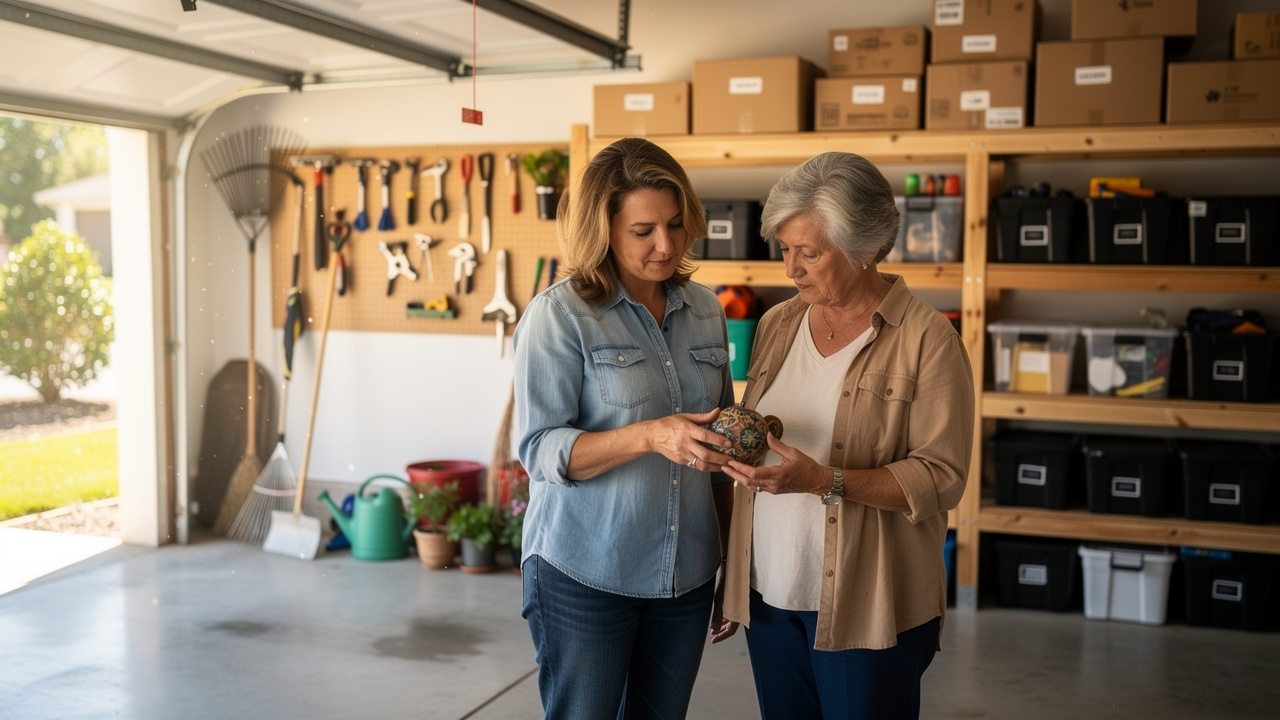
At some point, talk needs gentle action, or the subject floats forever. Moving from words to small steps does not require a harsh push; it only needs a clear plan and the right support for how to talk to parents about downsizing in real life. Small, concrete actions make the idea feel less scary and more practical.
Tip 8 – Break The Process Into Small, Manageable Steps
Once parents give a cautious yes, we keep the first tasks tiny. Many families start in low‑emotion spaces such as:
- the garage
- the laundry area
- a hall closet
"Start with the coat closet, not the wedding china," as one senior move manager told a Downsizing Insights family. "Quick wins build confidence."
We can set a very small goal like one box, one shelf, or one drawer. Each small win builds confidence and shows that how to talk to parents about downsizing can move forward without wiping anyone out.
Tip 9 – Consider Professional Support For The Logistics
There comes a point when a guide from outside the family can lower the stress. Senior move managers and other specialists know how to plan a right‑sized move and keep emotions in mind. Downsizing Insights offers free discovery calls with trusted move managers so families can ask questions and see what help might fit, with no pressure to sign anything. We also offer free, no‑obligation chats with senior‑focused real estate advisors for families who want to explore selling options at their own pace.
Tip 10 – Use A Readiness Assessment And Timeline To Reduce Anxiety
A neutral tool often helps parents talk about fears that feel hard to say out loud. Our Downsizing Insights Readiness Self Assessment gives a gentle way for each person to rate how ready they feel on emotional, financial, and practical levels. When families decide to move ahead, our twelve‑month downsizing checklist breaks the work into clear monthly steps. Both tools turn how to talk to parents about downsizing into a shared plan on paper, not just a hard talk around the table.
Conclusion

There is no perfect script for this, only a steady message that says, "We are in this together." When we start early, ask more than we tell, and keep parents in charge, how to talk to parents about downsizing becomes less about pressure and more about care.
If this topic has been sitting on your heart, one small step on how to talk to parents about downsizing is enough for today. That might be a simple check‑in with a parent, a free call with a real estate advisor, or a quiet look at the Downsizing Insights Readiness Self Assessment on the Downsizing Insights site. With patience and love, this change can open space for a safer, lighter next chapter for everyone.
FAQs
What If My Parents Refuse To Talk About Downsizing At All?
Strong resistance is common, and it does not mean the door is forever closed — community discussions such as How can I convince a reluctant parent show that many families face this same challenge and find a way through. When a parent shuts the talk down, we can treat it as a signal to slow the pace, not push harder. We can keep listening for comments about stress, health, or loneliness and return to those real concerns instead of the word downsizing itself. Some families find that filling out the Downsizing Insights Readiness Self Assessment on their own gives them language for a softer follow‑up to how to talk to parents about downsizing.
How Do I Know When My Parents Are Actually Ready To Downsize?
Readiness rarely arrives as one clear moment for how to talk to parents about downsizing. More often, we:
- hear small remarks about the house feeling too big, too quiet, or too hard to manage
- notice that parents welcome ideas instead of brushing them off right away
When that shift appears, using the Downsizing Insights Readiness Self Assessment together can help everyone see where they feel steady and where they still need time, without judgment or pressure.
Take your next step forward
You've learned the essentials. Now get the tools to move with confidence and clarity.
.jpg)