
Making Peace With Downsizing: A Gentle Guide

Introduction
Standing in a quiet living room, holding a box of old photos, many people wonder how they will ever be making peace with downsizing. The walls seem to hold every birthday, every holiday, every late-night talk. Moving to a smaller place can feel less like a real estate decision and more like saying goodbye to a whole season of life.
For empty nesters, retirees, and aging parents, downsizing often comes with mixed emotions. There may be relief at the thought of less cleaning and lower bills, but also grief, anxiety, and a deep sense of “Who am I without this home?” If that sounds familiar, nothing about your reaction is wrong or dramatic. It is a human response to a big life change.
Our work at Downsizing Insights is all about helping people make peace with downsizing in a kinder, calmer way. In this article, we walk through the emotional side, the mindset shifts that help, and practical steps that turn a mountain of “stuff” into manageable decisions. By the end, you will see how this move can support the life you want now—and how you do not have to walk through it alone.
“The question of what you want to own is actually the question of how you want to live your life.”
— Marie Kondo
Key Takeaways
Making peace with downsizing becomes easier when the big change is broken into smaller, caring steps. Before diving into the details, it helps to see the main ideas in one place.
Downsizing is emotional, not just practical. It is much more than sorting boxes; it is an emotional process filled with memories, identity shifts, and natural feelings of grief, worry, and stress. When those feelings are named and respected instead of rushed, people usually feel steadier and more in control of each decision they make.
Shift from “loss” to “alignment.” A helpful mindset shift is to move from thinking about “loss” to thinking about alignment, asking whether a home or item fits the life lived today. This way of thinking supports making peace with downsizing, because it focuses on what makes life easier, safer, and more joyful now instead of only what is being left behind.
You do not have to do this alone. Support can come from family, friends, or caring professionals. Downsizing Insights gives that support through readiness self-assessments, checklists, and experienced move managers and real estate partners who understand both the heart and the logistics of a major move.
Understanding The Emotional Weight Of Downsizing
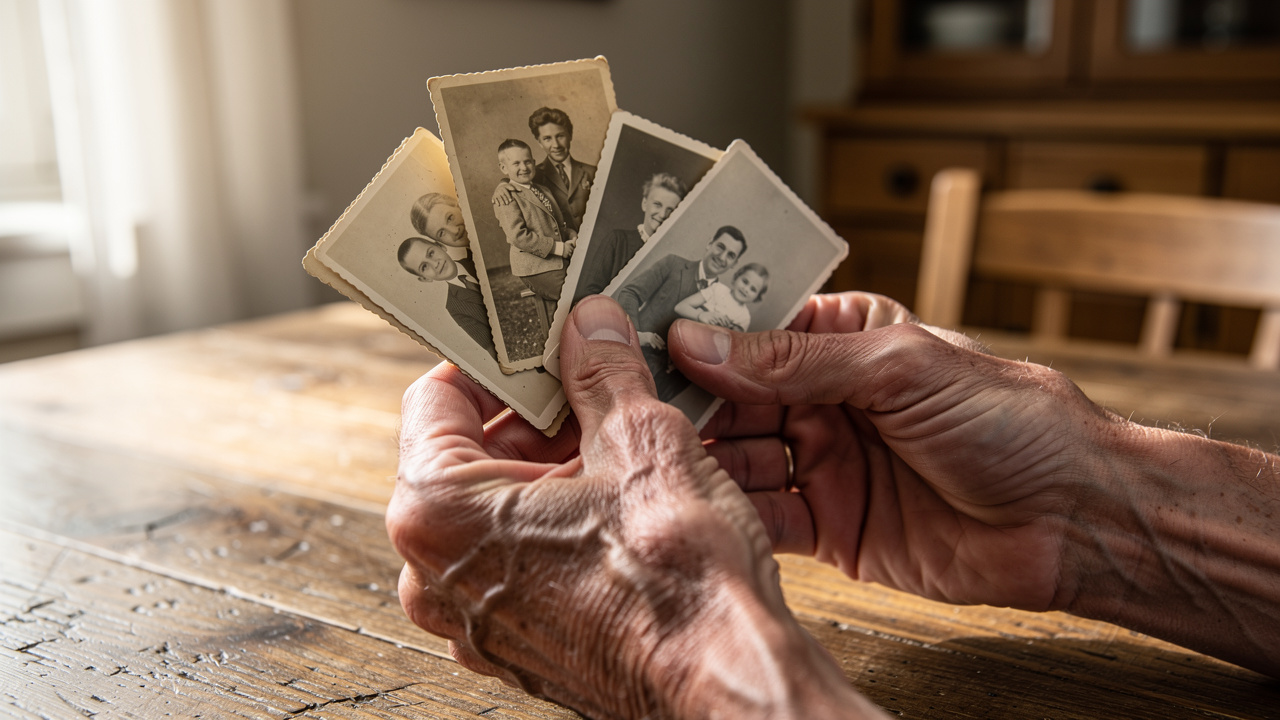
A long-time home is rarely just walls and furniture. It often holds the story of raising children, celebrating holidays, nursing loved ones through illness, and marking the everyday details of life. When we talk with clients about making peace with downsizing, we first talk about this emotional weight, because it explains why even a “simple” move can feel so heavy.
For many people, downsizing marks a shift from a life of building—careers, families, traditions—to a stage focused on simplifying, a trend that Aging Homeowners Are Reshaping housing demand across the country. That can stir up thoughts about aging, health, and time. It is common to feel grief over leaving a beloved house, even when the new place is safer, brighter, or closer to family. Going through closets and drawers brings both sweet and painful memories to the surface, and that can be tiring.
Common emotions that surface include:
Grief over leaving rooms that hold many memories
Anxiety about the new home and how life will look there
Guilt about giving away gifts or family items
Overwhelm from the number of decisions to make
Relief at the idea of less responsibility
Anxiety often appears too. People worry about what the new place will feel like, whether their furniture will fit, or how daily routines will change. The unknowns of a new condo, apartment, or retirement community can keep people awake at night. At the same time, the sheer volume of belongings gathered across decades can feel like a tidal wave. Looking at every book, pan, sweater, and paper can leave anyone feeling stuck.
There is also a quieter layer of emotion around identity. Old work files, hobby supplies, or sports gear may feel tied to who a person used to be. Letting them go can feel like closing a door on earlier versions of oneself. When downsizing happens after retirement, an empty nest, or the loss of a spouse, that feeling can be even stronger.
We remind clients that none of this means they are “bad” at moving. These reactions are a normal part of making peace with downsizing. Naming grief, anxiety, and confusion is often the first step toward moving through them, instead of being ruled by them. With the right support, this stage can even become an honest, gentle way to honor a life well lived.
“Change is hard at first, messy in the middle, and gorgeous at the end.”
— Robin Sharma
The Mindset Shift That Changes Everything

Once the emotional weight is named, the next step in making peace with downsizing is shifting how the move is viewed. Many people begin with a sense that they are “losing” their home, their things, and their past. While that feeling is real, staying in that frame makes every decision harder. A different question opens new doors.
Instead of asking, “Should I get rid of this?” we encourage people to ask, “Does this fit my life today?” That small change removes a lot of guilt. An object may have been perfect for raising kids, hosting big family dinners, or working full time, but may not fit a quieter, simpler season. When the focus moves from the past to the present, choices start to feel less like punishment and more like care for the person you are now.
You can use questions like:
Do I use this often, or am I keeping it out of habit or guilt?
Does this item support the way I live now, not ten or twenty years ago?
If I were moving across the country, would I pay to move this with me?
Would I miss this item in six months if it were gone?
This mindset also highlights what is gained instead of only what is left behind. A smaller home often means less cleaning, fewer repairs, and lower bills. That can free up money for travel, hobbies, medical needs, or gifts. Many clients notice that after they right-size, they have more energy and a calmer mind because they are not always managing stuff, appointments, and home projects.
None of this means people should ignore their feelings. In fact, talking openly about fear, sadness, or anger is one of the healthiest parts of making peace with downsizing. Some people talk with a trusted friend or adult child. Others find it helpful to speak with a counselor, especially when old family hurts surface while sorting through belongings.
We also talk about “curating” the next chapter, almost like arranging a gallery. Instead of viewing downsizing as getting rid of things, it can be viewed as choosing the belongings, routines, and spaces that support the life wanted now. That might mean keeping the art supplies used every week and letting go of the formal dishes never used anymore.
For anyone who is not sure how ready they feel, the Readiness Self-Assessment is a gentle place to start. It helps people look at emotional, financial, and practical signs of readiness without pressure. That clarity makes it easier to decide when and how to move forward in a way that truly supports them.
Practical Strategies For Navigating The Process With Grace

A kind mindset helps, but there is still the practical work of sorting, packing, and moving. Many people tell us that making peace with downsizing feels more possible when they follow a clear, step-by-step plan instead of trying to do everything at once. Starting early is one of the most helpful choices. We suggest beginning three to six months before a planned move so that decisions can be thoughtful rather than rushed.
A simple starter plan often looks like this:
Set a realistic timeline. Mark your target move date, then work backward to block out small weekly tasks.
Begin in low-emotion areas. Save sentimental spaces for later.
Schedule short work sessions. Aim for 1–2 hours at a time, then rest.
Use clear categories. Common ones are Keep, Donate, Give to Family, Sell, Recycle, Trash.
Review your progress weekly. Celebrate finished spaces to keep motivation up.
The next helpful move is to begin in low-emotion areas. Bathrooms, extra linens, cleaning supplies, paper clutter, and duplicate kitchen tools are easier to sort than baby books or heirlooms. When people start here, they build momentum and see quick wins. This builds confidence before working through the boxes and rooms that hold deeper memories.
Working one small area at a time also keeps stress lower. Rather than bouncing from room to room, pick a single closet, cabinet, or bookshelf and stay there until it is done. With our Downsizing Checklist and Targeted Decluttering Hit List, clients often set a weekly plan, such as “hall closet this Saturday” and “desk drawers next Thursday.” Each finished spot becomes a small proof that progress is real.
Sentimental items are usually the hardest part, so they deserve special care and time. We guide clients through gentle options that keep the stories, even when not every object can move along.
Many people choose to pass a cherished item to a child, grandchild, or close friend and tell the story behind it while handing it over. This turns letting go into an act of sharing, as both the item and the memory gain a new chapter in someone else’s life, and the giver sees that the object will continue to be loved.
For collections, such as travel souvenirs or sets of dishes, another approach is to select just one or two pieces that best represent the whole. These chosen items can be displayed or used often, while the rest are sold, donated, or gifted, which keeps the heart of the collection without filling cabinets and boxes.
When space is tight, taking photos of special objects can offer comfort. People often create digital albums or small printed books with pictures and short notes about each item. The result is a memory record that can be shared with family members and enjoyed without taking up shelves or storage bins.
Donating items can also bring a deep sense of purpose, especially when given to charities or community groups that match personal values. Knowing that a couch will help a new family set up a first apartment, or that winter coats will keep someone warm, can change the feeling from loss to quiet satisfaction.
Family involvement can be helpful, especially when adult children or close relatives feel connected to the family home. Offering them a chance to walk through the house and choose meaningful items before a sale or donation often reduces conflict. Clear talks about why downsizing is happening—more safety, less stress, better finances—help everyone work from the same understanding.
Professional support is another key part of making peace with downsizing. Downsizing Insights connects clients with kind, experienced move managers and senior-focused real estate agents who guide the whole process. Our home inventory lists make mover quotes more accurate, and our city-specific guides outline local options and services. With the right team, older adults stay at the center of every choice, and family members feel less pressure to manage everything alone.
“You are never too old to set another goal or to dream a new dream.”
— C. S. Lewis
Finding The Freedom And Benefits Waiting On The Other Side

When the last box is unpacked and the extra items are gone, many people feel a wave of relief they did not expect—a phenomenon tied to the broader demographic wave that the The 'Silver Tsunami' in real estate describes as a defining shift in how older Americans are choosing to live. They look around a smaller, calmer home and realize they have done something big and brave. Making peace with downsizing starts to feel less like an idea and more like daily life.
The rewards show up in simple ways:
There is less to clean and repair, which means more time for grandkids, travel, faith communities, hobbies, or simple rest.
Bills are easier to handle, and closets and cabinets make sense.
Safety often improves, with fewer stairs, better lighting, and less clutter.
Daily routines become simpler, with everything needed close at hand.
Many clients tell us their minds feel clearer because their homes are no longer filled with stacks and piles that constantly ask for attention. Some notice they sleep better, feel lighter, and have more space—inside and out—for what matters most.
Best of all, the new space reflects who they are today. The furniture fits, the photos on the wall are the ones that matter most, and the items in the kitchen match how they really eat and live. The home feels like a gentle base for the next stage of life, not a storage unit for the past.
To support this stage, Downsizing Insights offers city-specific guides, webinars, and free discovery calls with senior-focused real estate advisors and move managers. These resources help people keep moving forward with confidence, from early planning to settling into a new community. The real goal has never been a smaller square footage; it has always been a lighter, more intentional life that leaves more room for what truly matters.
Conclusion
Making peace with downsizing is both emotional work and practical work, and both parts matter. Saying goodbye to a long-time home, sorting through a lifetime of belongings, and choosing what to bring forward can stir up grief and uncertainty. Those feelings are normal, and they do not erase the memories or the love held in that space.
At the same time, a smaller, simpler home can open doors to more freedom, safety, and ease. When the process happens on a person’s own terms, at a pace that feels right, it can mark the start of a hopeful new chapter. If this move is on the horizon, one gentle step is to take the Downsizing Insights Readiness Self-Assessment or schedule a no-pressure Discovery Call. With patient, expert support beside you, making peace with downsizing can feel far more possible.
FAQs
How Do I Emotionally Prepare Myself For Downsizing?
Emotional preparation is just as important as packing boxes. Start by admitting that this is a big change and giving yourself permission to feel sad, worried, or even angry. Our Downsizing Insights Readiness Self-Assessment can help you notice where you feel steady and where you feel unsure. Talking early with trusted family members or a counselor, and giving yourself three to six months to plan, makes the whole process gentler.
What Should I Do With Sentimental Items I Cannot Keep?
Sentimental items deserve time and care. Many people choose to give special pieces to family members or friends and share the stories while handing them over, which turns letting go into legacy-sharing. Others take photos and create digital or printed albums so the memories are kept without using space. Donating meaningful items to causes you respect can also bring comfort, because the objects go on to help someone else.
When Is The Right Time To Start Downsizing?
The best time to start is before a health scare or crisis forces a rushed move. Beginning three to six months ahead of a planned change gives you space to think, remember, and decide without panic. Starting early also helps with making peace with downsizing, because you stay in control rather than reacting to pressure. If downsizing is even a “maybe,” exploring Downsizing Insights resources and booking a free Discovery Call can give you clear next steps.
Take your next step forward
You've learned the essentials. Now get the tools to move with confidence and clarity.
.jpg)