
How to Prepare a House for Sale Quickly (4 Key Steps)

Introduction
The house feels quiet in a new way. The kids’ rooms still hold trophies, photo collages, and posters, and every closet seems to hold a story. Standing in the middle of it all, it can be hard to know how to prepare a house for sale quickly without feeling like the walls are closing in.
We understand that this is not just about boxes and paint. For many of us at Downsizing Insights, this stage comes after decades in one place, with real memories in every room. The idea of sorting, cleaning, and fixing everything at high speed can feel impossible, especially for seniors, empty nesters, or families working through big life changes.
Here is the good news. Learning how to prepare a house for sale quickly does not have to mean panic or chaos. With a simple order of steps and the right kind of help, the process can feel calmer and even empowering. You can decide what matters most, what fits your timeline, and how much energy you want to spend.
In this guide, we walk through four clear areas that make the biggest difference. We start with planning and decisions, then move into decluttering, cleaning and repairs, and finally staging and selling options. Along the way, we share how Downsizing Insights supports each step, so that this move feels like a thoughtful next chapter, not a rush out the door.
Key Takeaways
- Starting three to six months before a planned move gives the best mix of calm and progress. It lets decluttering, repairs, and planning happen in small, steady steps instead of late-night marathons.
- Working one room at a time keeps the process from swallowing the whole week. A simple plan for each space builds momentum and makes the question of how to prepare a house for sale quickly feel far less scary.
- A deep clean and a short list of small repairs send a clear message to buyers. They see a home that has been well cared for, which often leads to stronger offers and fewer last-minute issues.
- No one has to handle every piece alone. Programs from Downsizing Insights such as Prepare And Sell or As Is Quick Close match the plan to the seller, not the other way around.
- Professional real estate photos help all that effort pay off. Strong images pull more buyers in online and can be the final push that leads to faster showings and offers.
Step 1: Lay The Groundwork Before You List

Before a single drawer opens, it helps to step back and look at the full picture. Many people jump straight into boxes and trash bags and then stall out because they never paused to answer why they are moving and how fast they want or need to go. A short planning pause at the start makes the rest of the path smoother.
We often begin with what we call a readiness check. That means looking at:
- timing and possible move dates
- health and physical needs
- support from family or friends
- what you hope this move will do for your life and budget
Our Downsizing Insights Downsizing Insights Readiness Self Assessment and Downsizing Checklist break the big decision into simple questions, so you can see where you feel steady and where you want extra help.
The next step is to bring in a real estate agent who fits this stage of life. An agent who often works with seniors and empty nesters understands that the pace, questions, and emotions are different from a first-time buyer sale. A good agent offers early market insight, explains what buyers look for in your area, and talks through paths such as a traditional listing, Prepare And Sell, or As Is options without pressure to sign before you feel ready.
A pre-sale inspection is another smart move. For a few hundred dollars, an inspector looks at the roof, major systems such as heating, cooling, electrical, and plumbing, and the structure and gives a clear report. That report gives you choice: you can fix key items, adjust price, or disclose issues up front instead of facing tense talks after a buyer inspection.
Last, gather your paperwork in one place. That folder might hold:
- appliance manuals
- records for the roof, furnace, or major systems
- warranties
- receipts for large projects or upgrades
Buyers love to see proof that a home has had steady care, and you gain confidence when you can answer questions with facts instead of guesswork. If sorting all this out feels heavy, Downsizing Insights offers free, no-pressure calls that help shape a plan before any firm move date is on the calendar.
Step 2: Declutter And Depersonalize Without Losing Yourself

For most longtime owners, this step feels like the hardest one. Every shelf and drawer holds pieces of a life well lived, and the idea of sorting them under a tight timeline can feel harsh. We want to say very clearly that letting go of an item does not erase the memory that goes with it.
“Have nothing in your house that you do not know to be useful, or believe to be beautiful.” — William Morris
To keep this stage manageable, we suggest a room-by-room approach. Start with spaces that hold less emotion, such as a guest room or storage area. One finished room builds a sense of progress, which helps when you move into more personal spaces. As you work, use a simple system:
- Keep
- Donate
- Trash
Try to decide in the moment instead of making large piles that need sorting again later.
A helpful rule we use with clients is the one-year test. If an item has not seen use in more than a year, chances are high that it can move to the donate box. This rule does not apply to heirlooms, photos, or deeply personal items, but it works very well for extra kitchen tools, clothing, and decor. The less you move to the next home, the lower your moving bill and the easier your new space will feel.
Storage spaces deserve focused time as well. Buyers always open closets, pantries, and cabinets, and jam-packed shelves signal that there is not enough room. Aim for shelves and rods that sit about half to two-thirds full. Matching hangers, clear bins, and simple labels make even an older closet feel generous.
Sentimental items often need a different plan. Some families take photos of artwork, trophies, or collections and then keep just a few favorite pieces in a memory box. Others pass treasured items on to children or grandchildren now, instead of later. The house can shift toward a neutral, buyer-friendly look while your story moves with you.
Depersonalizing is the last part of this stage. We suggest that families remove personal photos, diplomas, hobby displays, and religious items and replace them with calm, neutral art or even blank walls. A simple vase of flowers or a bowl of fruit on the counter adds warmth without tying the space to one family. If this all still feels like too much to manage alone, our team at Downsizing Insights can pair you with guided decluttering support, so each step has a kind voice and a clear plan.
Step 3: Clean, Repair, And Refresh For A Lasting First Impression
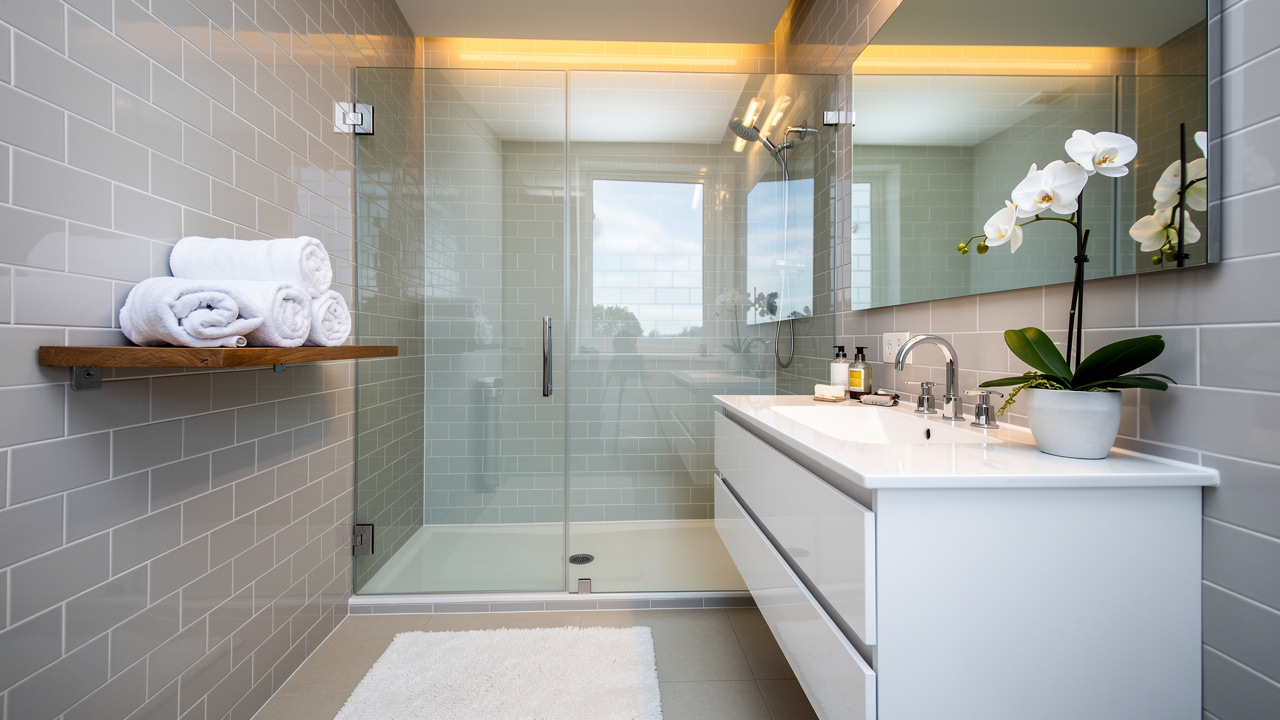
Once extra items are out of the way, real progress happens through cleaning and small fixes. Buyers often decide how they feel about a home based on how clean it looks and smells even more than on the age of the kitchen. This is where careful effort pays off without the cost of a major remodel.
“You never get a second chance to make a first impression.” — Will Rogers
Kitchens and bathrooms need the most attention. Scrub grout until it looks light again, clean inside the oven, microwave, and refrigerator, and replace any stained or cracked caulk around tubs and sinks. Polish faucets and handles so they shine and remove hard water spots from glass and fixtures. These rooms feel fresher right away when they are spotless, even if the finishes are older.
Next, turn to the places that often get skipped in normal weekly cleaning. Baseboards, door frames, and light switches collect dust and scuffs and tell buyers how the home has been treated over time. Wipe down fan blades, vents, and window sills, and wash interior and exterior glass until it is clear. When sunlight pours into a bright space, buyers tend to stay longer during showings.
Odors matter more than many owners realize. Because we get used to our own home, it helps to invite a trusted friend in for an honest smell check. If they notice pet, smoke, or cooking odors, deal with those at the source. That might mean professional carpet cleaning, washing curtains and pet beds, or a fresh coat of paint. Try to skip heavy air fresheners, which many buyers see as a cover, and lean on fresh air and clean surfaces instead.
A fresh coat of paint in a soft neutral color might be the single best update you can choose. Warm gray, soft beige, or gentle off-white tones make rooms look larger and brighter, and they let buyers picture their own style. Even if a full repaint is not possible, touch up scuffs and patch nail holes wherever you can.
Walk through the house and note small repairs. Tighten loose cabinet pulls, fix squeaky hinges, adjust sticking doors, repair dripping faucets, and replace every burned-out lightbulb. Step outside and give the yard and entry the same care, with trimmed grass, edged walkways, fresh mulch, a clean or freshly painted front door, and power-washed siding to boost curb appeal. If the list feels too long to handle with your current energy or budget, our Downsizing Insights Prepare And Sell option works with trusted partners to complete key updates now and collect payment when the sale closes.
Step 4: Stage, Photograph, And Choose Your Selling Path

With the heavy lifting done, the focus shifts to how the home feels to a fresh set of eyes and how it appears online. At this point, the question of how to prepare a house for sale quickly becomes how to present that work in the best light.
Thoughtful home staging does not mean turning the house into something fancy or fake. The goal is a warm, neutral space that lets buyers see how each room could work for them. Give every room one clear role, such as bedroom, office, or sitting area, so there is no guesswork. Pull furniture a bit away from the walls to create open paths and make the room feel larger. Add soft throws, neutral pillows, and a few plants or flowers so the space feels alive but calm. During showings, open curtains and blinds to invite as much natural light as possible.
Professional photography ties all your effort together. Most buyers scroll through listings before they ever step into a car, and bright, well-framed photos draw them in. A real estate photographer knows the best angles and times of day to show each room. We suggest that our clients wait to schedule photos until decluttering, cleaning, and staging are complete, so every image reflects the true best version of the home.
Pricing is another key step. Work with your agent to study recent sales in your area that match your size and style. A home that feels move-in ready often brings stronger offers faster, while a home with clear project needs might attract buyers at a different price point. Honest talks with your agent help set a number that fits both the market and your goals.
Finally, decide which selling path matches your life:
- A traditional sale uses full staging, open houses, and showings to aim for the highest price and works best when time and energy allow for that process.
- Our Prepare And Sell program suits owners who want that higher price but prefer not to handle contractors or pay for work up front.
- For those who need speed or wish to skip cleaning and repair altogether, our As Is Quick Close path connects you with vetted cash buyers who can close in roughly one to three weeks.
Downsizing Insights offers free, gentle consultations to walk through each path so you can move forward with peace of mind.
Conclusion

Preparing a house for sale quickly does not have to feel like a storm that sweeps life out from under you. With a simple step order and the right kind of support, it can feel more like turning a page with care.
By reading this far, you have already done something important. You have gathered a clear picture of what matters most before listing, from planning and decluttering to cleaning and staging. You also know that there is more than one right way to move on, whether that means a fully prepared listing or an as-is sale.
The next move can be small. You might download a Downsizing Insights checklist, book a free call with a senior-focused real estate advisor, or simply choose one easy room to start. One choice at a time, this house can move toward a ready sale, and you can move toward a home and a pace that fit the next season of life.
FAQs
Question 1: How Long Does It Take To Prepare A House For Sale Quickly?
In a calm, steady plan, we like to see three to six months between the first thought and the move date. That gives time for decluttering, minor repairs, and family talks without panic. Many families start sorting items about three months before they expect to list. If health, work, or other factors demand a faster move, our As Is Quick Close option can lead to a sale in roughly one to three weeks, with very little prep at all.
Question 2: What Should I Fix Before Selling My House?
Safety comes first, so we focus on issues such as loose railings, bad outlets, or clear roof leaks. Next, we look at major systems such as the furnace, air unit, and plumbing, since buyers worry about large surprise costs. After that, small, visible fixes such as fresh paint, working lightbulbs, and smooth doors help buyers feel at ease. If this list feels too large, our Prepare And Sell program can handle high-impact work now and receive payment from sale proceeds at closing.
Question 3: Can I Sell My House Without Making Any Repairs Or Doing Any Cleaning?
Yes, that is possible. Some owners do not have the time, money, or physical strength to manage long to-do lists, and they should still have clear choices. Our As Is Quick Close path connects sellers with cash buyers who accept the home in its current shape. There are no open houses, repeated showings, or long repair notes, and closings can often happen in a matter of weeks, not months, in exchange for a modest trade-off in sale price.
Question 4: How Do I Handle The Emotional Side Of Selling A Home I Have Lived In For Decades?
The feelings that come with leaving a longtime home can surprise even very steady people. We suggest gentle steps such as taking photos of rooms before changes begin and saving digital images of special objects that cannot all move along. It can also help to pass a few cherished items to family members ahead of time and to keep a small box of personal treasures for the next home. At Downsizing Insights, we speak openly about the emotional side of selling a home, not just the tasks, and we offer support that honors both the heart and the practical needs of this move.
Take your next step forward
You've learned the essentials. Now get the tools to move with confidence and clarity.
.jpg)