
How to Transfer Utilities When Moving: Simple Guide

Introduction
Moving out of a long-time home can feel like packing up a whole chapter of life, not just boxes. Alongside the emotions, practical questions pile up, especially how to transfer utilities when moving without letting anything slip through the cracks. That mix of memories and logistics can get heavy fast.
Many people tell us utilities are the part they worry about most. Power, water, gas, internet, trash service, maybe a security system — it sounds like a lot of calls and a big risk of mistakes. The good news is that with a simple plan, transferring utilities becomes a short, clear list of tasks.
At Downsizing Insights, we focus on this exact stage of life — empty nests, retirement, and right-sizing to a home that fits the next season. Our Downsizing Checklist and guided support walk through each task, including utilities, in calm, clear order. In this guide, we will cover what to do first, how to time each change, what to ask about money, and how to use your move to lower your bills in your new home.
Key Takeaways
Before diving into the details, it can help to see the big picture in one place. These are the core steps we follow with our own clients when we plan how to transfer utilities when moving to a new home.
Contact every utility company at least three to four weeks before moving day. That extra time gives room for technician appointments, small surprises, and a calmer pace.
Create one master utility list for your current home, covering electricity, gas, internet, trash, and any services handled by an HOA. Keep provider names, account numbers, and phone numbers in one place so nothing is forgotten.
Use a one-day overlap so you never walk into a dark or cold home: start service at the new home the day before move-in, and stop service at the old home the day after you move out.
Keep careful records. Take photos of every meter on move-out day, write down confirmation numbers, and save emails that confirm account openings and closures.
Treat downsizing as a fresh start. Adjust internet and TV packages, ask about energy audits, and set up a home that costs less to run month after month.
As many professional move managers like to say, "If it is not written down, it will get missed during move week."
Before You Pack a Box: Getting Organized

When someone feels overwhelmed by a move, we almost always find their utilities are still scattered across drawers, email accounts, and old paper bills. Getting organized three to six weeks before moving day is the single step that brings the biggest sense of calm. Once information is in one place, the question of transferring utilities shifts from Where do I even start? to a short checklist.
The best place to begin is a master utility list. Grab your most recent bills or log in to your online accounts. For each service, note the provider name, account number, customer service phone or website, and how you pay the bill. Include electricity, natural gas or propane, water, sewer, trash, recycling, internet, TV, any landline, and any home security or monitoring service. If you pay HOA dues, mark which services are already covered so you do not pay twice later.
Next, look ahead to the new address. If you are moving nearby, many providers may stay the same; for a move to a new city or state, you may need all new companies. Three sources are especially helpful:
Real estate agents, landlords, and property managers usually have a ready-made list for that address.
City or county websites often have a Utilities or Public Works page listing water, sewer, and trash providers.
Local Facebook groups and neighborhood apps can share honest reviews about internet and TV options, which matters a lot if someone in the home works online often.
Before you pick up the phone, gather a few key details and keep them together: move-out date, move-in date, full new address, a reliable email, and a good phone number. Some city services ask for proof of residency, such as a lease or closing document, so keep a copy handy. At Downsizing Insights, our Downsizing Checklist prompts people through each of these details step by step, so by the time move week arrives, the whole utility picture is already clear.
How to Time Your Utility Transfers (and Why It Matters)
Timing is where many people stumble, even when they have a neat list of utilities in hand. The fear of paying for two homes at once can lead to shutting things off too early. The result can be walking into a chilly house with no lights or trying to clean an empty home with no running water. The heart of transferring utilities is getting the timing right, and it is simpler than it seems.
We use one basic rule with nearly every move: ask providers to stop service at the old address the day after you fully move out, and to start service at the new address the day before you move in. That one-day overlap on both ends covers small delays. If the moving truck is late, if a buyer wants one more walkthrough, or if a technician needs a different time slot, you still have some cushion.
This overlap matters more than people expect. With power and water still on at your old home, there is time for a last round of vacuuming, wiping shelves, and minor repairs. Buyers and their agents can test appliances, faucets, and the heating or cooling system before closing, which protects everyone. At the new home, having lights, hot water, and heating or cooling already running makes move-in day safer and less stressful for everyone helping.
For the overlap to work, you need to start early. Call or go online at least three to four weeks before your move. Internet and TV often require technician visits, and appointment times can be limited, especially at the start or end of the month. When you contact each provider, have your account numbers, old and new addresses, preferred stop and start dates, and a payment method ready in case a deposit or small fee comes up. Our move management support at Downsizing Insights focuses heavily on this timing, because when these dates are solid, the rest of move week tends to go much more smoothly.
Contacting Providers and Managing the Financial Details

Once your dates are clear, it is time to talk with each company. This is where transferring utilities turns into practical phone calls and online forms. We like to think of this stage as the calls to make and the money questions to ask, because both parts matter.
Start with your current providers and ask a simple question about each account: can they move service to your new address, or do you need to close this account and start fresh with someone else? For local moves, many power and water companies can simply shift your account. For longer moves, you will likely open new accounts instead. Many companies now let you handle these changes online, but a short phone call is often the best way to double-check dates, ask about fees, and update your mailing address all at once.
Money questions can feel uncomfortable, but it is better to raise them now than be surprised later. Most power, water, and gas companies do not charge to move or start basic service when accounts are in good standing. Internet and TV companies are different and often add start-up, installation, or transfer fees. New providers may also ask for a security deposit, especially for a brand-new account. It is completely reasonable to ask whether any fees can be reduced or waived, especially if you have a long history of on-time payments.
Old bills matter just as much as new ones. Before move-out, check for any balance that will be due after the final meter reading and plan to pay it quickly so old accounts do not follow you to your new home. A few weeks after the move, call former providers again to confirm that accounts are fully closed and show a zero balance. At that time, ask about any deposits you paid in the past; many people are pleasantly surprised to receive a refund they had forgotten.
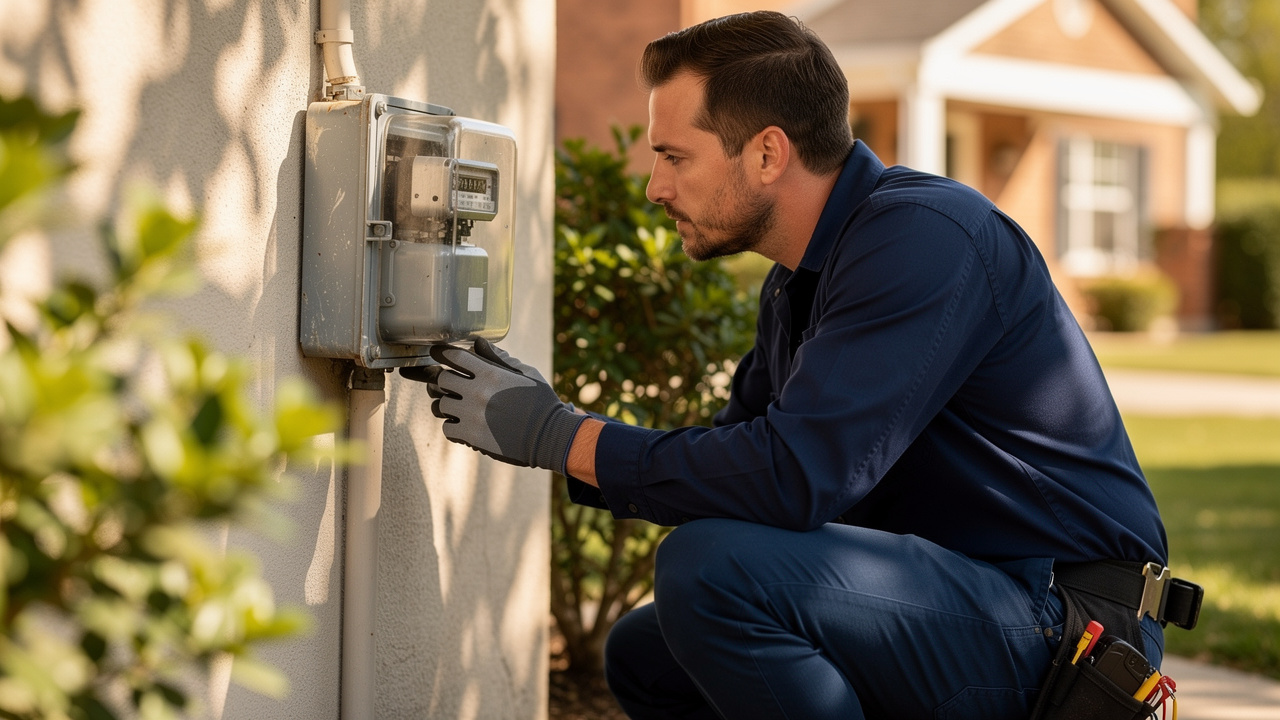
During this whole stage, documentation is your friend. On the last day in your old home, take clear, date-stamped photos of each meter so you have proof of where usage stopped — Building Accurate Energy-Use Statistics underscores why precise meter documentation matters for fair billing and dispute resolution. Save emails that confirm stop and start dates, along with notes that list confirmation numbers from each call. File a change of address with the U.S. Postal Service so any stray bills still find you. At Downsizing Insights, we build these steps into our checklists and guided support so no one has to rely on memory during an already busy week.
Settling In and Saving More in Your New Home

By the time move-in day arrives, most of the hard work around utilities is already behind you. This is where transferring utilities turns into something more positive. A smaller, right-sized home often costs less to heat, cool, and light, and those savings show up again and again on monthly bills.
As soon as you arrive at the new home, do a quick utility check before boxes start to pile up. Flip a few light switches, run taps until they are hot, and test the stove if it is gas. If internet or TV is part of your plan, check that connection as well. If anything is off, call the provider right away while you still have your notes, names, and dates handy.
Once the basics are working, it is a good time to right-size your services for this new stage of life. Review your TV and internet packages and see whether they still match your actual habits. Many people find they can drop premium channels or step down to a slower speed once children are no longer streaming in every room. Ask your power company if they offer a home energy audit, which is often free or low cost and can point you toward practical changes. Simple upgrades such as LED bulbs, a smart thermostat, weatherstripping around doors, and low-flow showerheads can gently lower bills without a big project — and a Duke study says data center and residential load flexibility combined could unlock significant national savings on power costs. At Downsizing Insights, we highlight these quiet wins because lower monthly costs free up money and energy for the parts of life that matter most in this new home.
Conclusion

Transferring utilities sounds complicated until it is broken into clear steps. Once you understand how to transfer utilities when moving — make a master list, plan the timing with a small overlap, and handle the money details — the whole process becomes manageable. Instead of worrying about lights or hot water, you can focus on settling into your new space.
This move is more than a change of address. For many people we work with, it marks the shift into retirement, into life after children leave home, or into a home that is kinder to aging bodies. Getting utilities handled with care is one way to honor that change and give yourself a soft landing. Our Downsizing Insights Downsizing Checklist and guided support are built to walk beside you through every part of this move, not just the utility calls. Whether you are just starting to think about downsizing or you already have a moving date on the calendar, we are here to help you move forward with clarity and a little more peace.
FAQs
How Far in Advance Should I Contact Utility Companies When Moving?
We suggest contacting every utility provider at least three to four weeks before your move date. That gives enough time to set stop and start dates and to book any technician visits, especially for internet and TV. If you are leaving a home you have lived in for many years, starting five or six weeks ahead can feel even more comfortable. Early planning is the best way to avoid service gaps and last-minute stress.
How Much Does It Cost to Transfer Utilities When Moving?
For most households, moving basic services such as electricity, water, and gas costs little or nothing when accounts are in good standing. Internet and TV providers are the most common source of extra charges, such as start-up, installation, or transfer fees. New accounts with any provider may also require a security deposit, which is often returned after a period of on-time payments. When you call, ask about every possible fee, and do not hesitate to ask whether any of them can be reduced.
Who Is Responsible for Transferring Utilities When Selling a Home?
Both buyer and seller have a part to play. The seller pays for utility use through the official closing date and contacts each provider to stop service after that date. The buyer sets up new accounts in their own name and asks for service to begin on closing day so there is no break in power, water, or gas. Title companies do not handle utility transfers, although they may note any unpaid city utility bills that need attention.
What Do I Do If I Forgot to Transfer My Utilities Before Moving?
First, take a breath and know this happens more often than people admit. Then contact the utility providers right away instead of waiting, starting with power, water, and gas at the new home. If something has already been shut off, ask for reconnection as soon as possible and be prepared for a possible deposit or a short wait for a technician. Once things are back on track, a structured guide such as the Downsizing Insights Downsizing Checklist can help make sure no important step is missed for the rest of your move.
Take your next step forward
You've learned the essentials. Now get the tools to move with confidence and clarity.
.jpg)