
Long Term Care Insurance for Seniors: Complete Guide

Introduction
Planning for long term care insurance for seniors often feels heavy and confusing. The topic touches money, health, and where someone might live next, so many families push it aside until a crisis shrinks their choices.
Long term care insurance helps pay for help with bathing, dressing, and memory support when Medicare and regular health insurance no longer pay. It sits between medical treatment and daily life and can protect savings that took decades to build. This guide walks through what long term care means, what it costs, the main ways to pay for it, and how housing decisions connect to all of that.
The goal is steady information, not pressure. Take what fits, talk it over with people you trust, and move one step at a time.
Key Takeaways
Before we go deeper, it helps to hold a few key ideas in mind. These points frame every decision that comes next.
- Medicare covers short medical treatment. Ongoing help with daily tasks is different. Insurance or savings usually pay for that.
- Real care costs often reach six figures. Prices rise over time in most regions, so planning with inflation in mind matters.
- People use three main paths. Traditional policies, hybrid policies, and personal savings all play roles. Downsizing can free money for any of them.
What Is Long-Term Care Insurance For Seniors — And Why Does It Matter?

Long term care insurance for seniors helps pay for ongoing support when an older adult cannot manage daily tasks alone. It matters because Medicare and most health plans rarely cover this kind of extended care, so without a plan the costs often fall on families already under stress.
Long term care focuses on help with the Activities of Daily Living (ADLs): bathing, dressing, eating, using the toilet, moving in and out of bed or a chair, and continence. Many policies also cover supervision for cognitive conditions such as Alzheimer’s disease, whether care happens at home or in a facility.
This care is different from hospital or doctor treatment. Medical insurance and Medicare pay for acute treatment and short rehabilitation after a hospital stay. According to Medicare.gov, they do not pay for most non‑medical help with daily tasks, even when that help is needed every day. That gap often surprises families who assume Medicare will handle “nursing home” costs.
Needing support is more common than many people expect. Research from the U.S. Department of Health and Human Services shows that someone turning 65 has nearly a 70 percent chance of needing some form of long term care, with an average need of about three years, as outlined in the government's national plan on aging strategic framework.
“Someone turning age 65 today has almost a 70% chance of needing some type of long-term care services and supports in their remaining years.”
— U.S. Department of Health and Human Services
For empty nesters, retirees, and adult children, facing that reality early allows calmer choices about housing, savings, and family roles.
How Much Does Long-Term Care Actually Cost?

Long term care is expensive. For many households, it is one of the biggest threats to a retirement plan, so clear numbers turn vague worry into practical planning.
According to the Genworth Cost of Care Survey, the national median yearly cost is about $77,800 for a home health aide, $70,800 for assisted living, and $127,750 for a private nursing home room (Genworth). A three‑year stay in a private room can easily exceed $380,000—enough to drain savings that took decades to build.
Here is how costs often break down by setting:
- Home care lets many older adults stay in a condo or smaller house. Homemaker services and home health aides often fall in the mid‑$70,000 range per year, and hours can add up quickly.
- Assisted living mixes housing, meals, and help with daily tasks. The national median cost is a little over $70,000 yearly, a middle option between full nursing care and living alone.
- Nursing homes provide round‑the‑clock skilled care. A semi‑private room already costs well into six figures per year, and a private room is higher. For long stays, these bills can reshape a family’s entire financial picture.
Costs also vary by state and even by city. A facility in New York or San Diego may charge far more than one in a smaller town. Genworth’s data shows that long term care prices have tended to rise faster than general inflation over many years (Genworth), so planning based only on current prices, without room for increases, leaves a gap. Benefit amounts and inflation protection in a policy help close it.
What Are Your Options For Covering Long-Term Care Costs?
Options for covering long term care costs fall into three broad buckets:
- Traditional long term care insurance
- Hybrid life insurance and long term care policies
- Self‑funding from savings or home equity
Each path balances flexibility, cost, and peace of mind differently.
Traditional standalone policies focus only on long term care. You choose a benefit amount, coverage length, and a waiting period before benefits start. Many policies offer optional inflation protection so benefits keep pace with rising prices. The main trade‑off is “use it or lose it”: if care is never needed, premiums are not returned, and insurers may still request rate increases, subject to state approval.
Hybrid policies tie long term care benefits to life insurance. A policy might offer a death benefit that can be used early to pay for qualifying care; as it pays out for care, the death benefit shrinks. If care is never needed, beneficiaries receive the full amount at death. Some versions, such as linked‑benefit plans or long term care annuities, offer a pool of money for care that can be several times larger than the original premium. Inflation protection is often weaker, and these products can be more complex to compare.
Self‑funding means paying for care directly from retirement accounts, brokerage accounts, or home equity. This route offers freedom about where and how care happens, but it also means taking on the full risk of a long and expensive need. Research from Fidelity notes that large care costs often land in someone’s eighties or nineties, after years of withdrawals, when even strong portfolios can feel fragile.
Which Option Fits Your Situation?

The best mix of options depends heavily on family shape, health patterns, and finances.
- A single person may focus on avoiding becoming a burden for adult children, a concern reinforced by research showing that low-income older adults face significantly worse health outcomes, underscoring the financial stakes of planning decisions.
- A married couple also has to think about the healthy spouse’s life if one partner needs years of care. Shared‑benefit policies, which let spouses draw from one combined pool, can help with that goal.
Family medical history matters as well. If several relatives have faced Alzheimer’s disease, Parkinson’s disease, or long disability, more generous coverage can make sense—perhaps a longer benefit period or stronger inflation protection. For families with high liquid assets, carefully planned self‑funding backed by a modest policy may feel reasonable. For households with more modest savings, a policy often protects the nest egg that also supports housing, daily expenses, and any future move guided by a service such as Downsizing Insights.
When Should You Buy Long-Term Care Insurance — And How Does Downsizing Fit In?

The right time to buy long term care insurance for seniors is usually earlier than people think. Most people who purchase coverage do so in their fifties or early sixties, when health is still fairly strong and premiums are lower. Waiting until the seventies often means higher costs and a much greater chance of being turned down.
Long term care insurance uses medical underwriting. Insurers review health history, current conditions, and medications. A new diagnosis such as heart disease, stroke, or serious diabetes can close the door on coverage. According to AARP, about three quarters of adults over fifty want to stay in their homes as they age, yet many do not plan how health changes might affect that goal. Buying coverage while still relatively healthy keeps more doors open — a point supported by studies on misperceptions about care probabilities, which show that many adults systematically underestimate their likelihood of needing long-term care, leading to delayed or foregone coverage.
For many older adults, the home is the largest single asset. Selling a large family house and moving to a smaller, easier place can free up equity and lower monthly costs for utilities, taxes, and repairs. That extra cash flow can help pay premiums or create a reserve for future assisted living or in‑home care. A smaller home can also reduce physical strain, which matters if mobility weakens over time.
This is where Downsizing Insights fits in. The platform offers free, no‑pressure calls with real estate professionals who hold the Seniors Real Estate Specialist (SRES) designation. These advisors talk through timing, local markets, and what a sale might actually net after fees. Downsizing Insights also provides a Downsizing Readiness Self Assessment and city‑specific guides for places such as Denver, San Diego, and New York. Together, these tools help families see how a housing move can support care planning, not just feel like a real estate choice.
The Bottom Line Start The Conversation Before You Need To

Long term care is not a far‑off problem for “other people.” Most of us will need help at some point, and the costs can reshape retirement if nobody plans ahead. Thinking through long term care insurance for seniors is an act of care for the whole family, not just a financial exercise.
A reasonable next step is simple:
- Talk with a financial advisor about which mix of insurance and savings fits your picture.
- Ask a doctor how current health trends might play out over time.
- Share wishes with adult children early, while decisions still feel calm.
If a move is likely, Downsizing Insights can help you explore what selling or downsizing might free up, through a free consultation and practical guides. One clear step now often prevents a pile of rushed decisions later.
Frequently Asked Questions
What Is The Average Cost Of Long-Term Care Insurance For Seniors?
There is no single average cost for long term care insurance for seniors. Premiums depend on:
- age at purchase
- health and family history
- benefit amount and benefit period
- whether you add inflation protection
A healthy fifty‑five‑year‑old usually pays much less than a sixty‑five‑year‑old buying the same coverage, and waiting also raises the chance that medical issues block approval. A financial advisor or long term care specialist can show quotes for several designs.
Does Medicare Cover Any Long-Term Care Services?
Medicare does not cover ongoing custodial long term care, such as help with bathing, dressing, or eating. It only pays for limited skilled nursing after a qualifying hospital stay and under strict rules. According to Medicare.gov, Medicare Supplement Insurance, often called Medigap, also does not add long term care coverage. This gap is a main reason many families look at private insurance or other funding plans.
What Happens If I Can't Afford Long-Term Care Insurance?
If someone cannot afford long term care insurance, other paths still exist, though each has trade‑offs:
- Medicaid may pay for nursing home or community care for people who meet strict income and asset rules, which often means spending down most savings first (Medicaid.gov).
- Veterans may qualify for programs through the Department of Veterans Affairs.
- Some families plan to self‑fund from savings or home equity. Downsizing a home can free equity that might otherwise sit locked in the property.
A financial planner or elder law attorney can explain how these options apply to your situation.
Is It Too Late To Buy Long-Term Care Insurance If I'm Already In My 70s?
Buying long term care insurance in the seventies is harder but not always impossible. Premiums are higher, and medical underwriting turns down more applications at these ages, especially when there are heart issues, diabetes, or memory concerns. Some hybrid policies with life insurance may still be available if health is fair. Even if it feels late, talking with a qualified agent or advisor can clarify whether coverage is realistic or whether other steps make more sense.
How Does Downsizing Help Pay For Long-Term Care?
Downsizing can support long term care planning in two main ways:
- Selling a larger home and moving to a smaller place can release a large amount of equity that can fund premiums, in‑home help, or a move to assisted living.
- Monthly costs for utilities, maintenance, and taxes often drop as well, freeing more cash for care.
Downsizing Insights connects families with SRES‑designated agents and offers free consultations, so seniors can see how a move might support both housing needs and future care.
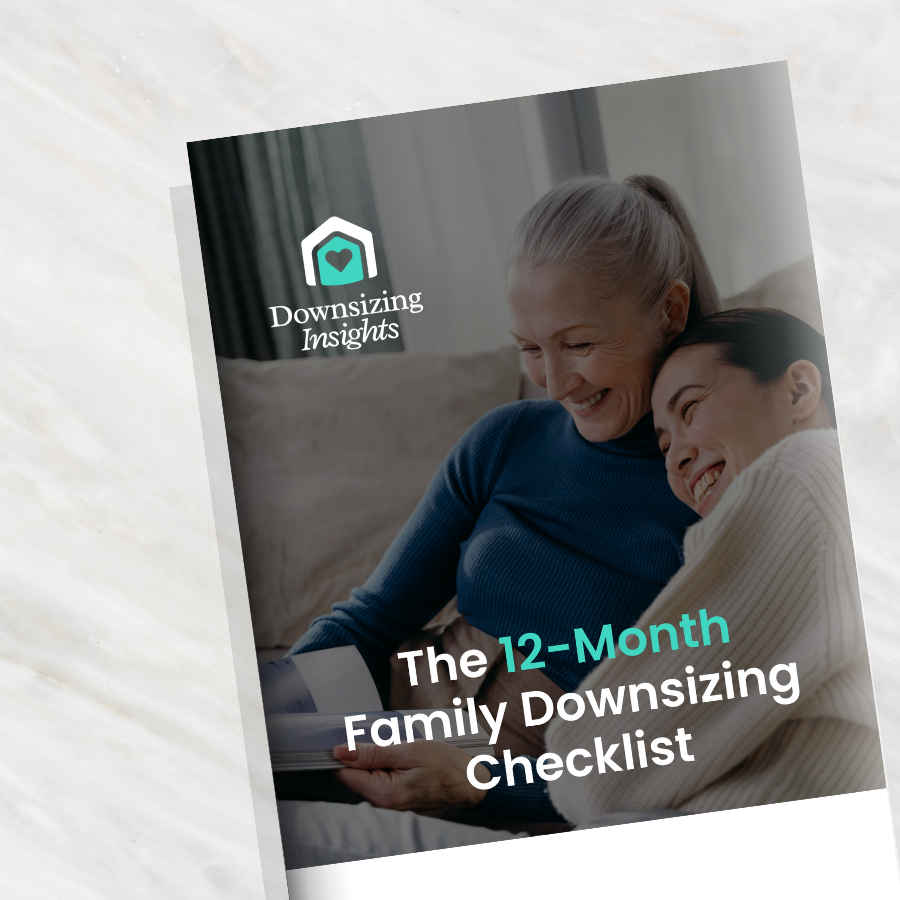
Take your next step forward
You've learned the essentials. Now get the tools to move with confidence and clarity.
.jpg)