
Pros and Cons of Downsizing: A Clear Guide for 2026

Introduction
The house can feel strangely quiet after the last child moves out. Doors stay open, beds stay made, and whole rooms sit untouched for weeks. That quiet often brings a big question to the surface, and many people start weighing the pros and cons of downsizing for the first time.
We see this moment often at Downsizing Insights. A move isn’t only about square footage or money. It touches memories, daily routines, and even identity. A home may hold decades of birthday parties, holiday dinners, and late‑night talks. It takes real courage to ask whether it still fits the life you’re living now.
It’s normal to feel torn. Part of you may crave less stress and lower bills, while another part clings to the place where so much life happened. In this guide, we walk through the real pros and cons of downsizing across finances, lifestyle, emotions, and timing, and share how our tools and advisors can support each step. The goal is simple: more clarity, less pressure, and a next step that feels right for this stage of life.
Key Takeaways
Before diving deeper, here’s a quick snapshot of what this guide covers:
- Downsizing can lower housing costs in several areas. Mortgage or rent, property taxes, insurance, and utilities often shrink with a smaller place, giving retirement income or a single paycheck more room to breathe.
- Lifestyle gains matter just as much as the dollars. A smaller home usually means less cleaning and fewer chores, which frees time and energy for travel, hobbies, volunteering, or simple rest.
- Emotional and social changes are very real. Saying goodbye to a long‑time home and neighbors can bring sadness and worry. Gentle planning and honest conversations help those feelings move alongside the practical plans.
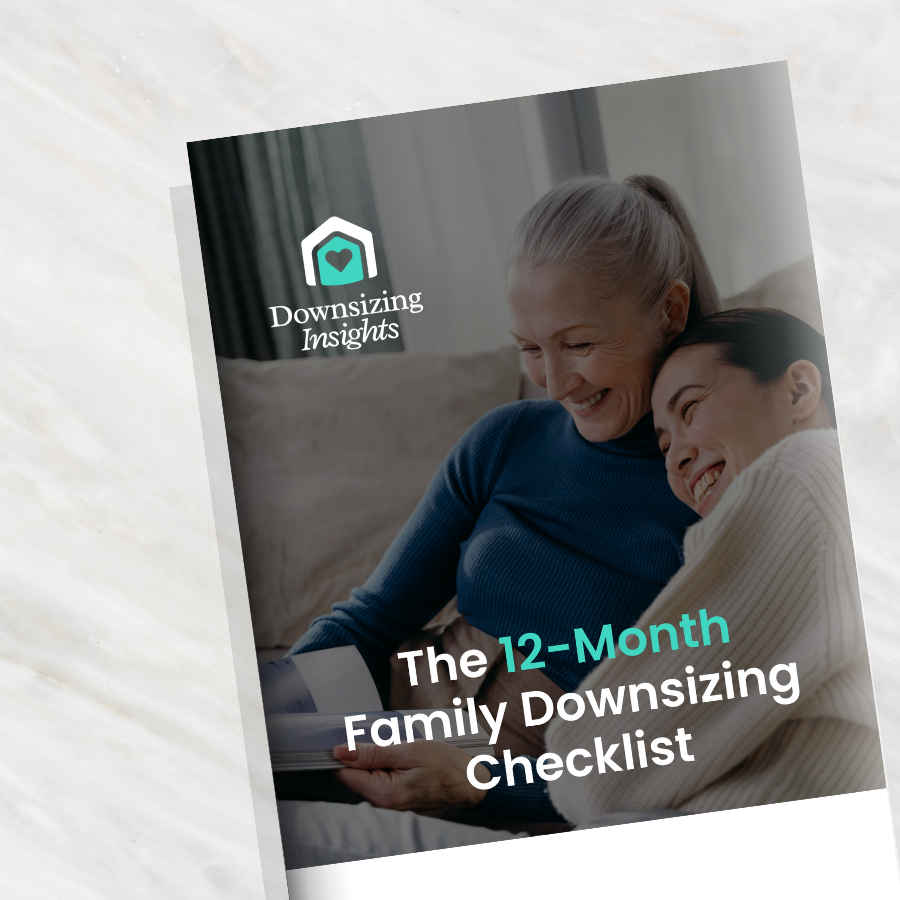
- Space and hosting options will be different. Storage, guest rooms, and large holiday dinners may need new plans. Tools such as the Downsizing Insights Downsizing Insights Readiness Self-Assessment and 12-Month Downsizing Checklist can help you sort through these trade‑offs with less stress.
The Financial Pros of Downsizing – How Smaller Can Mean Richer

When people first ask about the pros and cons of downsizing, money is often the starting point. A large house can carry large costs, especially in retirement or after a major life change. Moving to a smaller home can free up cash in two ways: from the sale itself and from lower monthly bills.
If you’ve owned your home for many years, there’s a good chance it has gained value. Selling a larger, long‑held home can create a meaningful pool of money. That equity might allow you to:
- buy a smaller home with little or no mortgage
- give retirement savings a strong boost
- pay off lingering debt that has been hanging over your head
Under current tax rules, many homeowners can exclude a large share of profit on a primary home sale, which keeps more of that money in their own accounts. A trusted tax professional can explain how those rules apply to your situation.
Once the move happens, the numbers often keep getting kinder. A right‑sized home usually costs less to carry month after month. The savings tend to show up in several places at once:
- Mortgage or rent: Moving from a large single‑family house to a smaller place often cuts this payment, sometimes by hundreds of dollars each month. For some sellers, paying cash for the new home means the housing payment disappears — a trend explored in depth by research on The Rise of Mortgage-Free living among downsizers.
- Property taxes: These are usually tied to the value of the home. A less expensive place typically means a lower yearly tax bill, which helps fixed income feel more comfortable.
- Insurance, utilities, and repairs: A smaller home usually means lower insurance premiums and less space to heat and cool. Smaller roofs and systems also tend to bring fewer surprise repair bills.
For retirees, these changes can protect savings and stretch Social Security or pension income. Lower monthly costs may mean less pressure to pull money from investments during market dips.
“Housing is often the biggest line in a retiree’s budget, so shrinking that cost can matter as much as saving more,” as many financial planners like to remind their clients.
At Downsizing Insights, our free Real Estate Guidance and Consultation connects people with senior‑focused real estate advisors who can estimate current home value, likely sale proceeds, and realistic costs for a new place. Having that clear picture makes the financial side of the move far less scary.
The Lifestyle Pros – Less Home, More Life

The pros and cons of downsizing aren’t only about math. Daily life inside a smaller, easier home often feels lighter. Many clients tell us the biggest surprise is how much mental space opens up once they’re no longer caring for a house that no longer fits.
A smaller home usually means:
- fewer rooms to clean and organize
- fewer systems and appliances to maintain
- fewer “weekend projects” that keep piling up
For those who move into a condo or managed community, yard work, snow removal, and exterior repairs are often handled by someone else. That change alone can take a big weight off sore backs and worried minds.
With fewer chores and lower costs, time and money can shift toward what truly matters. Some people travel more, even if it’s just short visits to see grandchildren. Others dive into long‑delayed hobbies such as painting, container gardening, writing, or joining a local walking group. Instead of spending Saturday on home projects, they spend it on relationships and experiences.
Downsizing can also open the door to a new location that better fits this stage of life. That might mean:
- moving closer to adult children or grandchildren
- choosing a walkable town center with coffee shops and parks
- settling in a milder climate with easier winters
Being near good medical care, favorite activities, or a tight circle of family can turn a simple move into a wise life shift.
Accessibility is another quiet but powerful benefit. Single‑level homes, condos with elevators, and 55‑plus communities often include wider doorways, step‑free entries, and showers that are easier to use as balance or strength changes. Planning for these features before health issues appear can protect independence later on.
Many people also enjoy the social side of a new community. Condos and senior‑focused neighborhoods often offer fitness classes, game nights, clubs, and casual gatherings.
We often hear, “I moved for the smaller house, but I stayed for the people.”
When the home itself is easier to manage, it becomes possible to say yes to more of that, which can reduce loneliness and add a sense of fun to daily life.
The Real Cons of Downsizing – Costs, Challenges, and Adjustments

A fair look at the pros and cons of downsizing has to cover the hard parts too. The move can bring very real costs, both in dollars and in feelings. Knowing about these ahead of time gives you room to plan instead of being surprised.
First, there are upfront financial costs that come with nearly any move. Before listing a home, many sellers spend money on repairs, light updates, or inspections to help the sale go smoothly. Real estate commissions and closing costs on both the sale on both the sale and the next purchase can take a visible bite out of proceeds. Then come moving day expenses such as packing supplies, movers, short‑term storage, and any new furniture that fits a smaller layout.
New monthly fees can also show up in the next home. Condos, townhomes, and many planned neighborhoods have homeowner association or condo fees. These often cover landscaping, snow removal, shared roofs, and community spaces, which bring real value, but they do add to the budget every month. If you’re not ready to part with certain belongings, renting a storage unit becomes another ongoing bill.
The emotional side is sometimes the hardest part. Leaving a long‑time family home can feel like leaving a chapter of life behind. The marks on the wall where you tracked children’s heights, the spot on the porch where coffee was shared every morning, the familiar creak in the stairs — all of those details carry memories. Grief, anger, or guilt can bubble up as boxes are packed, and that reaction is completely normal — a reality well-documented in research on Layoffs and Downsizing and the broader emotional and social disruption that major life transitions can trigger.
There’s also the shift away from a known community. Long‑time neighbors may feel like extended family. The checker at the local store may know your name and favorite items. Moving away from those daily touches can feel lonely at first, even if the new place is friendly. Building a new social circle takes time and patience.
Space and privacy bring their own trade‑offs. A smaller home may not have a spare bedroom, which can make hosting adult children and grandchildren less simple. Large holiday dinners might move to a restaurant or to the next generation’s table. In apartments and many townhomes, shared walls can mean more noise and less privacy than a detached home. Pet rules can also be tighter, with limits on size, number, or breed that should be checked before signing any lease or purchase agreement.
The good news is that while these downsides are real, they’re not fixed walls. With clear budgets, open conversations, and a pace that respects emotions as well as numbers, many families find ways to honor both the head and the heart. At Downsizing Insights, we see that the more people prepare for these challenges, the more the scale tips toward long‑term gains.
Is Now the Right Time? How to Know If You Are Ready to Downsize

Even after studying the pros and cons of downsizing, a big question often remains: Is now the right time, or should the move wait a year or two? This is where life events and personal readiness come together.
Certain moments tend to bring this decision into focus:
- retirement and the shift in income and daily routine
- children moving out, leaving rooms mostly unused
- health changes that make stairs, long drives, or yard work harder
- a strong pull to live closer to family or better medical care
Planning early makes everything easier. Giving the process at least three to six months allows time to time to declutter, fix small issues before listing, research new communities, and compare numbers with a calm head. Rushed moves often lead to choices that don’t fit as well and create stress that could have been avoided.
Readiness isn’t only about money. It has emotional and practical parts too. Some people feel financially prepared but still raw about leaving their home. Others may be eager to drop the work of a big yard but unsure about apartment living.
That’s why we created the Downsizing Insights Readiness Self-Assessment, a short set of questions and reflection prompts that helps you see where you feel steady and where you feel unsure, without any sales pressure.
A common saying among senior move specialists is, “The best time to plan a move is before you’re forced to.”
For those who decide to move forward, our 12-Month Downsizing Checklist breaks the process into clear steps, from early planning to unpacking the last box. It includes honest reality checks and simple tips so the move feels like a series of small, doable tasks instead of one giant leap.
Conclusion
The pros and cons of downsizing reach far beyond a simple address change. On one side, there are real gains in lower costs, lighter chores, better access, and the chance to live closer to what matters most right now. On the other, there are serious costs, from fees and commissions to the ache of leaving a beloved home and community.
Thinking about a change of this size takes courage, and the fact that this article is in front of you means that work has already begun. With thoughtful planning and the right support, many people find that the long‑term rewards of downsizing bring steady relief and a home that fits this chapter of life much better.
If it feels helpful, we invite you to visit Downsizing Insights, try the free Downsizing Readiness Self-Assessment, download the 12-Month Downsizing Checklist, or schedule a no‑pressure Real Estate Guidance and Consultation. Each tool is designed to help turn questions into clear next steps, so any move you make is done with confidence and care.
FAQs
A few common questions often come up while people sort through the pros and cons of downsizing. Here are brief answers to the ones we hear most often.
What Are the Biggest Pros and Cons of Downsizing for Retirees?

For many retirees, the main pros are lower monthly costs and more freedom. Selling a larger home can free up equity and cut bills for taxes, insurance, utilities, and repairs. The main cons are the upfront moving expenses, possible new fees in condos or senior communities, and the sadness of leaving a long‑time home and friends. Every situation is different, which is why a gentle readiness check can be so helpful.
How Do I Know If I Am Financially Ready to Downsize?
Start by looking at current home equity and what a sale might bring after commissions and closing costs. Then compare that number with expected costs of a new place, including any association fees and realistic moving expenses. A free, no‑pressure real estate consultation can give a clear market picture before any decisions are made. Our Real Estate Guidance and Consultation service at Downsizing Insights connects you with advisors who understand the needs of seniors and families in transition.
How Long Does the Downsizing Process Typically Take?
The timing can range from a couple of months to a year or more, depending on how much needs to be sorted and how quickly a home is listed and sold. Many people feel best when they start planning three to six months before they hope to move. A structured guide such as the Downsizing Insights 12-Month Downsizing Checklist can turn that time into clear, simple phases so the process feels steady rather than rushed.
Take your next step forward
You've learned the essentials. Now get the tools to move with confidence and clarity.
.jpg)