
Storage Solutions for Downsizing to a Smaller Home

Introduction
A smaller home sounds peaceful until storage decisions turn every closet and box into a source of stress. When you start searching for storage ideas for downsizing, the task can feel too big to begin.
This guide slows the process and lays out steps toward a lighter life, not a frantic move. You will see how to read a floor plan, sort belongings more calmly, and use storage in ways that fit your new space. We will also touch on self-storage, sentimental items, and support from Downsizing Insights when you want it.
If this already feels heavy, that is normal. Move through each section slowly, and keep only the ideas that fit your life now.
Key Takeaways
This section gives a calm snapshot of what comes next. It keeps storage plans for downsizing from feeling endless. Treat it as a soft starting point, not a strict checklist.
- Start With The Floor Plan. Measure rooms and big furniture. Decide what can reasonably fit.
- Emotional Prep Matters. Notice stress signals. Adjust your pace gently instead of pushing through.
- Creative Storage Beats Extra Space. Use walls well. Keep floors as clear as possible.
- Honor Sentimental Pieces. Limit yourself to one or two memory boxes. Write stories down.
- Downsizing Insights Offers Guidance. Follow calm checklists. Find support early, before the move feels urgent.
Why Storage Planning Should Come Before You Pack A Single Box
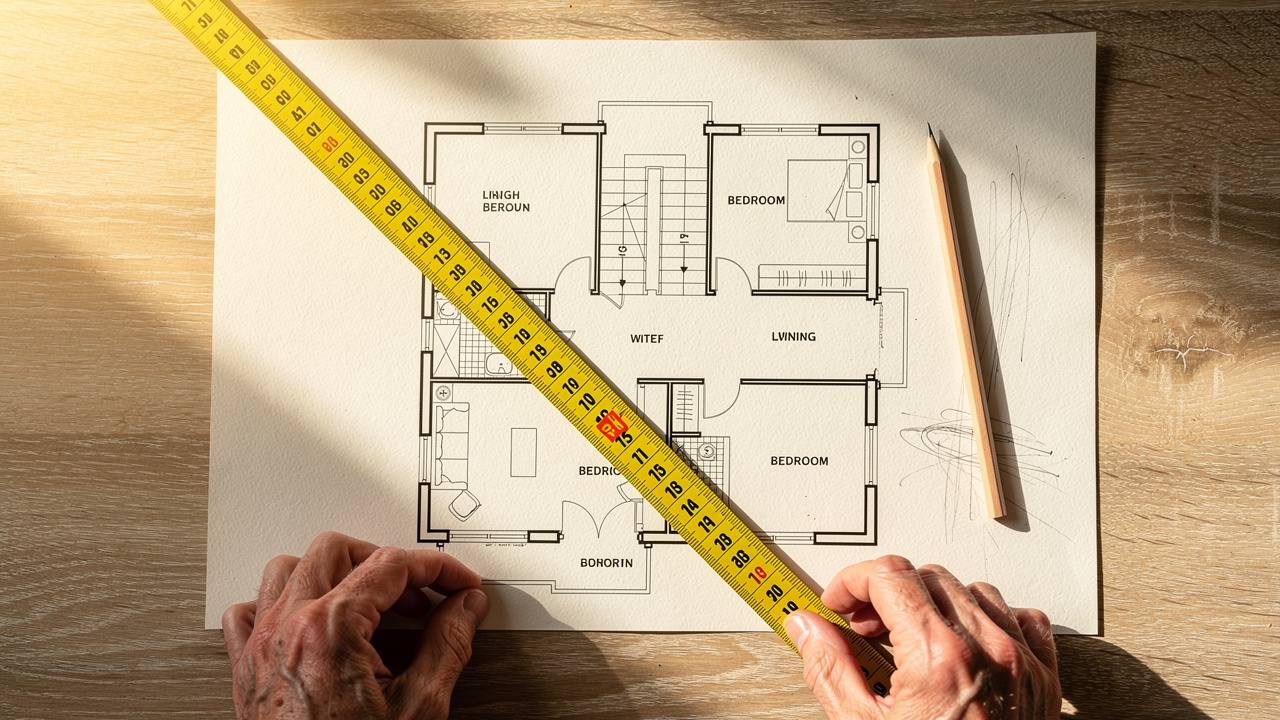
Thoughtful storage planning before any packing makes a downsize calmer and more affordable. When you map space first, hard choices feel clearer instead of rushed. According to AARP, many older adults describe moves from longtime homes as among their most stressful life changes. Front-loading decisions makes storage for downsizing feel lighter to carry. You give yourself real room to think instead of reacting under pressure. That alone eases stress.
Start with the new home's floor plan, not with cardboard boxes — a principle reinforced by practical guides like Downsizing 101: Your Guide to moving to a smaller home, which walks through how measuring rooms and doorways saves significant stress and expense. Ask the agent or community for a copy that shows room sizes and doorways. Measure your large pieces, like the sofa, dining table, and bed frames, and compare those numbers with the plan. If something cannot move through the doors or sit comfortably in the room, it does not belong on the truck.
Next, walk room by room and write down what you own. Instead of guessing, you now see the volume of clothing, books, tools, and decor that would compete for space. Note which items you use often, which simply sit, and which hold memories. This honest picture guides every later choice about what to keep, donate, or pass along.
To make your list more useful, capture a few extra details:
- Group items by room (kitchen, bedroom, garage, etc.).
- Mark anything that is essential for daily life (medications, mobility aids, favorite chair).
- Star items that are high value or heirlooms, so you can give them special attention.
- Note pieces that already feel like clutter; they are strong candidates to leave behind.
Then use that information as you plan:
- Check big pieces against the floor plan. Decide early which furniture sells, donates, or stays. This avoids paying movers to haul items that will never fit.
- Use your inventory to sort items into daily, occasional, and rarely used groups. Place daily items on your mental priority list. Let rarely used items move to donate piles or temporary storage, not straight into closets.
- Share this plan with family or helpers before packing day. When everyone knows what fits and what does not, arguments shrink. The move feels more like following a map than fighting over boxes.
Pro Tip: As professional organizers often say, “If everything is a priority, nothing is.” Let your floor plan, not guilt, decide what earns a spot in the new home.
How To Handle The Belongings That Are Hardest To Let Go

Handling the belongings that feel closest to your heart can stop any downsize in its tracks. The hardest part of storage plans for downsizing is rarely shelves or bins; it is the memories stitched into objects. Research from Pew Research Center shows many older adults have lived in the same home for decades, so each room carries layers of family history — a pattern explored in depth in studies on Hidden Treasures: Why households retain unused products and resist letting go. No wonder even small items feel loaded — academic research on Unraveling the closet: Exploring reflective decluttering shows that clothing and personal items carry deep identity significance, making long-term sufficient consumption a genuinely complex psychological challenge.
Start by slowing the pace with your most emotional items — a behavioral insight supported by recent research such as Ijcrt2506204.Pdf, which examines consumer attachment and the psychological barriers people face when deciding to part with long-held possessions. Instead of giant decisions, pull aside a modest amount that clearly matters, and talk through the stories with whoever is present. Then choose one or two small containers as official memory boxes. These hold the irreplaceable pieces that truly tell your story, not every greeting card or program you ever saved.
Some memories can live in new forms rather than in full-size objects. Families Downsizing Insights has heard from scan old photos into online albums, frame a single square of a worn quilt, or turn broken china into simple jewelry. Giving a beloved item to someone who will actually use it, like holiday dishes to the child who hosts, often brings quiet relief. You still honor the history, while the physical load becomes lighter.
“Keep only those things that speak to your heart.”
— Marie Kondo
A few gentle tactics can make this stage less painful:
- Write a few lines about an item before you let it go. Note who gave it and why it mattered. Keep those words in a small notebook or phone note.
- Use a time-limited box for uncertain items. Label it with a review date months ahead. If you never open it before then, donate or give away the contents.
- Agree on a short list of automatic yes items, like wedding rings or military medals. Saying these out loud lowers fear. Once those are safe, people often feel more open to sorting the rest.
- Take photos of bulky items (trophies, furniture, artwork) and store those images in a labeled folder. A picture can preserve the memory without taking up square footage.
- If family members disagree, set clear rules, such as: “One keepsake box per person” or “If you want it, you must have space for it in your own home.”
Smart Storage Ideas That Actually Work In A Smaller Home
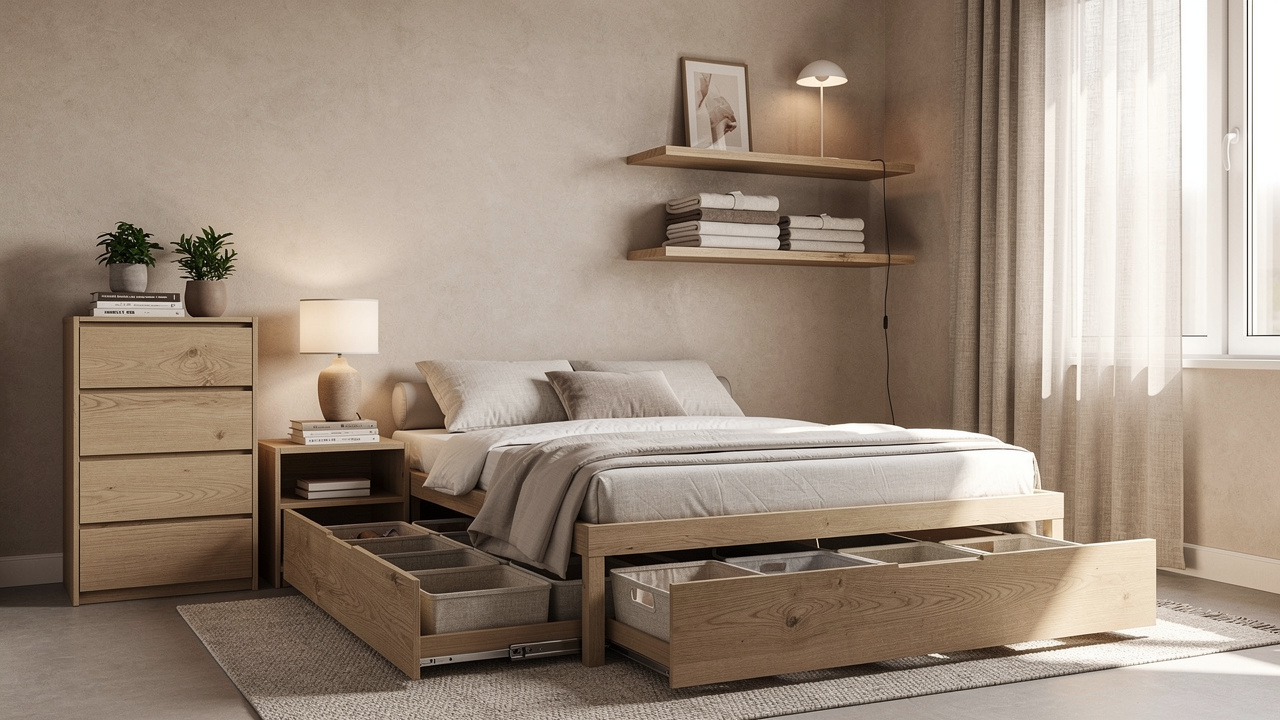
Smart storage in a smaller home grows from clear systems, not from cramming every gap. The most practical storage strategies for downsizing build on three ideas: using height, choosing double-duty furniture, and spotting hidden pockets of space — an approach detailed room by room in guides like Downsizing Before a Move: a room-by-room guide from This Old House. When you work with these, a modest home can hold far more than you expect without feeling closed in.
First, look up. Empty wall and door surfaces can handle far more than most floors. Floating shelves, wall-mounted racks, and simple hooks near entry doors keep coats, bags, and keys off furniture. Research from the Princeton University Neuroscience Institute found that visual clutter competes for your attention, so getting items onto walls and behind doors can lower stress.
Next, ask every large piece of furniture to earn its spot. Beds with drawers, sleeper sofas, and lidded ottomans hide linens, guest bedding, and toys where dust bunnies used to live. A tall but shallow chest makes a sturdy TV stand while tucking away cables, games, and internet equipment. When you choose pieces that quietly store things, storage plans for downsizing blend into everyday life instead of adding more clutter.
Finally, search for dead space that can quietly work harder. The area under a bed, the top of kitchen cabinets, and the empty wall by the back door all offer chances for bins, baskets, or a small bench with storage. Even a narrow stair landing can hold a slim cabinet for cleaning supplies. These updates cost far less than adding square footage and give you breathing room in the rooms you use most.
You can take these ideas room by room:
- Kitchen: Hang racks on the pantry door for spices and cleaners. Add one floating shelf for cookbooks. Keep the countertop for food, not mail.
- Bedroom: Use under-bed bins for off-season clothes. Choose nightstands with drawers instead of open tables to hide cords, books, and glasses.
- Living Room / Office: For a guest room that also works as an office, choose a daybed with drawers and a desk with drawers. Store linens below and supplies in the desk. The room switches roles without extra furniture.
- Garage, Carport, Or Balcony: Hang bicycles on wall hooks and store bins high. Leave walking paths open at ground level. Daily life feels safer and less cramped.
- Closets: Add over-the-door hooks and a second hanging rod. Use labeled boxes or baskets on the top shelf so you do not lose track of what is up there.
“Have nothing in your houses that you do not know to be useful, or believe to be beautiful.”
— William Morris
As you set up storage, label everything clearly. Simple labels on bins and shelves make it easy for you and any helpers to keep items in the right place. A small habit like returning things to labeled spots is what keeps a smaller home feeling calm long after moving day.
When Self-Storage Makes Sense During The Transition
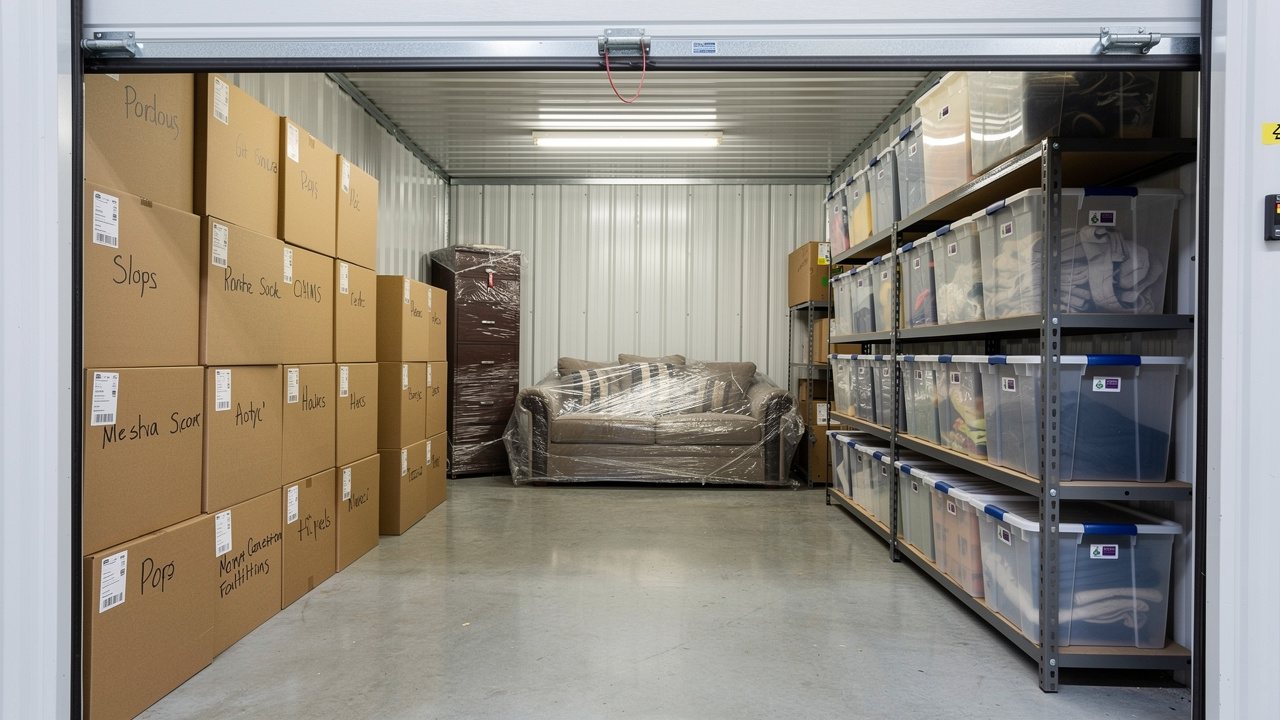
Self-storage fits into storage plans for downsizing as a short-term bridge, not a place where decisions go to hide forever. It helps most when you are between homes, staging a house for sale, or spreading a move across several weeks. According to the Self Storage Association, about one in ten American households already rent a unit, so you are not alone if extra space feels helpful.
The key is to use the unit with a clear plan:
- Measure furniture and box sizes so you choose a space that truly fits.
- Consider climate-controlled units for heirlooms, artwork, photos, and documents.
- Label every box by room and category, and leave aisles so you can reach what you store.
- Keep a written list of what is in the unit, so you do not buy duplicates by mistake.
- Decide in advance how long you will keep the unit and what has to happen before you close it out.
That way, the unit supports your move instead of becoming a forgotten second attic. Treat self-storage as a short-term helper, not as a permanent extra closet.
How Downsizing Insights Helps You Navigate The Process With Clarity
Downsizing Insights exists to sit beside you during this change, not to push you toward a decision before you are ready. Many people know they will move someday but feel frozen between worry, family expectations, and logistics. The Harvard Joint Center for Housing Studies notes that older-adult households continue to grow in number across the United States, which means more families face these same questions.
One gentle place to start is the Downsizing Readiness Self-Assessment. This short tool helps you look at emotional, financial, and practical pieces without any timer running. People use it to see whether they need time for conversations, for paperwork, or for sorting before they even call a mover. From there, Downsizing Insights offers step-by-step checklists that stretch across three to six months — similar in structure to resources like the Ultimate Downsizing Checklist — so storage plans for downsizing feel like a planned project, not a sudden storm.
City-specific guides highlight what downsizing can look like in places such as San Diego, New York, and San Jose, where housing styles and costs differ. Move management resources help you break the work into room-sized tasks and think through whether you want professional help or a family-led approach. The Questions To Ask A Downsizing Real Estate Specialist guide gives you language for interviewing agents so you can choose someone who respects the emotional side of this move. Through all of this, Downsizing Insights keeps the focus on creating a home that works for your next season of life.
Finding Your Footing After A Big Move

Finding your footing after a downsize comes from preparation, emotional honesty, and storage plans for downsizing that match your real life. When those three pieces line up, a smaller home can feel like relief instead of loss. You know where things live, which memories you protected, and what you chose to release.
In the first weeks, expect a mix of emotions. It can help to:
- Walk through each room and double-check that daily items are easy to reach.
- Set up one comfort corner with a favorite chair, lamp, and photo to make the new place feel familiar.
- Schedule small social plans, like coffee with a neighbor, so you do not retreat into boxes.
Downsizing Insights cannot promise a perfect move, yet it can offer steady tools, questions, and timelines so you do not have to figure everything out from scratch. Use what fits and ignore the rest. The goal is a lighter, more livable life in rooms that support who you are now.
Frequently Asked Questions
These answers touch common downsizing and storage questions. Treat them as starting points. Adjust them to your needs.
Question 1: How Far In Advance Should I Start Planning Storage For A Downsize?
Start planning storage three to six months before your move date. That window gives time to measure the new home, sort belongings without rushing, and compare costs for movers or self-storage. Extra time lowers stress and expense, and lets you spread decisions out instead of making them all in one exhausting weekend.
Question 2: What's The Best Way To Decide What Furniture To Keep When Moving To A Smaller Home?
Begin with the new floor plan and doorway sizes. Keep pieces that fit and also serve more than one role, such as a storage bed or table with drawers. Let go of furniture that matched the old layout. If you are unsure, tape out furniture footprints on the floor of your current home to see how tight the new rooms might feel.
Question 3: How Do I Help An Aging Parent Let Go Of Belongings Without Causing Distress?
Help an aging parent by listening first, not sorting first. Invite them to share stories before any item leaves the house. Create a memory box and discuss creative keepsakes, so they see that memories stay even when objects move on. Move at their pace, set short sessions with breaks, and avoid making decisions when anyone is tired or upset.
Question 4: Is Renting A Storage Unit A Good Idea When Downsizing?
A storage unit can support storage plans for downsizing when used as a short-term bridge. It gives space for staging, travel, or home repairs. Choose climate-controlled units for artwork, wood furniture, and documents, and avoid using storage to delay decisions. Set a clear end date and a reminder on your calendar to review what is inside.
Question 5: Where Do I Start If I Feel Completely Overwhelmed By The Idea Of Downsizing?
Begin with one tiny step. Take the Downsizing Insights Readiness Self-Assessment to see where you stand emotionally and practically, then choose a single drawer or shelf to sort. Feeling overwhelmed simply means the move matters, not that you are failing. Small wins add up, and each finished drawer builds confidence for the next one.
Take your next step forward
You've learned the essentials. Now get the tools to move with confidence and clarity.
.jpg)