
How to Host an Estate Sale: Step-by-Step Guide

Figuring out how to host an estate sale often lands on you just as life already feels heavy. You may be juggling memories, deadlines, and strong opinions from people you care about.
An estate sale is a home-wide event where most furnishings, décor, and household items are sold in an organized way. Learning how to host an estate sale mostly comes down to planning ahead, sorting clearly, and setting realistic prices. This guide walks through those stages—from early decisions through sale day and cleanup—so the work feels more manageable instead of overwhelming.
Next, take a closer look at what an estate sale involves and whether it fits your situation.
Key Takeaways
Before diving into the details, it helps to see the big picture. These points outline the main ideas this article covers. You can return to them whenever the process feels noisy or confusing.
An estate sale goes far beyond a weekend yard sale. Most of the home contents are priced and open to shoppers for one or more days. The event often ties to a major life change like downsizing, moving to a retirement community, or settling a loved one's affairs. The emotional layer usually matters just as much as the money raised.
Starting at least three months before your target sale date gives you breathing room. That window lets you sort carefully, invite family to choose keepsakes, and schedule any help you may need. Rushed sorting often leads to short tempers and poor decisions, while early work makes the final weeks calmer.
Running the sale yourself keeps every dollar of proceeds in your hands. It does call for many hours of planning, staging, and being present on sale days. Professional estate sale companies handle most of that work for a fee, usually a share of the gross proceeds. Knowing which path matches your time, health, and energy helps avoid regret later.
Leftover items are normal, even after a strong turnout. Donation pickups from groups like Goodwill or The Salvation Army can clear many of them. Local electronics recycling and hazardous drop-offs handle things charities cannot accept. Planning this step before shoppers arrive keeps the house from feeling stuck afterward.
Downsizing Insights offers tools and connections that fit your pace. The Downsizing Checklist and Readiness Self Assessment help you see where to start. Free real estate conversations and referrals to Senior Move Managers or estate sale specialists are available when you want another set of eyes—without pushing you toward a decision before you are ready.
What Is An Estate Sale And Is It The Right Choice For You?
An estate sale is a home-wide event where most furniture, décor, and personal belongings are tagged with prices and sold. The aim is to clear a large share of a household in a short, planned period while returning some cash to the family. People often hold estate sales when downsizing after children leave, moving to a retirement community, coping with divorce, or settling a parent's estate. This approach works best when many items need new homes at once, not just a few boxes of clutter.
Compared with a yard sale, an estate sale usually runs inside the house and covers most rooms. Shoppers walk through bedrooms, kitchen, garage, and living areas, seeing prices on nearly everything they touch. Because buyers expect higher quality items, serious collectors, resellers, and neighbors watch platforms like EstateSales.net and Facebook Marketplace for new events. That extra attention can turn long-kept china, tools, or vintage décor into real money.
Once you decide that this format fits your needs, the next choice is whether to run it yourself or hire help. Industry data shows that professional estate companies often charge commissions between thirty and sixty percent of gross sales, with higher rates for homes that need heavy sorting — and research on auction structure and real estate sale outcomes, such as this analysis of Auction structure and court-ordered sale proceedings published in the European Journal of Law and Economics, highlights how sale format and structure significantly influence final proceeds. In return, they handle staging, pricing, marketing, and staff on sale days, which can feel like a relief if you live out of town or have health limits. If you are still unsure how to host an estate sale, weigh control and time on one side and outside help and fees on the other.
How To Sort And Prepare Your Belongings Before The Sale

Sorting and preparing belongings before an estate sale means making clear decisions before any shoppers arrive. A simple way to start is to walk room to room and divide items into five groups:
- Sell
- Keep
- Give To Family
- Donate
- Discard
Use sticky notes, painter's tape, or labeled boxes so you see progress instead of one giant heap. Invite close relatives early to claim sentimental pieces and specific bequests, then remove those items from the house so they cannot accidentally end up on a card table.
Family emotions can run high around heirlooms, and clear agreements can reduce conflict. Research on estate settlement dynamics suggests that almost half of surveyed families notice some level of conflict during estate settlement, with assessments of effective dispute resolution pointing to clear, agreed-upon processes as the key mitigating factor — an insight explored further in this An Assessment of the study on estate proceedings. Creating a simple process—for example, each person taking turns choosing items or using a random draw—keeps decisions fair. Once choices are made, shift focus to safety by pulling out passports, financial papers, old tax returns, checkbooks, and any items with Social Security numbers.
Next, clear the house of things that must never be offered for sale. Prescription drugs, over-the-counter medications, cleaning chemicals, paint, and expired food should be removed or handled through safe programs. Proper estate planning resources like the FSFCS57 Estate Planning Basics guide from the University of Arkansas Extension also outline safe handling steps for household items that should never be sold, reinforcing why removing hazardous materials early is a standard best practice. Moving these items out early protects buyers and also protects you from later headaches.
As you go, try the only handle it once method shared by downsizing specialist Rachel Casto in Downsizing Insights webinars. When you pick something up, decide in that moment whether it stays, goes to family, or enters the sale, instead of building a giant "maybe" pile that lingers for months. Light cleaning, simple repairs, and grouping small items into logical sets often increase what buyers are willing to pay.
"The question of what you want to own is actually the question of how you want to live your life." — Marie Kondo, The Life-Changing Magic Of Tidying Up
If you are tempted to rent a storage unit for undecided pieces, remember that average units run about one hundred to three hundred dollars per month according to Move.org. That cost can quietly drain hundreds or even thousands of dollars each year, often for items that are rarely used again.
When Should You Start Preparing For An Estate Sale?
Whenever possible, begin preparation for an estate sale at least three months before your target date. That window allows time for sorting, family visits, appraisals, and light repairs. Downsizing Insights tools like the Readiness Self Assessment can help you sketch a step-by-step plan so the work feels organized instead of chaotic.
If you plan to sell the home through a traditional listing, buyers often expect to close within one to three months, so estate clearance needs to run alongside that schedule. Cash buyers sometimes close in as little as one to three weeks, which makes early planning even more important if your family chooses that route.
How To Price, Stage, And Market Your Estate Sale
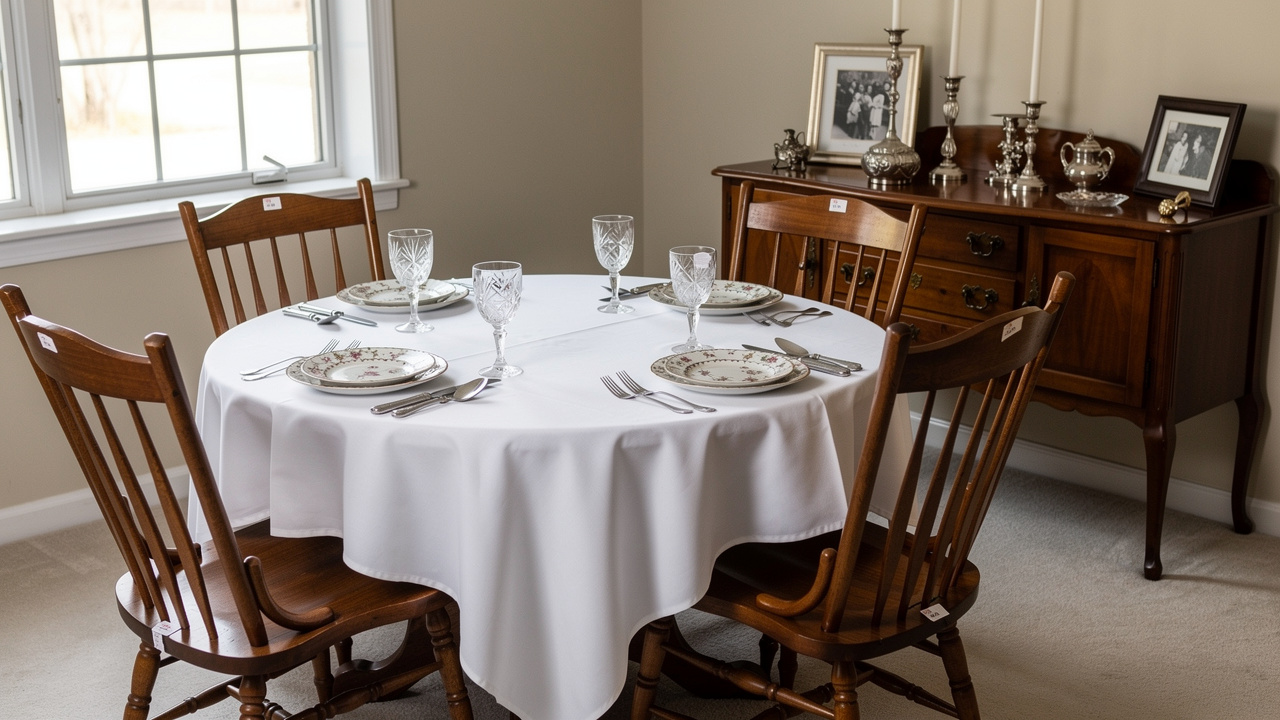
Pricing, staging, and marketing your estate sale work together to bring fair money and clear the house, especially when you are learning how to host an estate sale for the first time. For everyday items, start by checking recent sold listings on eBay, Facebook Marketplace, and Craigslist so you see what buyers actually paid instead of only asking prices. Look at local estate listings on EstateSales.net to get a feel for prices on couches, bedroom sets, or tools in your area. Remember that some items, such as formal china or bulky entertainment centers, often sell for far less than their original cost — research on consumer behavior and discount pricing published in an impact of discounts study confirms that buyer willingness to pay is heavily shaped by perceived value rather than original retail price.
For antiques, original art, sterling silver, or fine jewelry, it often pays to call in a professional appraiser. Groups such as the American Society of Appraisers, the International Society of Appraisers, and the Appraisers Association of America maintain directories of trained experts. Paying one to two hundred fifty dollars for an appraisal may sound steep, yet that amount can prevent you from letting a rare piece go for a fraction of its value. Ask any appraiser to give written notes so you can refer back when tags are printed.
Before shoppers arrive, build a simple spreadsheet or notebook list with each high-value item, its starting price, and the lowest offer you will accept. Having those numbers ready keeps you from making panicked choices when someone waves cash at you early on. Many families:
- Keep prices firm on the first day
- Offer modest discounts (for example, 25% off) on the second day
- Invite offers or deeper discounts near the end of the final day
That pattern trades a better chance at higher prices early for a nearly empty house by the close.
How the house looks shapes what buyers feel willing to pay. Keep beds made with linens that are for sale, set the dining table with dishes, and leave large furniture in bright rooms instead of pushing everything into a dark garage. List the sale on EstateSales.net, Facebook Marketplace, Craigslist, and Nextdoor, and add clear photos of your best items in natural light. Research from Pew Research Center shows that over eight in ten adults in the United States own a smartphone, so online listings and QR codes reach most shoppers. To protect privacy, many hosts share the exact street address only twenty-four hours before opening, then put bold directional signs at nearby intersections on the morning of the sale.
A few small habits can keep pricing and presentation steady across the house:
- Group lower-priced items by theme on tables, such as all cooking gadgets together or all holiday décor in one spot. Shoppers scan faster and buy more when they can see similar things at once.
- Place fragile or high-value pieces like jewelry, sterling flatware, or rare collectibles near the checkout table. Keeping them within sight of a helper lowers the risk of theft without making honest buyers feel watched.
- Have extension cords or outlet strips handy so people can test lamps, small appliances, and electronics. When buyers feel confident something works, they feel more comfortable paying your price.
What To Expect On Sale Days And How To Handle What Is Left After

Sale days for an estate event can feel busy, but a few prepared systems make them easier to manage once you act on your plan for how to host an estate sale. Set up a clear checkout station near the main exit with a small table, chairs, and space for buyers to line up. Give every helper a matching apron, sticker, or bright shirt so visitors know who to approach with questions. Keep a secure cash box with plenty of one-, five-, ten-, and twenty-dollar bills along with coins for change.
Modern buyers often arrive with little or no cash, so being flexible with payment methods protects your bottom line. Before the sale, set up and test:
- Venmo, Zelle, Cash App, or Apple Pay
- A mobile card reader such as Square connected to a smartphone or tablet
Assign one trusted person to handle payments, record high-value sales, and make any needed trip to the bank for change.
Plan in advance how you want prices to change over the course of the sale. Many hosts keep tags firm on the first day so early arrivals pay full price for the best items. On the second day you might post signs for a modest discount, then offer half off or open bargaining in the last hours. Sticking to a simple plan helps you say yes or no quickly when someone asks for a lower price.
Because many strangers will move through your home, basic security steps matter. Lock rooms that hold private items, block off unsafe areas like steep basements, and ask at least one helper to float between rooms as a friendly extra set of eyes. Stand near the front door during busy stretches so you can greet people, watch what leaves, and manage the flow in and out. If the crowd grows large, you can even limit entry to a set number of shoppers inside at one time until traffic slows.
When the last buyer leaves, you will still have leftovers, and that is normal. Schedule donation pickups in advance from groups like Goodwill, The Salvation Army, or local charities so they arrive within a day or two. Old televisions, computers, and other electronics often need special handling, so check your city website or the Environmental Protection Agency for nearby electronics drop-offs. For truly unsellable or broken items, a junk removal service or small dumpster rental may finish the job and leave the home clear for real estate photos or move-out.
The Bottom Line You Do Not Have To Figure This Out Alone

Hosting an estate sale is a big task, and you do not have to carry it alone. You now have a clear outline: understand your options, sort and prepare, price and stage, run the sale days, and clear what remains. Taking those stages one at a time keeps the process from swallowing your calendar or your energy. As you move, give yourself permission to pause when emotions rise, then return with your plan in hand.
Downsizing Insights exists to steady that plan without steering your choices. Resources like the Downsizing Checklist, city-specific downsizing guides, and webinars with senior-focused real estate experts help you see the big picture while still acting on small next steps. If and when you want more help, the platform can connect you with pre-vetted estate sale companies, Senior Move Managers, and real estate advisors who respect your timing and priorities.
Frequently Asked Questions
These common questions about estate sales give quick answers you can read on their own. You can still return to the longer sections for more detail whenever you feel ready.
Question: How much does it cost to hire a professional estate sale company?
You can expect a professional estate sale company to keep roughly thirty to sixty percent of gross sales as commission. Fees often rise when the house or items need extensive sorting or cleaning. Weigh that cost against the time, energy, and stress you would spend running the sale yourself.
Question: Do I have to pay taxes on money made from an estate sale?
Most people do not owe income tax on estate sale proceeds because household goods usually sell for less than their original purchase price, which means they are sold at a loss. If a rare item sells for more than it originally cost, the gain may count as taxable capital gains, so a conversation with a Certified Public Accountant is wise.
Question: What should I do with items that don't sell?
Plan on donating most unsold yet usable items to groups such as Goodwill, The Salvation Army, or local shelters. Many will schedule a pickup if you call ahead. Electronics, chemicals, and old paint usually need recycling or hazardous waste programs, and junk haulers can take what is left.
Question: Can I host an estate sale in a home governed by an HOA?
You can often host an estate sale in an HOA neighborhood, but you must follow its rules. Call the HOA office and city hall well in advance to check permit needs, sign placement rules, and parking limits so you avoid fines or last-minute surprises.
Question: How is an estate sale different from a yard sale or garage sale?
An estate sale usually clears most or all of a home's contents, while a yard or garage sale covers a smaller selection. Estate events are organized room by room, often with helpers or professionals, and draw collectors who expect clear prices, appealing staging, and fixed hours.
Take your next step forward
You've learned the essentials. Now get the tools to move with confidence and clarity.
.jpg)