
Stress Management for Caregivers: A Practical Guide

Introduction
If you care for an aging parent, a spouse with health problems, or a loved one who must move after many years in one home, the weight of that role can feel crushing on some days. The phone and the requests never really stop. There is always another appointment, another form, another hard conversation. You love this person deeply, yet the worry, pressure, and constant decisions can leave you exhausted and unsure where your own life went.
One in three adults in the United States now serves as a family caregiver, often without training. We step into this role because we care, not because we planned for it. Without steady stress management for caregivers, the strain can show up as headaches, poor sleep, high blood pressure, and a kind of tired no weekend nap can fix.
At Downsizing Insights, we sit with caregivers every day who whisper that they feel guilty, angry, or close to the edge. We know that caring for someone can be one of the most meaningful parts of life and also one of the hardest. In this guide, we walk through warning signs of stress, simple self-care habits, ways to ask for real help, and how structured tools can steady you during major changes like downsizing.
As one caregiver told us, “I love my mom, but some days I feel like I disappeared.”
You are not alone if those words feel familiar.
Key Takeaways
Here is a quick picture. These points hold the heart of this guide. Small steps from each one can guard you and your loved one.
- Caregiver stress is common and can harm your health. Early care for yourself keeps you safer.
- Recognizing warning signs is a first act of care. You notice what your body says, then you can choose support.
- Stress management for caregivers grows through small steps. Short breaks and shared tasks count. No one is meant to do this alone.
Recognizing The Warning Signs Of Caregiver Stress

When we care for someone, our attention races toward their medicine and their next appointment. Our bodies slide to the bottom of the list. Many caregivers tell us they do not notice how worn down they feel until they snap at someone or cry in the car, then wonder why they ignored their pain.
Part of managing caregiver stress is paying attention to trouble early on. Warning signs often start in your emotions before they show up in lab results. Doctors know that caregivers face higher risk for depression and heart problems. If any pattern below feels familiar, treat it as information, not shame.
- You feel constantly on edge and cannot relax even when your loved one rests. Worry runs in the back of your mind all day. Joy from hobbies or small moments feels far away.
- Sadness or hopeless thoughts show up more days than not. You may cry easily or feel numb instead. Things that once gave comfort now seem pointless or heavy.
- Little annoyances spark sharp anger. You snap at family, nurses, or drivers, then feel guilty afterward. The quick jump from fine to furious scares you.
- You pull back from friends and activities. Calls go to voicemail and invitations feel like more weight on your shoulders. Loneliness settles in even when other people sit nearby.
- Your body feels tired even after rest. Headaches, stomach issues, or body aches stick around. Health problems return or get worse.
- Sleep and food habits swing to extremes. You may eat on the run or forget meals. You skip your own checkups or rely on alcohol or extra pills to calm down.
“You can’t pour from an empty cup” is a saying many caregivers repeat to each other, and it holds a lot of truth.
If several of these signs sound familiar, that is a clear nudge to talk with your doctor, a counselor, or a trusted friend about how you are doing.
Essential Self-Care Strategies To Protect Your Well-Being

Self-care can sound like a soft idea, something extra that belongs after the real work is done. As caregivers, we often shrug when someone tells us to rest. Yet our bodies and minds are the main tools we bring to this role. When we run them past empty, people pay a price. For stress management for caregivers, your own health is basic maintenance, not a luxury.
First we can guard the basics that keep the body steady. Simple habits with sleep, food, movement, and short daily lists give you more strength for each hard day.
- Aim for seven to nine hours of sleep most nights. Create a simple pattern that tells your brain it is time to wind down, such as quiet reading. If sleep keeps slipping away, let your doctor know.
- Feed your body with steady fuel, not only quick snacks. Try for color from fruits and vegetables, some protein, and water within reach. Even one glass of water and a piece of fruit between tasks can steady your energy.
- Move in ways that fit your season of life and schedule. A short walk, gentle stretches while coffee brews, or a few minutes in the garden still count. Keep your own checkups on the calendar so your joints, heart, and mind stay strong enough for this work.
As one hospice nurse told a caregiver group, “Rest is part of the job, not a prize you earn after the job is done.”
Stress also lives in thoughts and feelings that need gentle care.
- Practice short stress tools you can use anywhere. Slow breathing or mindful moments in the car can steady you. Free phone apps can guide simple mindfulness exercises.
- Protect at least a small window each week that belongs only to you. Read, make music, or sip coffee on the porch. This time reminds you that you are more than your role.
- Give your hardest feelings a safe path out. A journal, a trusted friend, or a support group can hold anger, grief, and guilt. You may also set limits and still be a loving caregiver.
Small, steady acts of self-care create a buffer between you and burnout. You do not have to change everything at once; even one new habit matters.
How To Ask For Help And Build A Support Network

For many caregivers, asking for help may be the hardest topic. Many of us grew up believing strong people handle everything alone and worry that a request will burden friends or show we are not coping well. Yet no one person can manage care, housework, money, and moves without backup. Honest requests are not signs of failure; they are how you keep this role going.
- Keep a list of tasks a person could take. Rides to appointments, grocery trips, brief visits, and simple meals are common needs. When someone offers to help, check your list and choose one thing.
- Practice a ready answer when help appears. You might say that taking over one errand this week or sitting with your parent one afternoon would help a lot. A short script and a first ask make the words come easier.
- If requests feel too intense, send them by text or email. Written words give the other person space to consider and respond. They also give you a record of who has offered what.
A line we hear often from overwhelmed caregivers is, “People say, ‘Let me know if you need anything,’ and I never know what to say.” Clear, specific requests change that.
A wider web of support beyond close family can lighten your load and protect you from caregiver burnout.
- Stay in touch with people who lift you up. Regular calls, walks, or coffee visits keep you from feeling alone. Caregiver support groups, in person or online, add voices that understand.
- Explore community resources near you. Local Area Agency on Aging offices, the Eldercare Locator phone line, and faith groups often connect families with meals, rides, and home help.
- Consider respite care when you need a real break. In home aides, adult day centers, or short stays in care homes can watch your loved one safely. If you work outside the home, ask human resources about leave options under the federal FMLA program.
Building a support network takes practice, but each “yes” you receive gives your body and mind room to recover.
How Downsizing Insights Helps Caregivers Navigate Major Transitions

When a loved one must leave a home for a smaller place or care community, stress often spikes. You may already juggle medicines, rides, and daily help, then find boxes and real estate questions piled on top until it feels heavy. We created Downsizing Insights after we watched families hit that point. We now act as a downsizing companion so you do not have to plan every step alone.
Our tools aim to turn a hazy project into clear steps. That kind of structure supports stress management for caregivers who already feel pulled in many directions. Instead of facing a house full of history and asking where to begin, you see what comes first.
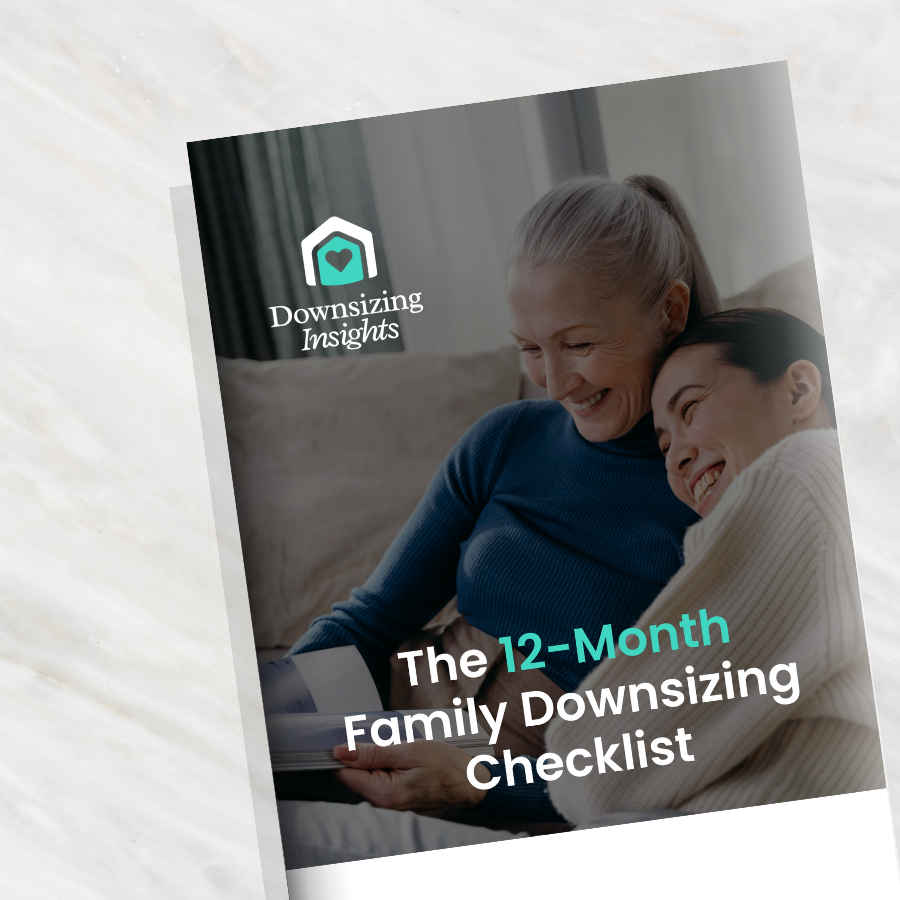
- The twelve month downsizing checklist breaks the move into monthly chunks. Each page shows a list so you can mark progress without rushing.
- Readiness assessments help your family sort what matters. We look at safety, space, and budget together. Shared facts lower tension during hard talks.
- City guides walk you through each step. We point to housing options, services, and contacts in plain language. You spend less time guessing.
- Organized frameworks keep documents, timelines, and choices in one place. You know where to find key papers. Less chaos means fewer late night worries.
- Local experts stand beside you. We connect you with real estate agents, move managers, and other pros who understand facts and feelings. Trusted guides make hard choices lighter.
One family told us, “Once we had a checklist and timeline from Downsizing Insights, the move stopped feeling impossible and started feeling doable.”
We help turn downsizing from a source of panic into a clear step by step plan. That way you can spend more energy on your loved one and less on the boxes.
Conclusion

Caregiving sits among the most important roles a person can hold. It pulls on the heart, the schedule, and the body all at once. For this role to last, your own well being cannot sit at the bottom of the list. Stress management for caregivers is not selfish care or a luxury. It is the set of steady habits and supports that let you show up with a full heart instead of a hollow shell.
In this guide we walked through warning signs that ask for attention, daily self-care that protects your body and mind, and ways to weave a real support network around you. We also shared how Downsizing Insights offers checklists, assessments, guides, and experts when a move or major change lands on your plate. You do not need every answer before you start. A small step, one honest ask, or one printed checklist can start to ease the load today.
FAQs
Question 1 What Are The Most Common Signs Of Caregiver Burnout?
Caregiver burnout feels different from a hard week. Common signs include fatigue, low mood, and irritation over small things. You may pull away from friends, skip your own appointments, or lean on alcohol or pills to numb out. Postponing help makes it worse, so treat these signs as a clear signal to reach out.
Question 2 How Can I Manage Caregiver Stress When I Have No Time For Myself?
Time pressure is real for caregivers. Instead of waiting for a day off, look for tiny spaces. Five slow breaths, a short stretch, or ten minutes outside can calm your system. Ask one person to remove one task from your week. Small steps still count and often lead to bigger changes.
Question 3 Is It Normal To Feel Resentment Or Guilt As A Caregiver?
Yes, those feelings are common. You can love someone and still resent sleep, money, or freedom you gave up. Guilt may follow and tell you that you should do more. Instead of judging yourself, notice the feeling and share it in a journal, a support group, or a therapist’s office.
Question 4 How Does Downsizing Insights Support Caregivers Specifically?
Downsizing Insights focuses on the parts of a move that often keep caregivers up at night. Our downsizing checklist, readiness assessments, city guides, and planning frameworks give you a clear path instead of guesswork. We also connect you with kind local experts. When the plan feels lighter, you can focus more on your loved one.
Take your next step forward
You've learned the essentials. Now get the tools to move with confidence and clarity.
.jpg)