
What Is Rightsizing for Seniors? A Simple Guide

Introduction
Imagine standing in a house that once buzzed with kids, pets, and school schedules. Closets are full, the garage is packed, yet whole rooms sit empty most days.
For many older adults, the word downsizing brings a knot to the stomach. It can sound like giving things up, leaving memories behind, or being pushed into a choice by money or health. When loved ones suggest it might be time to move, it is easy to feel defensive or sad instead of hopeful.
We take a different view. When we talk about rightsizing for seniors, we mean a home and a plan that fit who someone is now and who they hope to be. Rightsizing focuses on comfort, safety, and freedom rather than loss. At Downsizing Insights, we walk with families through the emotional and practical parts of this change so they can move forward with calm and confidence. In this guide we share clear steps, signs to notice, and simple ways to begin.
Key Takeaways
Rightsizing means creating a home that fits current needs, not just moving into less space. It shifts focus from what is leaving to what daily life can gain.
Certain signs point toward rightsizing, such as heavy home upkeep, unused rooms, growing clutter, and worries about stairs and safety. Planning three to six months ahead makes choices calmer and more thoughtful.
Nobody has to handle this process alone. Downsizing Insights offers readiness tools, checklists, city guides, and local experts. With a clear plan, the work feels smaller and more manageable.
What Is Rightsizing For Seniors — And How Is It Different From Downsizing?

When we answer the question what is rightsizing for seniors, we start with a simple idea: the home should match the life someone lives now, not the life they had twenty years ago. Rightsizing is a process of lining up home size, layout, and belongings with current health, energy, and budget. It is less about square feet and more about how easy each day feels.
Downsizing often sounds very different. It is usually tied to finances, a health scare, or a need to move fast. In that picture, the move feels forced and the main thought is what will be missed. Rightsizing, by contrast, is chosen on purpose, with time to plan, and centers on what a new setup can add to daily life.
Rightsizing for seniors can show up in several ways, depending on what matters most now. Some people are eager to move, while others want to stay and make the home easier to manage. The right choice depends on health, finances, and personal preference, not what neighbors or relatives are doing.
Some older adults move to a smaller house, condo, or apartment that is easier to clean and pay for. Often this new place has fewer steps and a single-level layout, so daily tasks take less time and feel safer.
Others choose a home that brings them closer to children, grandchildren, or friends, or they move into a senior living community. In these cases the goal is to gain connection, not to give something up.
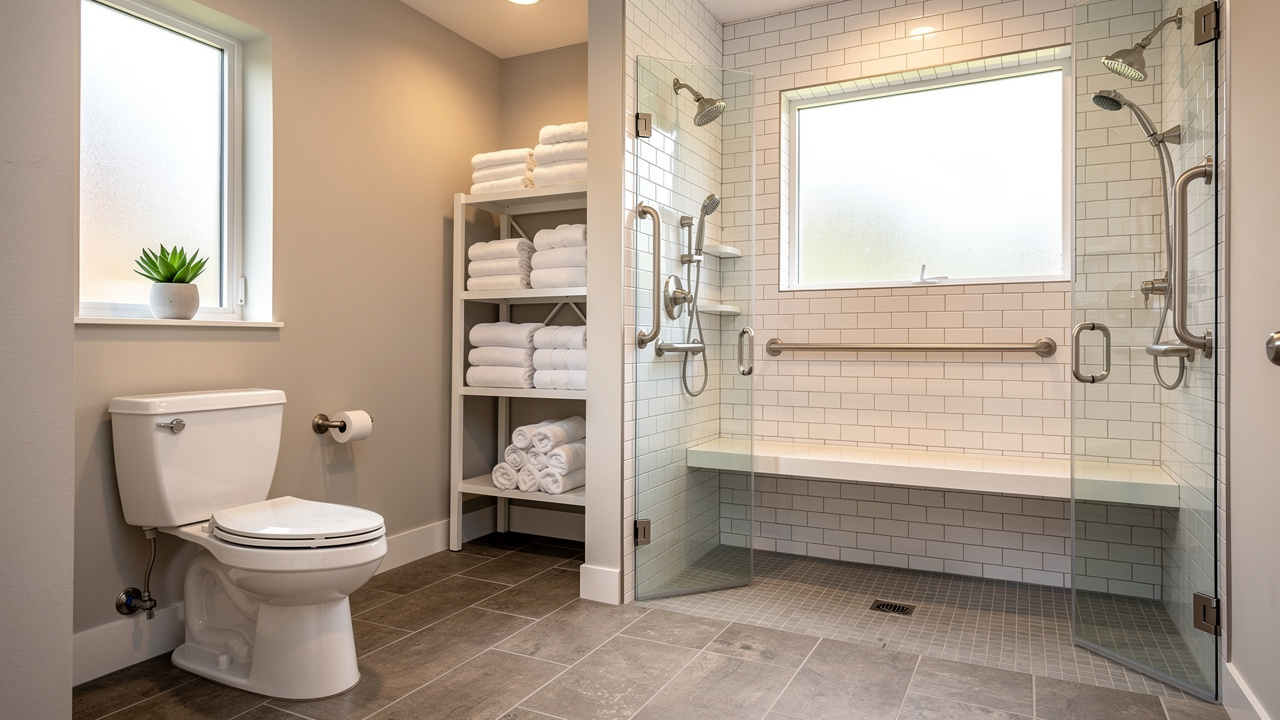
Many seniors stay in the house they love and reshape it for aging in place. That can mean adding grab bars, improving lighting, or turning a main-floor room into a bedroom. The same house begins to feel more open, safe, and simple to live in.
No matter which path someone chooses, rightsizing keeps them in the driver’s seat. The aim is a life that feels calmer, not smaller.
How Do I Know If It’s Time To Rightsize?
One of the hardest parts of this decision is knowing when to start. There is no set age; for some people the need shows up slowly through aches after yard work or a sense of being tied to the house, while for others it appears in a single event, such as a fall or the loss of a spouse.
Certain signs tend to show up again and again. They do not mean a move must happen right away, but they suggest that the current setup might not fit as well as it once did.
Home upkeep has started to feel heavy instead of satisfying. Yard work, cleaning, and repairs take more time, energy, or money than they used to.
Whole rooms now sit empty, used only for storage or rare guests, while surfaces fill with papers, boxes, and projects. Those empty and crowded areas still need heating, cooling, and cleaning.
Stairs, loose rugs, and narrow hallways cause worry, especially when carrying laundry or groceries — and proactively addressing these hazards aligns with guidance on Right-Sizing Testing Before Elective procedures, which emphasizes thoughtful, preventive planning for older adults rather than waiting for a crisis to prompt action. Bathrooms may lack grab bars, raised toilets, or non-slip floors. These details raise fall risk even for someone who still feels steady.
Retirement, a health diagnosis, or the loss of a spouse often changes what feels right at home. Many people also notice a wish to own less and spend more time on family, travel, or hobbies.
Some prefer to make choices while they feel strong, picking a new home or simplifying the current one before a crisis forces quick decisions. This early planning is one of the clearest signs that rightsizing might be wise.
If several of these signs sound familiar, it does not mean a move must happen tomorrow. It simply means the current home deserves a fresh look. Downsizing Insights offers a gentle Readiness Self-Assessment that can help sort through feelings and facts at a comfortable pace.
The Real Benefits Of Rightsizing Your Life

It is easy to focus on what might be given up during a move or big clean-out. Yet when we look at the families we serve, the gains from rightsizing are real. A home that fits current needs brings financial breathing room, lighter emotions, stronger relationships, and better physical comfort.
Many people see the change first in their bank account. A smaller home often means lower taxes, utility bills, insurance costs, and repair bills. Selling a long-time house can free equity that supports retirement plans, medical care, or long wished-for trips.
On the emotional side, rightsizing often brings a deep sigh of relief. Letting go of extra rooms, storage units, and overflowing closets lightens mental load. People tell us they sleep better when they are no longer worried about big repairs or what will happen to all their stuff.
Socially, rightsizing can draw people closer to the ones they love. Moving near adult children, grandchildren, or close friends makes shared meals simple. Others choose a senior living community or active neighborhood where events and clubs are built into daily life. In both cases, isolation shrinks and connection grows.
Physical comfort may be the quietest benefit, and emerging research on Nearly Half of Older adults showing improved cognition or mobility over 12 years suggests that supportive environments and positive outlooks can meaningfully shape how people age. A rightsized home can remove stairs, heavy yard work, and long walks from the bedroom to the bathroom. Features such as walk-in showers, better lighting, and wider doorways lower the risk of falls.
“The secret of happiness is not found in seeking more, but in developing the capacity to enjoy less.”
— Socrates
Through our guides and tools, we at Downsizing Insights help families plan for all these areas at once. The goal is not only a smaller space, but a daily life that feels safer, freer, and more joyful.
How To Start The Rightsizing Process With Confidence

Beginning can feel like the hardest part, especially when a home holds many decades of memories. We have seen again and again that starting early makes everything easier. Giving yourself three to six months before a possible move allows time to think, talk with family, and act without panic.
Picture the next five to ten years. Think about health, interests, and family, and then imagine what kind of home supports that picture. Clear goals will guide every later choice.
Use a gentle check-in tool. Our Downsizing Insights Readiness Self-Assessment asks simple questions about safety, stress, and future wishes. It can highlight which parts of the home need attention first.
Create a realistic timeline and checklist. Look at family events and then choose weeks that are a good fit for sorting. Our Downsizing Checklist breaks the work into small pieces, from early decluttering to calling movers.
Tackle clutter one room at a time. Set up four boxes labeled keep, gift to family, donate or sell, and discard. When you pick up an item, make a choice right away and place it in one box.
Bring in support. Family members can share stories, claim special items, and provide both muscle and laughter. Through Downsizing Insights, we also connect people with senior-focused real estate agents and other local partners. Having a team turns a heavy task into a series of manageable days.
Our online city guides for places across the United States walk through these steps in detail, tuned to local markets and housing options. With a plan, partners, and enough time, rightsizing begins to feel less like a mountain and more like a steady walk on level ground.
Conclusion
Rightsizing is not about stripping life down or erasing the past. It is about creating a home that supports who someone is right now and who they hope to be. What matters most is that each day feels safer, lighter, and more in line with personal goals.
We know this choice carries real feelings, memories, and sometimes fear. With steady support, a clear plan, and the right partners, it can also bring deep relief. The next step can be simple: try our Readiness Self-Assessment or download a checklist. At Downsizing Insights, we are ready to walk beside families at every stage of this process.
FAQs
As we talk with seniors and their families, the same questions come up often. Straightforward answers can make the path ahead feel less confusing.
Do I Have To Move To Rightsize?
No, a move is not required. Rightsizing simply means matching your living space to your life now. For some, that means remodeling for better safety, such as adding grab bars or a ramp. For others it means decluttering so the same home feels easier to use and maintain.
How Long Does The Rightsizing Process Take?
The timeline depends on the size of the home, health, and how much has been collected. For many families, three to six months works well. Very full homes may take close to a year. Starting sooner than you think you need helps choices feel measured instead of rushed.
What Is The Difference Between Rightsizing And Downsizing?
Downsizing usually means cutting back because of pressure, such as money or health, and often feels like giving things up. Rightsizing is a planned choice to find a home that fits just right. The focus moves from loss to opportunity and comfort. People decide based on their goals, not only on need.
At What Age Should You Rightsize?
There is no single correct age. Some people look at what rightsizing for seniors means soon after retirement so they can enjoy a new home while very active. Others wait until health, stairs, or costs begin to bother them. The best time is when you feel ready and can act without emergency pressure.
Take your next step forward
You've learned the essentials. Now get the tools to move with confidence and clarity.
.jpg)