
Tips for Decluttering a Large House Without Overwhelm
Introduction
Facing rooms, closets, and a garage packed with decades of belongings can feel like too much to handle. Many people start looking for tips for decluttering a large house and end up feeling even more stuck. The size of the job alone can make it hard to take the very first step.
That is not a character flaw. A big home holds years of memories, family stories, and a sense of identity, so pressure to rush can make everything feel heavier. Working at your own pace is not a compromise; for most empty nesters and retirees, it is the only way this process really works.
This guide explains why a large house feels so overwhelming, where to start when everything seems urgent, how to handle sentimental items with care, and how to keep clutter from returning. You will also see how Downsizing Insights supports a slower, steadier approach through tools like its 12-Month Downsizing Checklist.
If your goal is to make progress without burning out, read one small section at a time and let each idea sink in before you move on.
Key Takeaways
Starting slow with realistic tips for decluttering a large house often leads to better decisions and less regret. The ideas below give a quick map of what follows.
Start small and finish something. Working by room, tiny space, or category keeps the task from feeling endless. Clearing one linen closet, guest bath, or drawer turns vague plans into a visible win and builds quiet confidence for the next step.
Expect emotions and plan for them. Feeling sad, guilty, or conflicted is normal, not a sign that something is wrong with you. When memories are tied to objects, even simple choices can feel loaded. Saying that out loud—to yourself or someone you trust—often loosens the knot just enough to keep going.
Save sentimental items for later. Photos, letters, and heirlooms deserve extra time and care, not quick sorting. Leaving them for last means you have already practiced decision making on easier things. By the time you reach deeply personal items, your instincts feel steadier.
Use a simple written timeline. A short plan on paper reduces chaos without adding harsh rules. Spreading tasks across months instead of days leaves room for rest and family conversations. Downsizing Insights builds this reality into its 12-Month Downsizing Checklist.
Move items out of the house quickly. Clear exit plans for donations, recycling, and sales protect your progress from second guessing. When bags and boxes leave soon after you fill them, each load lightens both your space and your mind.
“Have nothing in your house that you do not know to be useful, or believe to be beautiful.” — William Morris
Why Decluttering a Large House Feels So Overwhelming - And What Actually Helps

Decluttering a large house feels overwhelming because you are sorting through your own history, not just extra objects. Every room holds pieces of past roles, routines, and seasons of family life. No wonder it can feel like too much.
Over decades of birthdays, school years, hobbies, and holidays, belongings pile up. A basement shelf might hold preschool art next to college boxes and grandkids' toys. According to AARP, many adults over 50 say their home is both their biggest asset and the center of family memories, so letting things go can feel like letting go of part of themselves.
The physical size adds another layer. A four-bedroom house with an attic, garage, and maybe a storage unit contains far more than most people can handle in one burst of energy. Research from UCLA's Center on Everyday Lives of Families links crowded, overstuffed homes with higher stress levels, especially for women, which helps explain why even opening a closet door can make your shoulders tense.
The most helpful shift is not a new organizing trick; it is a new expectation. When you accept that a full declutter might take months, not one long weekend, starting feels less like stepping into a race. Downsizing Insights designs its 12-Month Downsizing Checklist around this slower pace, so no single week has to carry the whole project.
It also helps to plan on visiting the same space more than once. Many people find that after a few rounds in easier areas, they walk back into earlier rooms and suddenly see more they are ready to release. Progress in a large home often looks like slow circles, not a single perfect pass.
Where to Start When Everything Feels Equally Urgent
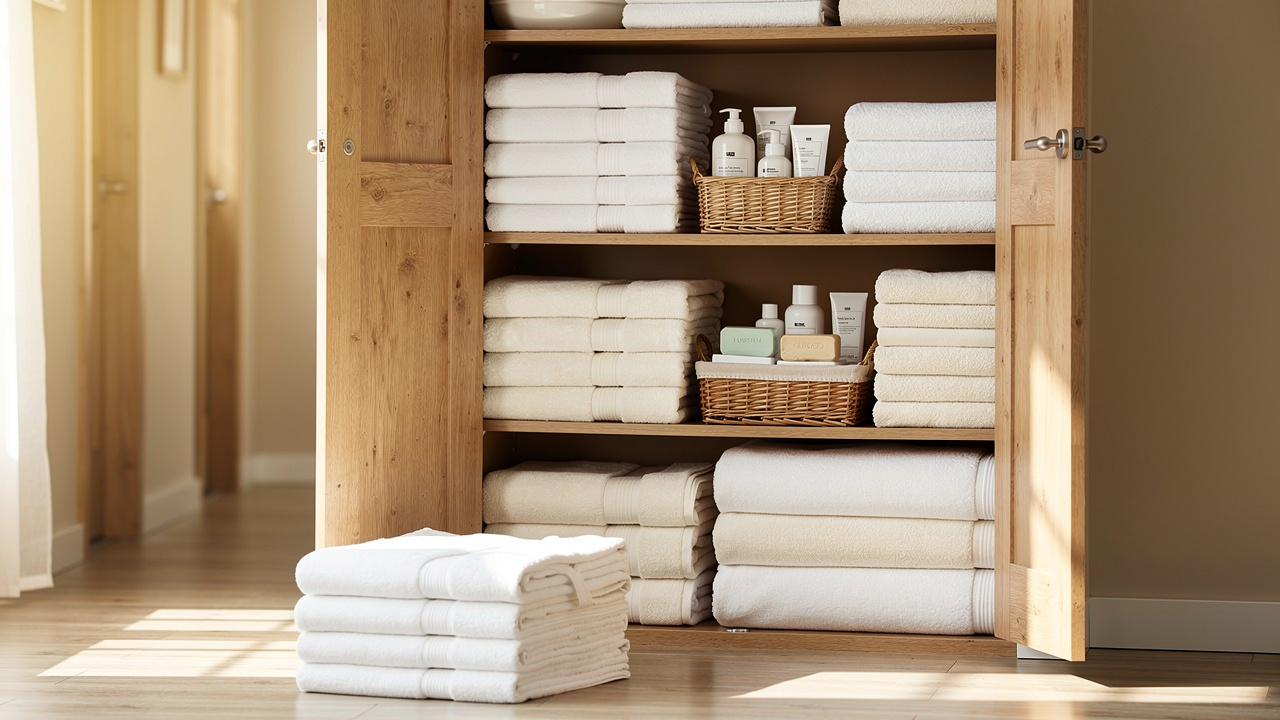
When every corner of a large house feels urgent, the best way to start is to pick one easy win instead of chasing everything at once. Choose a small, low-emotion area you can finish in a short sitting. That clear result makes the next space feel less impossible.
Good early spots include:
- A linen closet
- A guest bathroom
- One kitchen drawer you do not use much
These areas matter to daily life, but they rarely hold the deepest memories. Clearing them out can also improve safety; the National Institute on Aging notes that removing clutter from walkways and storage areas helps lower fall risk for older adults.
From there, two main approaches tend to work well in a larger house. The right choice depends on how your brain likes to make decisions.
Decluttering by category. You gather all items of one type before choosing what stays. The KonMari Method from Marie Kondo, described by KonMari Media, suggests starting with clothes, then books, papers, and mixed items, and leaving sentimental things for last. Seeing every coat, every mixing bowl, or every towel in one place helps you notice duplicates and pick favorites with less effort.
The small-space method. You start with one contained area that you can empty in a few minutes. For example, you might clear one nightstand or the cabinet under a sink, wipe it out, and then put back only what you truly use. Anything that does not earn a spot back in that space becomes a clear candidate for donation or trash.
Downsizing Insights uses this same idea in its room-by-room process guides, walking through one manageable space at a time instead of pushing whole-house marathons. Pick one door, one drawer, or one category, and let that be enough for today.
How to Handle Sentimental Items Without Rushing or Regretting

Handling sentimental items without rushing or regret usually works best when those items come last. By the time you reach photo albums, letters, or a late spouse's clothing, you have already practiced hundreds of smaller choices. Your sense of what supports your current life becomes clearer.
Sentimental belongings feel heavy because they hold stories. A cracked mug might recall a honeymoon breakfast; a stack of school art might recall a child at seven. AARP notes that many older adults tie personal history tightly to physical objects, which means fast pressure to declutter can land as pressure to forget.
To keep the emotional meaning while reducing the physical volume, try a few simple habits:
Curate instead of keeping everything. One small memory box per child or per phase of life is easier to enjoy than three large tubs you never open. When you choose the ten most meaningful cards or the three most loved baby outfits, you are honoring those moments instead of hiding them in storage.
Create digital archives. A basic scanner or smartphone lets you save artwork, letters, recipes, and photos without filling whole closets. The Library of Congress shares basic tips on preserving digital copies, which you can back up for extra peace of mind.
Share the story with the item. If you give a quilt, a set of dishes, or a piece of jewelry to a child or grandchild, tell or write the story that goes with it. That way the meaning does not stay locked inside your own memory or the object itself.
Releasing an object does not erase what it meant. For moments when choices feel too heavy to make alone, Downsizing Insights' Readiness Self-Assessment and Get Support Resource Hub can help you pause, name what feels hard, and decide on a pace that respects both your heart and your timeline.
“Less is more.” — Ludwig Mies van der Rohe
How to Keep Clutter from Coming Back After You Have Done the Work
Keeping clutter from creeping back into a large house has more to do with what enters than with how well you tidy. Once you have cleared space, the goal shifts from big cleanouts to small, steady habits that protect what you already achieved.
One simple habit is the one-in, one-out rule:
- When a new item comes into the home, another item leaves through donation, gift, or recycling.
- If you are still shrinking your belongings, one-in, two-out works even better.
Some estimates reported by the Los Angeles Times suggest that the average American home holds around 300,000 items — a reality that household clutter control research has documented extensively — which shows how quickly things can pile up when nothing goes out.
Another quiet protector of your progress is becoming more careful about free items and impulse purchases. Marketing emails, glossy catalogs, and social media posts all encourage new buying. Research summarized by the American Psychological Association links this constant stream of product images with stronger urges to shop, even when people do not actually need anything. Unsubscribing from emails and turning off sale alerts removes many of those triggers.
Simple systems inside the home also support your future self:
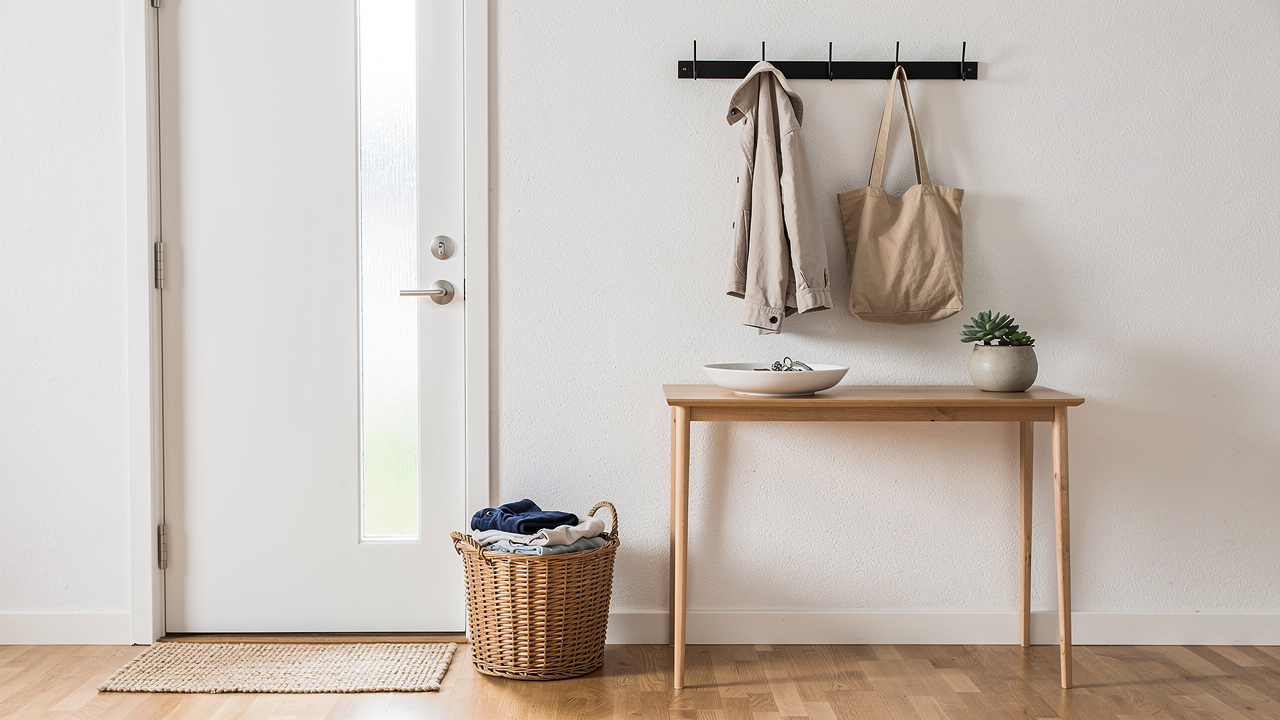
Create a landing place near the main door. A small table, hook rail, or basket keeps keys, mail, and everyday items from scattering. When everyone in the household knows where things go, you spend less time searching and less time clearing piles from every surface.
Keep a visible donation box. A box in a laundry room or closet makes it easy to let go of things the moment you realize you do not use them. When the box fills, it goes straight to the car for drop-off, which keeps bags from gathering dust in hallways or garages.
Use a short end-of-day reset. Five or ten minutes each evening to clear counters and put stray items back keeps small messes from becoming full weekend projects and makes mornings feel calmer.
If clutter starts creeping back despite your best efforts, Downsizing Insights' Get Support Resource Hub and room-by-room guides can help you review your systems and adjust them, instead of slipping into self-blame. Small course corrections protect the change you already worked for.
The First Step Is Simpler Than You Think
The first step toward decluttering a large house at your own pace is smaller than most people expect. You do not need a full weekend, a rented dumpster, or a perfect plan to begin. You only need one clear, limited action.
That might be:
- Choosing one drawer, one shelf, or one corner
- Setting a 20-minute timer
- Printing Downsizing Insights' free 12-Month Downsizing Checklist
- Answering the questions in its Readiness Self-Assessment so you know what feels realistic right now
From there, each small step teaches you what the next step should be.
Conclusion
Decluttering a large house slowly is not a weaker version of the process; it is the version most likely to last. When you respect the emotional weight of your belongings, break the work into small spaces, and set a kind timeline, progress starts to feel possible. Simple systems then keep new clutter from slipping back in.
Downsizing Insights exists to support that gentler pace, not to rush you. Its checklists, guides, and connections to real estate and move support are there whenever you decide you want another steady hand.
Frequently Asked Questions
Question: How long does it realistically take to declutter a large house?
Answer: Most large homes take several months to a full year of steady work. Short, regular sessions usually lead to better choices than frantic marathons. Downsizing Insights' 12-Month Downsizing Checklist is built around this slower, realistic rhythm.
Question: Should I declutter before or after listing my home for sale?
Answer: Starting decluttering before listing almost always helps your home show better and feel calmer. The National Association of Realtors notes that agents routinely recommend decluttering as a top step. Early real estate conversations through Downsizing Insights can help you decide on the best order for your own move.
Question: What do I do with items my adult children left behind?
Answer: Set a clear, kind deadline for them to collect what matters most, and put that in writing. After that date, you can donate or discard what remains without guilt. This lets you keep moving instead of storing other people’s decisions forever.
Question: Is it okay to ask for help when decluttering a large home?
Answer: Asking for help is often one of the smartest things you can do. A calm presence from a friend, family member, or professional organizer keeps you company and lowers emotional strain. Downsizing Insights also connects families with move management and senior-focused real estate support when the project feels too big to carry alone.
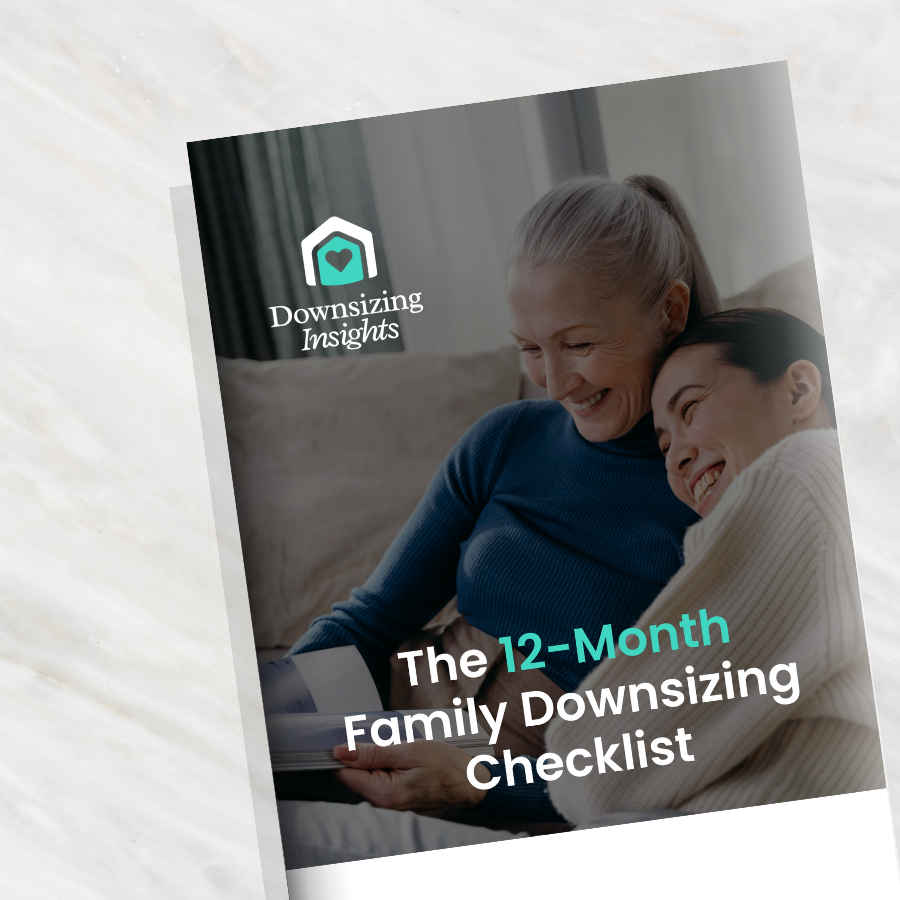
Take your next step forward
You've learned the essentials. Now get the tools to move with confidence and clarity.
.jpg)